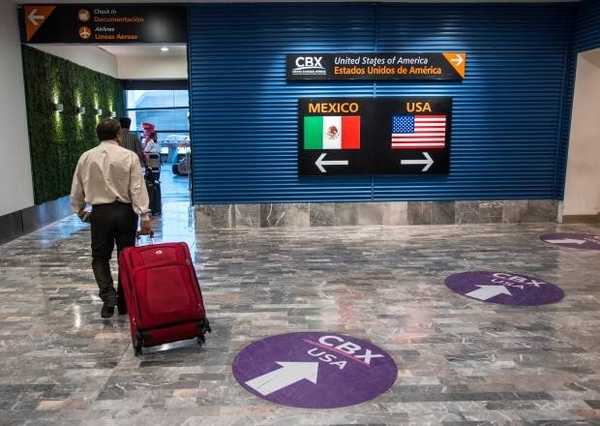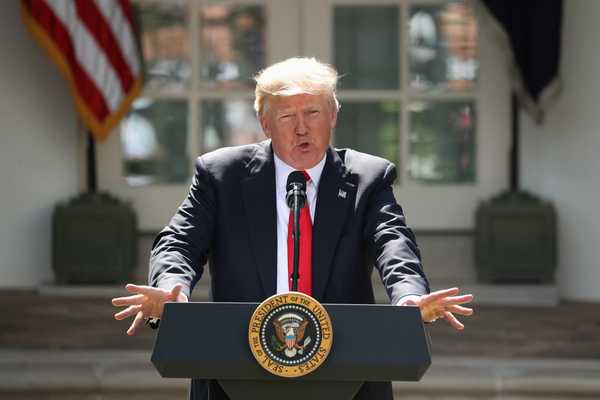
Tensions between President Trump and Mexico have escalated slightly with The United States devoting more attention to immigration, and Trump's hopeful border wall. Mexican President Enrique Pena Nieto delivered a fiery address on national television, reassuring his country that he does not plan on allowing Mexico to pay for the wall, and demands that America respects migrants. Pena Nieto also canceled a scheduled trip to the United States on Thursday.
Trump has flirted with the idea of getting The United States to front the money for the wall first, but then get reimbursed by Mexican funds some way. Paul Ryan expressed interest for Congress to carry out those plans.
In order get the funds from Mexico, White House Press Secretary Sean Spicer notified the press on Air Force One that President Trump is considering a 20 percent tariff on goods coming from Mexico:
“When you look at the plan that’s taking shape now, using comprehensive tax reform as a means to tax imports from countries that we have a trade deficit from, like Mexico. If you tax that $50 billion at 20 percent of imports – which is, by the way, a practice that 160 other countries do – right now our country’s policy is to tax exports and let imports flow freely in, which is ridiculous. By doing it that we can do $10 billion a year and easily pay for the wall just through that mechanism alone. That’s really going to provide the funding.”The tariff wouldn't help anyone.
Here's what Trump's team is trying to accomplish with this protectionist policy. First, they're trying some way to get Mexico to pay for the wall. Second, they want the increased prices from the tariff, to "bring back the jobs" lost to free trade.
A few problems come from this implication. Trump assumes that we can bring jobs back by taxing other countries' goods. Wrong. Our biggest job "killer" isn't China or Mexico, it's automation. Robots making our goods is a product of the free market, people invested in better technology so that we can produce goods at a higher, quicker, and cheaper rate. This raises the standard of living for all consumers.
Increased prices as a result of the tariff will force Americans to either buy fewer products overseas (which decreases their revenue, which decreases the amount that people overseas buy from us) or substitute it with expensive goods made at home, which might not always be the optimal choice for that consumer.
Overall, Trump's got some serious beef with Mexico. I'm not a fan of the wall, but if he wants to build it, he ought to find a more effective way to fund it, and when he does, it better not hurt the already struggling American consumer.