



Happy October Brandeisians!
As mid-October rolls around, Lower Green gets more crowded, Louis' gets more business, and Thirsty Thursdays become quite infrequent...that's right, it's about to be midterm season! Students will start to occupy their library study spaces, start choosing takeout over sit-down meals (more time to study, duh), and tone down the weekday partying. Here are 16 tips for how to ace your midterms this semester.
1. Buy a planner (and use it!).
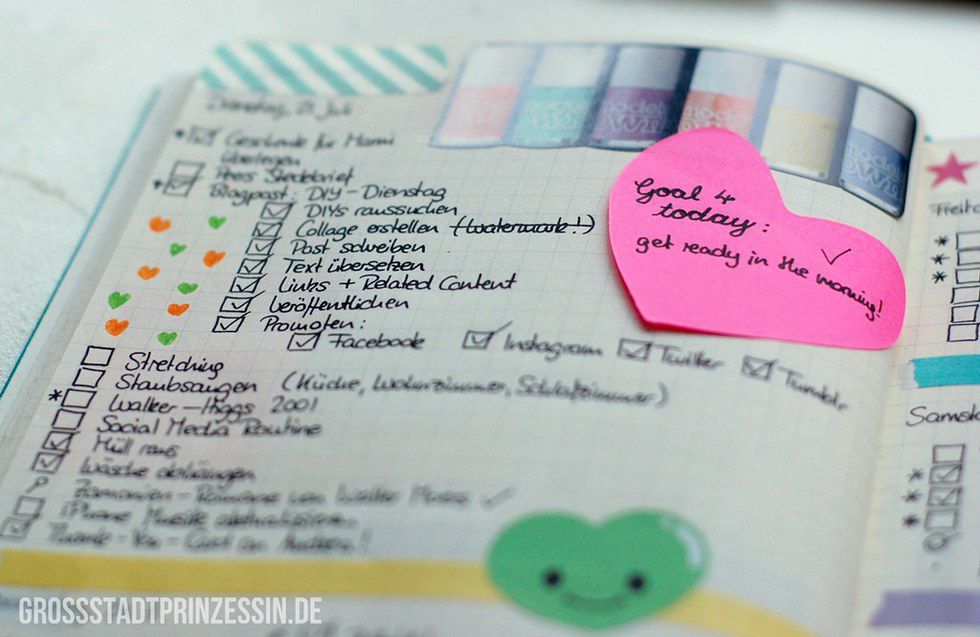
In a battle as old as the Federalists vs. the Anti-Federalists, this midterm season, Team Google Calendar will fight Team Academic Planner for scheduling supremacy. No matter whose side you're on, make sure you find a way to keep track of your time. Writing down when to study, exercise, and catch your favorite TV shows is essential. In a similar vein...
2. Establish a routine.
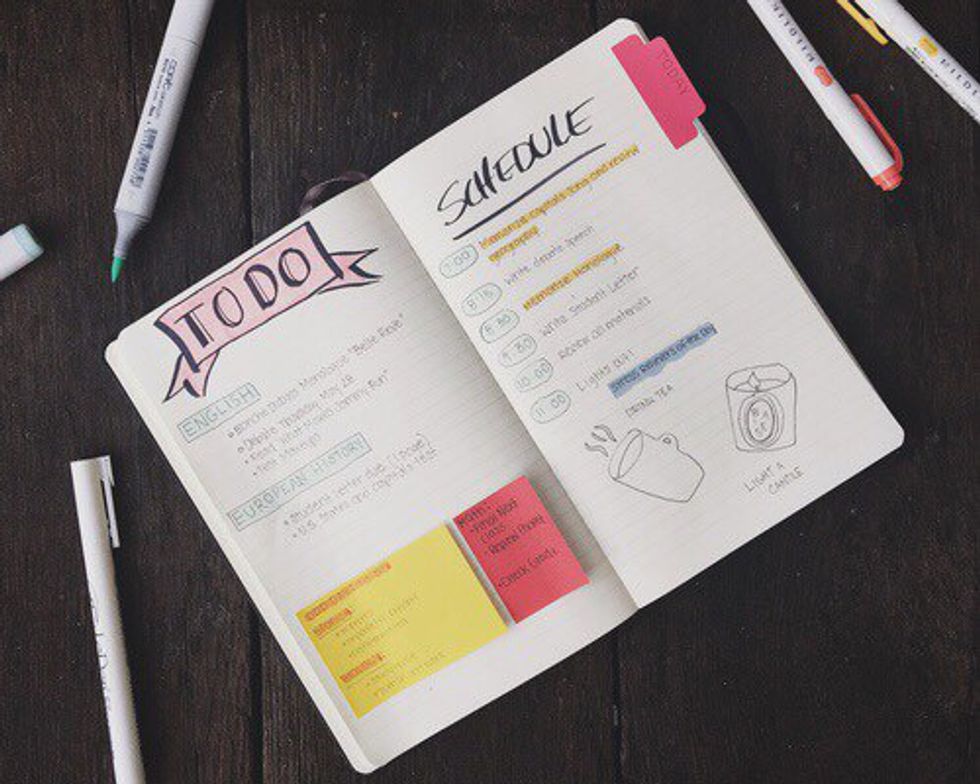
No matter where you study, you're more likely to get work done if you block out set times each week to work on your assignments. Grab your planner and a danish, settle in at your desk, and get highlighting.
3. Write down when things are due.

Knowing when things are due means two things. The first is that you can study/finish assignments early. This gives you extra time to ask questions/get feedback from your professors, and this will allow you to take your exams/hand in your assignments confidently. The second advantage of knowing your deadlines? You can start your paper the night before it's due if you know it's due on Thursday. As they say, there are two kinds of people.
4. Send your papers to your professors and/or TAs in advance.

You know how sometimes you get comments on a paper that make you think, "Oh, I totally didn't consider that!" Or, "If I'd included that line of argument, this paragraph I wrote at 3 a.m. would have made way more sense." Professors and TAs can--and if asked, will--provide this feedback in advance! This is basically a surefire way to produce a higher-quality project that will get a better grade. If you can get your life together in time to send in your essay and make edits, this strategy should serve you well.
5. Go to discussion sections and office hours, preferably with questions.

Even if you don't have any questions, just hearing other people's questions might spark a train of thought or idea that will earn you an A on your midterm project. Going to office hours and having broad discussions about your course can help you get a sense of what topics are most important. Sneaky, eh?
6. Get to the gym!
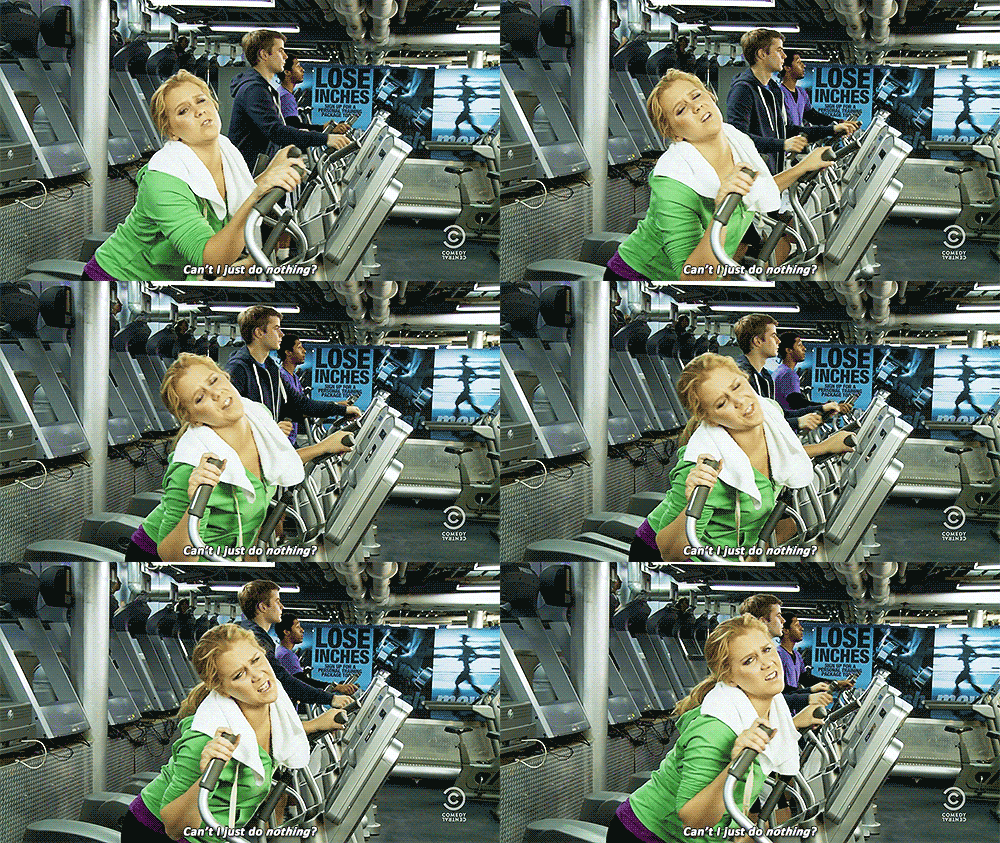
What's worse than studying for two minutes? Definitely planking for two minutes. Or biking for two minutes. Or really doing any physical activity for two minutes. Force yourself to head to the gym, and you'll prove to yourself that you have the willpower you need to get started on your work.
7. Get out of the library.
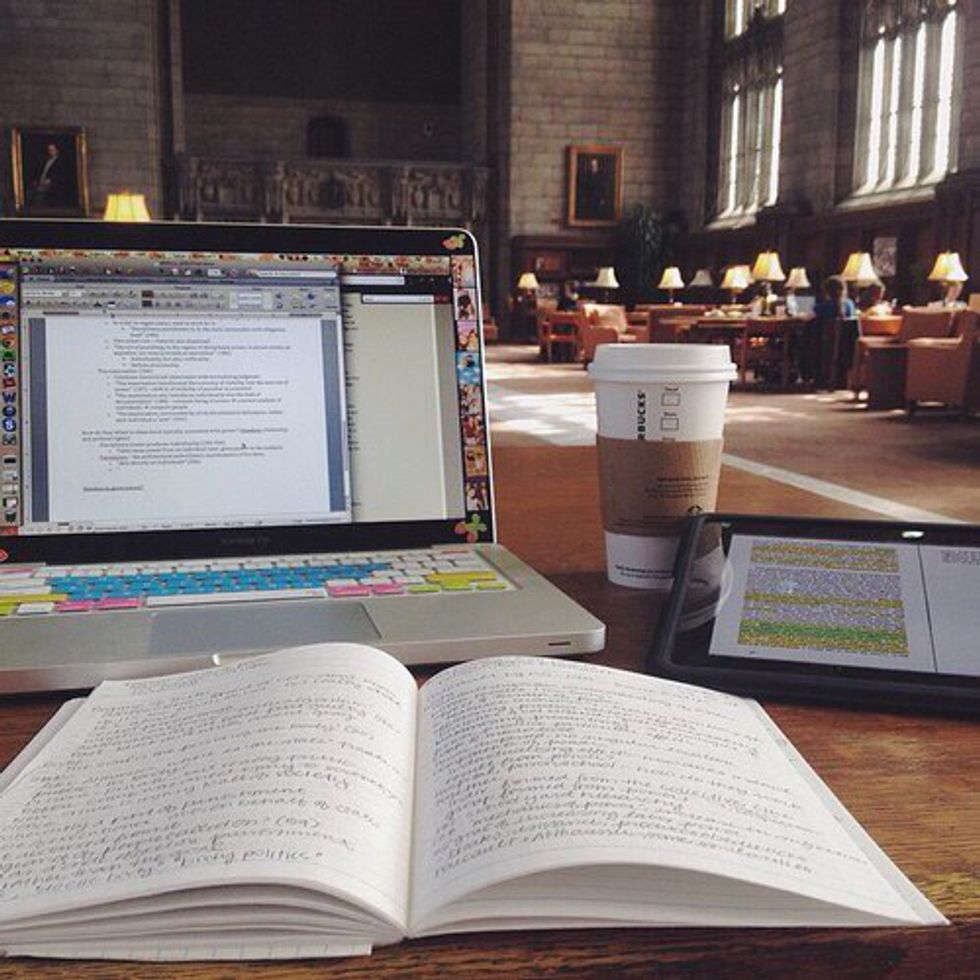
If the library walls have started to drive you insane, it's time to seek out new study spaces. Heller and Mandel offer big windows and comfy chairs. The SCC offers proximity to bagels, and your local neighborhood lounge is always a solid bet.
8. Use the building block method to break up things that stress you out.

Remember when you were little, and you used those super-'90s toy bricks to build towers and things? This strategy follows the same principle, assuming that your academic goals are made of smaller topics that build to become full-fledged courses. If you have an exam or paper that's particularly stressful, break it up into sections. Tackle one of these sections each day, until your project is done and your tower is built!
9. Make your technology work for you.

There is truly an app for everything. There are apps, like SelfControl, that will block distracting websites (think Facebook, Youtube, CNN and Pinterest) for a certain length of time. This way, even if you wanted to procrastinate, you wouldn't have the chance. Other apps like Time Out Free run on the Pomodoro system and will periodically shut down your computer for mandatory study breaks. The idea behind these apps is that if your schedule breaks, you'll end up using your remaining study time more efficiently.
10. Make peer pressure work for you.
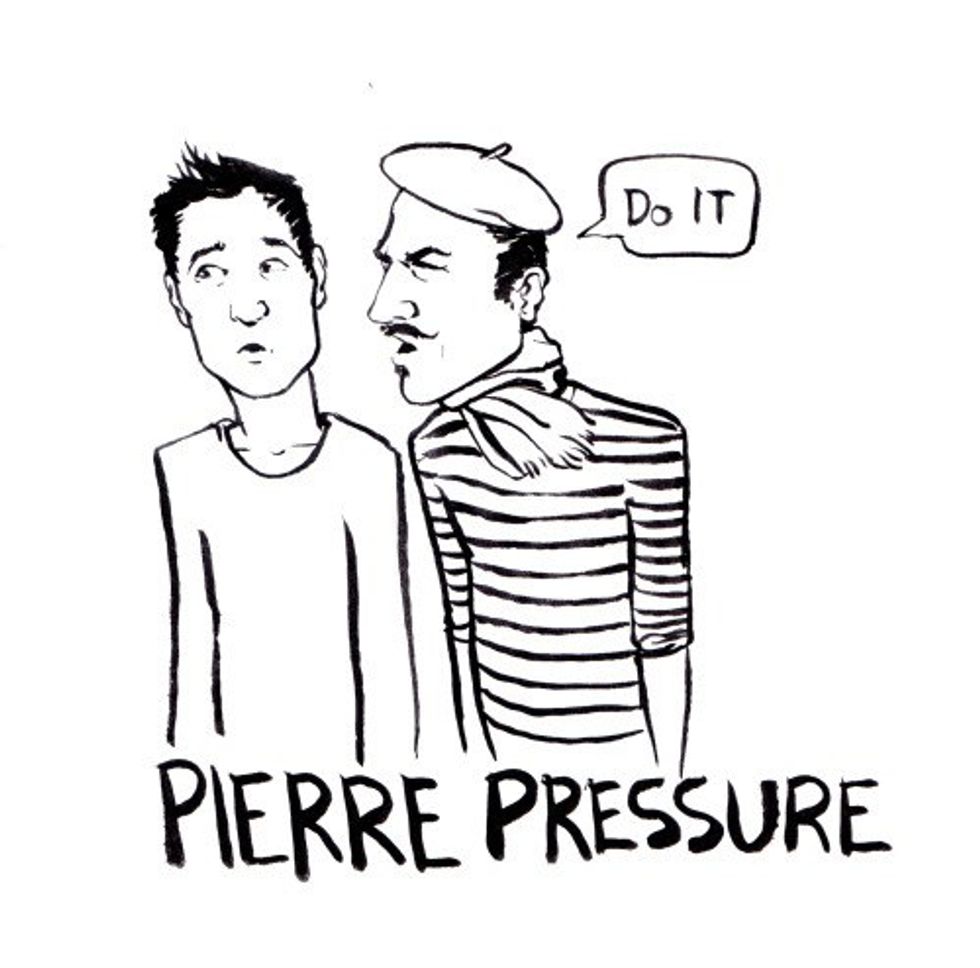
Sometimes all it takes to make you start a project is being in the company of other more responsible people. Set a study date with other people in your class, with friends, or with someone you'd like to actually date. The atmosphere surrounding you should be enough to get the gears in your head turning.
11. Use what you already know.

To remember theories, apply them to things you think are cool. How would Locke's social contract apply to District 13 in "The Hunger Games"? How does microeconomic theory complicate Trump's economic policy? To remember famous historical figures, find their modern equivalents; was Golda Meir more like Neo (from "The Matrix"), or Michelle Obama?
12. Never underestimate the power of a 10-minute dance party.

Breaks are so important--as incentive to work harder, as ways to keep your stress levels low, and as methods to keep your energy up as you work through even your driest courses. Bonus: throwing your hands in the air like you don't care has been shown to actually reduce how much you care. So go ahead and dance your way to a stress-free semester!
13. Keep going to class. Alternatively, start going to class (if you haven't yet.)

Even at the best of times, life and a burning need for naps can get in the way of class attendance. There's a good chance that your exams and papers will stress what's covered in class, so going to class is typically a reliable way to set yourself up for success. Exceptions include courses with more than five words in their titles and courses you'll totally go to office hours for instead.
14. Know what you want to accomplish.

Setting goals for each of your study sessions is a great way to keep you on track. If you aim to write half of your essay, and you only get 1/3rd of it done, that's an important difference that you need to be aware of and factor into your future study schedule. Finishing projects is always great, but if you set defined study benchmarks, you'll get the added bonus: feeling like you achieved a clearly defined goal.
15. Figure out what motivates you.

If you're doing didactic tasks like problem sets or data-crunching, it might take a simple reward--like a cookie or an episode of "Gilmore Girls"--to make what you're doing feel worthwhile. If you're doing more analysis-based or creative work, try to find a deeper reason why your work is worth the effort. Maybe it's building up to your career, maybe the pursuit of subject X is important to you personally, or maybe you want to tackle this boring subject just to show that you can.
16. When all else fails, COFFEE.

Coffee believes in you. Coffee knows you can ace your midterms, and will be there to help you try. Now go forth and make coffee proud. Good luck!















