

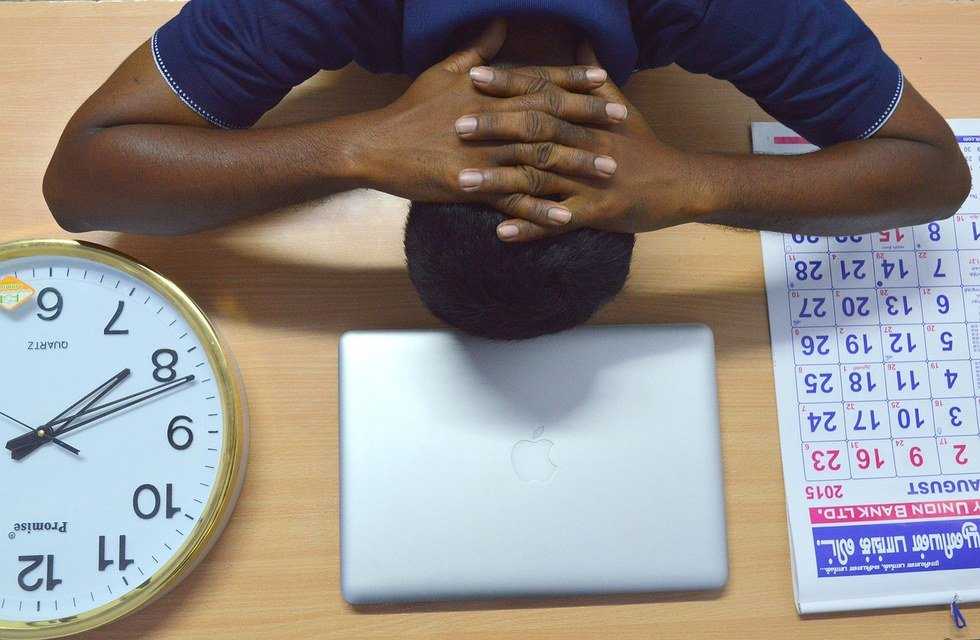
Ask a college student how they are doing on any given day. They will most likely say, “stressed,”
“overwhelmed,” or “pretty close to a mental breakdown.” It’s no secret that attending college is one of the scariest times for a person in their life. Going to school full time, working a part-time or full-time job, being involved on campus, and finding time to relax seems almost impossible. It should be impossible, however thousands of students do it every year. So how do you make time for yourself when so many other things demand attention?
Contrary to common belief, students have more free time than they like to believe. The average college student has the following time commitments each week (which has 168 hours):
- About 15 hours of in-classroom time.
- About 20 hours working at a part-time job.
- About 30 hours of studying/readings/assignments outside class.
- About 10 hours of eating/drinking.
- About 3 hours of extracurricular/campus activities.
- About 50 hours of sleeping.
This totals the average amount of time used up each week to 128 hours. That means that most college students have about 40 hours a week of spare time. While this number fluctuates on a person by person basis, it makes sense, right? People constantly complain about how busy they are, how they never get time to relax, and how their social lives are nonexistent. However, if you learn time-management skills, you can see that those 40 hours of free time can be utilized to the best of your ability.

1. Your planner should be your lifeline.
I know this seems like a basic answer, but if you fully utilize a planner, your time-management skills will be top notch. Even though most college students have a planner, not many of them know how to properly use it. This includes using different colors for events, assignments, exams, due dates, and fun things. It helps your brain recognize what needs the most attention each day. Make sure your planner has lots of space for each day in order to schedule your time out more efficiently.
2. Make lists and make a lot of them.
Keep a notebook of just lists to make. This could be anything that demands attention in your life, such as financing, assignments, family obligations, time to request off at work--the list goes on and on (get it?). Writing out your responsibilities and things that need attention helps you remember what it is that you need to focus on. Plus, crossing things off those lists feels pretty great at the end of the day.
3. Break down each day by the hour.
If you plan your entire day the night before, chances are you will have less chaos. This includes writing in Netflix time, meal times, and when to go to bed. Following a set schedule will make you feel more in control of the day, and will help to avoid mental breakdowns. By keeping an organized hourly schedule, you are more likely to accomplish everything in that day, and feel proud of yourself at the end of the day.
4. Keep to a set schedule.
Going along with #3, once you make a schedule, keep to it! If you need to add in a few things last minute, it's okay. Just make sure to accommodate the rest of your daily activities to avoid overwhelming yourself. By knowing exactly what you are going to be doing ahead of time, you will feel more in control of your day.
5. Don’t over-schedule yourself.
Some of us have a problem saying "yes" to every single thing. College is a time to be selfish and focus on everything that you need, not what your friends, family, and co-workers need. If you have a huge philosophy paper due on Wednesday, don't pick up that extra shift on Tuesday night. Over-scheduling will lead to unnecessary over-stressing.
6. Set reasonable expectations for to-do lists.
You're not Superman or Wonder Woman. If you have eight hours of class followed by a six-hour shift, chances are you will not have time to clean your bedroom, go to the gym, make dinner, and start your paper that is due next week. You can only do your best, and nothing more than that. Logically make your daily to-do list so that you don't feel bad about leaving items untouched.
7. Take each day as it comes.
Sure, it's important to plan ahead of time for big events and projects, but most days should not be crazy overwhelming. Don't obsess over your semester project that is due in 10 weeks. Stop stressing about that oil change that you don't have the time or money to take care of right away. Worry about each day as it comes to you. If you are planning your projects and time well, you won't have any reason to have anxiety about the future because you're already prepared for it!
8. Take “me-time” every single day.
You shouldn't have mind-draining activities for 24 hours of the day. That leads to a very unhappy and unsatisfying life. Make sure that for at least one hour every day, you are taking time to relax and unwind. That could be simply laying in bed listening to music, taking a nap, or even eating dinner with friends. Taking time to yourself will make you appreciate all the hard work you have accomplished in that day. Reward yourself for beating procrastination!
9. Don’t pull all-nighters.
Unless it is absolutely necessary, all-nighters are the dumbest thing you could do to your body. If you are wired on caffeine, staring at a computer screen for seven hours, and not allowing yourself to take breaks, your work is going to be subpar. it's much more effective to space out assignments and studying time for several days (sometimes weeks) ahead of time in order to retain the information and do high-quality work. Plus, your sleep schedule and physiology will be messed up for a few days after an all-nighter, which is awful to deal with during a three hour lecture or even just when speaking to other humans.
10. Remind yourself of the positive reasons why you are so busy.
You are constantly overwhelmed and busy, but why? Any time you feel unrecognized for your hard work or lacking motivation, write down (in a list) the reasons that you are doing the things that cause you the most stress. For example:
I am a full-time student to graduate in a decent amount of time and enter the workforce so that I can have money of my own and support myself.
I work 30 hours a week so that I can pay my bills stress-free an have some extra spending money to have fun.
I am doing this unpaid internship to build my resume for my future interviews upon graduation.
Making lists like this will help you feel grateful for all of your hard work and help you to keep pressing forward! You are in college for a short time, and making the most of it will help you feel accomplished upon graduation. As long as you take control of your life and utilize time-management skills, college will be one of the best, most rewarding experiences in your life.