

According to NPR South America correspondent Lourdes Garcia-Navarro, “[Zika] is even more of a concern than Ebola virus in certain ways.” With this dangerous virus making its way into the United States, it is now more important than ever to be educated on global health issues. This disease is such a concern because of its effect on pregnancies and the unborn children of infected mothers. As millennials start having families, knowledge is truly power in protecting yourself, and your loved ones, from Zika.
1. Zika is in the United States.
Piggy-backing on victims, Zika has made its way from Latin and South America into Texas, Florida and Alabama.
2. Zika is not a deadly disease.
The symptoms of Zika are only present in one fifth of those infected, and when it does attack, the symptoms are minor, lasting no more than a week.
3. Zika likes to hide.
What makes it troublesome is not knowing you’ve been infected. Symptoms are crucial in diagnosing any condition. Without feeling sick, people don’t go to the doctor, and without proper blood tests, there is really no way to know Zika is present.
4. Mosquitos spread Zika.
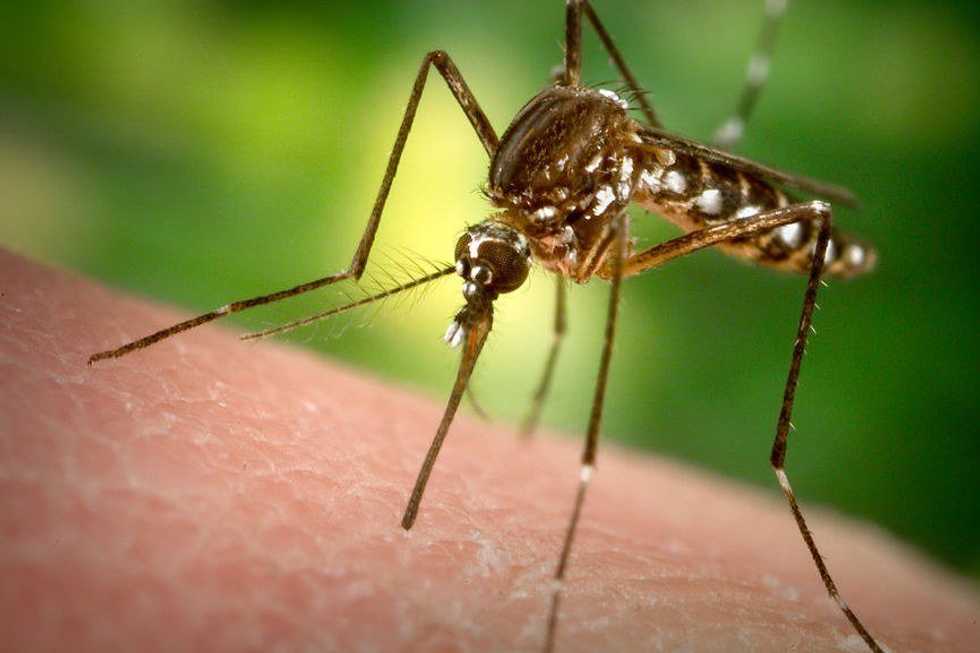
As a blood-borne pathogen, any mosquito can transmit Zika from one victim, to an entire family of four in less than a minute. This poses a threat to anyone living in an area with mosquitos.
5. Zika can be sexually transmitted.
Once the infection was spread to Florida, it was discovered that it was transmitted sexually to the infected Polk County resident. This makes the possibility of contracting the disease more likely in areas where mosquitos don’t normally inhabit.
6. Zika causes Microcephaly in infants.
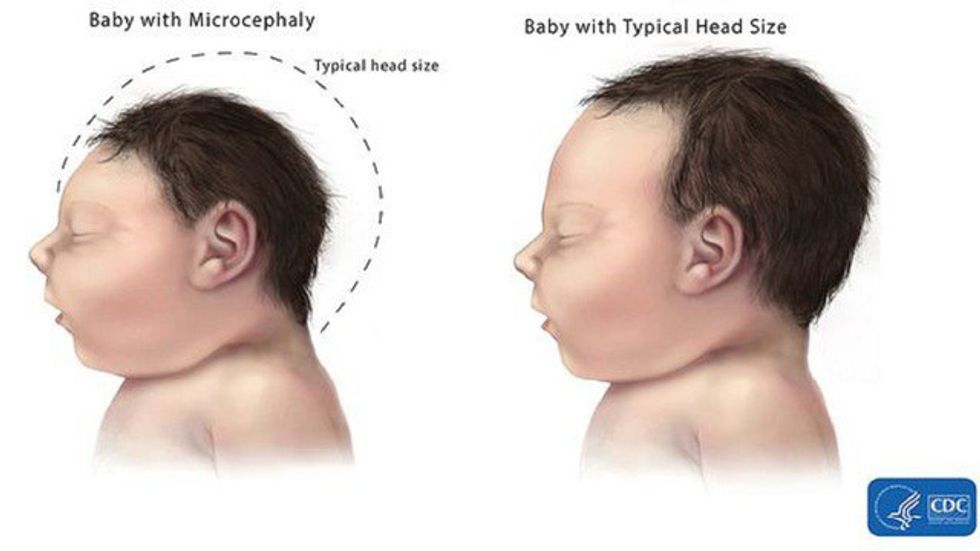
While in the first trimester, a mother infected with Zika could potentially pass a strand of the infection to the fetus, causing microcephaly in some cases. Microcephaly is the condition of being born with a small head. The infants are born with normal sized features on a smaller head, that grows at a slower rate than the rest of their bodies. The link has been discovered in Brazil and others throughout Latin America.
7. Zika lives in victims after symptoms pass.
The virus has been found in a previously infected man’s sperm nine weeks after symptoms began. Further enforcing the possibility of contracting Zika sexually, and providing a higher chance of microcephalic infants born from infected sperm.
8. Zika is Manmade.
In 1947, Zika was developed from a strand of yellow fever in an attempt to find a cure for the disease devastating Africa at the time. Researchers developed Zika and then infected monkeys in the Zika forest of Uganda. Once mosquitos bit the infected monkeys, the disease began its world tour, infecting the first human in 1952 in Uganda.
9. There is no cure and no vaccine.
As over four million people deal with the Zika virus, researchers in Brazil and the CDC are working tirelessly, with the help of the World Health Organization, to find a cure, and develop a vaccine for this harmful virus.
10. There is slim to no chance of an Outbreak in The United States
While you should take care to avoid areas where Zika is common, and stay cautious about pregnancy risks. There is a minuscule chance that Zika will become a major epidemic in the United States. So keep bug spray ready, but don't close the bunkers just yet.
Sources:
http://www.who.int/emergencies/zika-virus/timeline...
http://www.mayoclinic.org/zika-virus/expert-answer...
http://www.al.com/news/index.ssf/2016/02/first_ala...
http://wfla.com/2016/03/09/floridas-1st-sexually-t...