The current Zika virus pandemic began in 2007, but over the past few months the virus became more than just a medical problem. It has since sparked theological discussions, become a rallying point for reproductive rights advocates, and entered into the world of politics and policy.
The Zika virus is a mosquito-spread virus that threatens unborn infants with the possibility of a incurable and often devastating birth defect called microcephaly, or an underdeveloped and abnormally small head and brain.
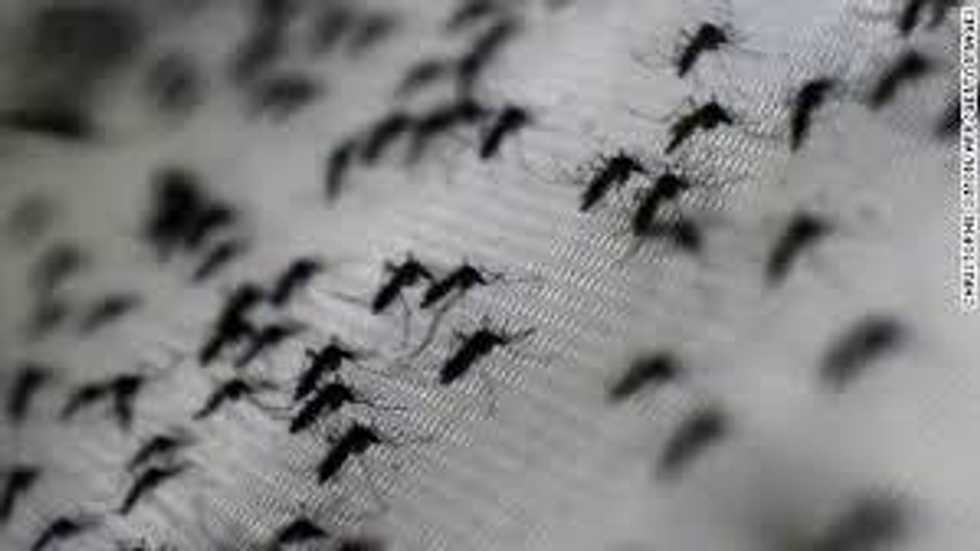
While there have been concerns about the virus spreading north, the virus is spread by the Aedes aegypti mosquito – a mosquito that thrives in tropical climates and only exists in small numbers in Texas, Florida and Hawaii, although health officials say it could potentially spread further north.
We don’t actually know how likely it is that a pregnant woman with Zika will give birth to a child with microcephaly. However, according to the Brazil Ministry of Health, an unusually high number of babies were born with microcephaly at the end of last year. While only some of these cases have been linked to Zika, authorities are still sifting through thousands of cases of microcephaly in order to understand this suspected link.
The South American countries most heavily affected have urged women to hold off getting pregnant. First Brazil, then Colombia, then El Salvador – some of which suggesting women wait at least 2 years before having a child. But these recommendations highlight a distinct problem that largely Catholic countries face – making contraception available and accessible to women.
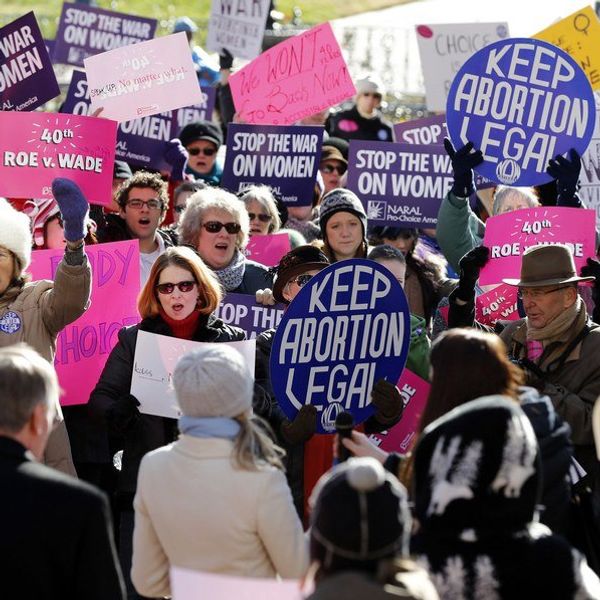
This profoundly ironic advice has enraged many, as most of the countries urging women to wait to have children have also outlawed or severely restricted contraceptives and abortion. Sexually active women of childbearing age living in Latin America now face a burdensome catch-22 – one that must be addressed swiftly to decrease the rising number of cases of microcephaly.
If women who contract Zika should not get pregnant, they need access to contraceptives and abortions. This is especially true due to the elusive nature of the virus – not only is Zika hard to detect, but there are often no obvious symptoms in individuals who contract the virus.
The United Nations has urged the countries most affected by the Zika virus to allow women access to contraception and abortion, and women’s health advocates have been calling on these countries to address the situation women and families now face.
This wouldn’t be the first time a viral epidemic changed the way a society felt about abortion and contraception. In the 1960’s the typically mild rubella virus caused a public health scare after being linked to deafness, mental disabilities, heart defects, and even death in babies who’s mothers became infected with rubella while pregnant.
As people began to see abortion as a medical decision instead of a moral one, people advocated for the right to abortion access and changed the way the U.S. discusses reproductive rights. Many believe that Zika may have a similar effect in countries where abortion is illegal, and access to contraceptives is limited or nonexistent.