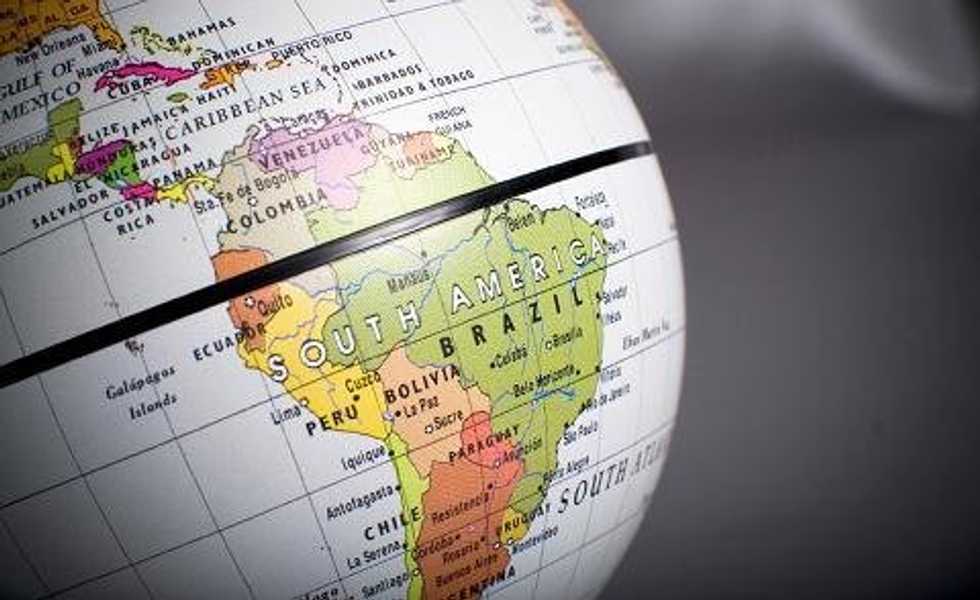
The Zika virus has been a big deal for the past few weeks, specifically in South America. The virus is described as being spread through mosquito bites, though the symptoms are usually mild and tend to last for only a week at the most. The issue with this virus is that it is negatively affecting pregnant women, specifically, the babies of those women. The virus has been known to cause microcephaly, which is when the baby is born with a smaller head than is expected. This becomes a problem because the child's brain does not fully develop, which can then be the cause of seizures, developmental delays, intellectual disability, feeding issues, hearing loss, and vision problems.
Due to the negative outcome of the Zika virus, countries in Latin America are attempting "to loosen some of the most restrictive abortion laws in the world." In El Salvador, abortion has been illegal, regardless of any situation or extenuating circumstances. However, the Washington Post reports that the health minister is beginning to argue for relaxed laws around this issue in order to avoid babies being born with microcephaly. Columbia and Brazil have movements in their countries to rid themselves of the strict abortion laws in light of the virus' affects.
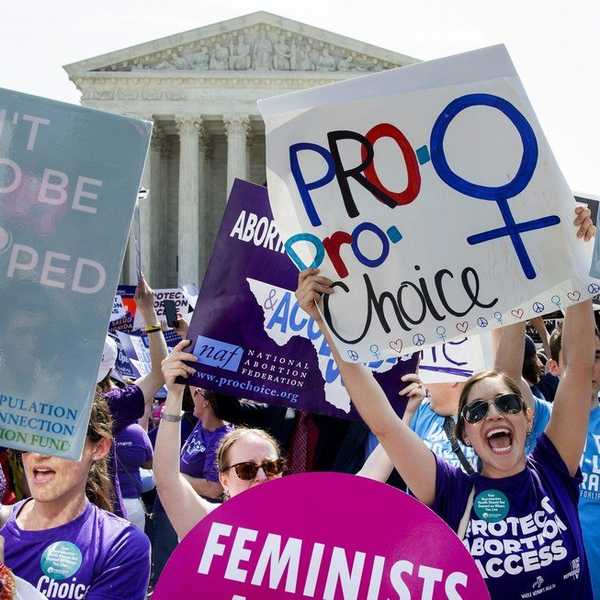
The problem with these efforts is the heavy presence that the Roman Catholic Church has in Latin America. It is widely known that "The Catholic Church has always condemned abortion as a grave evil." The pro-choice/pro-life debate in The United States is mainly pro-choice supporters versus Catholics, or pro-life supporters. The largest issue with this debate is the titles of those two groups. Pro-Choice begs one to believe that if one is not supportive of their efforts, then they do not support a woman's right to choose (which could be correct, but also could be false). The issue with the title Pro-Life is that it makes the assumption that if you do not support their efforts, then you are not a supporter of life itself. Of course, both of these titles must, in theory, be so harsh due to the importance and passion behind the cause and the debate.
Since the Roman Catholic Church condemns abortion, and they have such an intense presence in Latin America, the fight for looser abortion laws in light of the Zika virus will prove to be very difficult, especially compared to the debate in The United States. Zika changes the debate, because it is so easily spread (it was recently reported that it can now be spread through saliva). While some Latin American countries allow abortion in the cases of rape and incest, the urgency to have abortion readily available is detrimental in the case of this Zika virus. Due to the simple way that this virus spreads, and the likelihood of pregnant women catching it, pushes the citizens to strongly begin to consider the necessity of choice, of options. Many Latin American countries also do not have easy access to contraceptives, which makes the ability to control whether or not one gets pregnant in the first place extremely difficult.
Even if countries begin to allow abortions for specific viral exceptions, it would be "extremely difficult for doctors to detect such damage, even several months later, so granting women access to legal abortions based on an ultrasound diagnosis of microcephaly would do little to alleviate the risks of giving birth to a child with severe impairments." Due to this uncertainty, the fight for legalizing abortion completely is a passionate and important one.
It will be extremely interesting to follow these movements in Latin America, and see how they effect the ongoing debate in The United States.