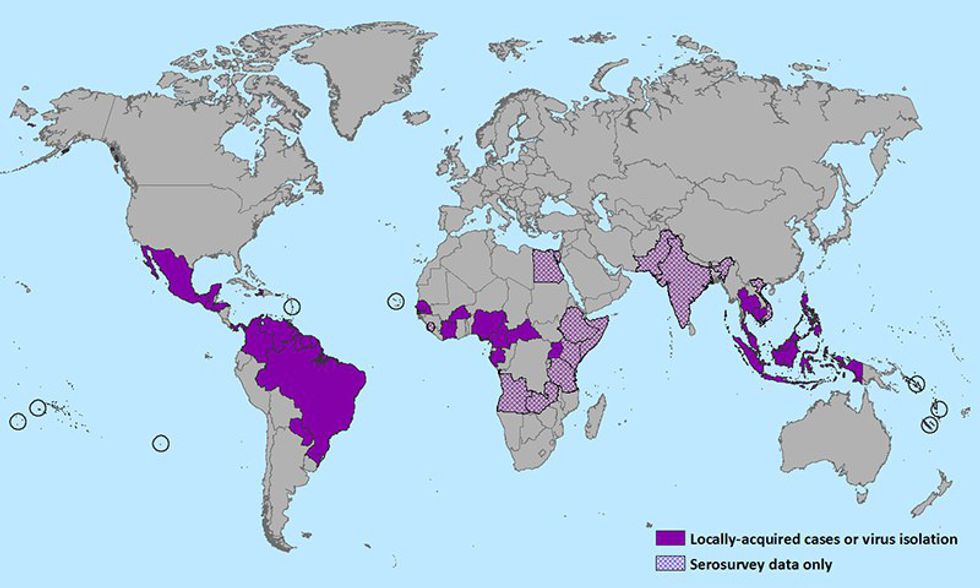

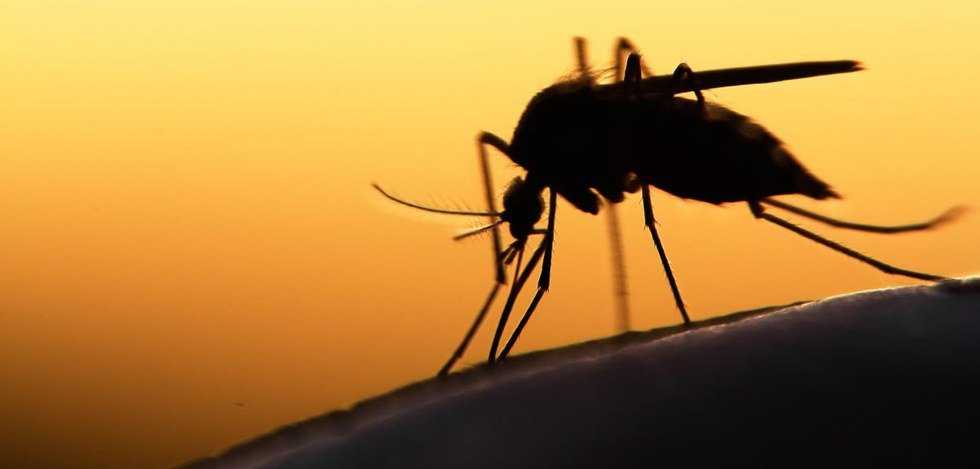
Zika virus is a tropical disease transmitted by Aedes mosquitos, which also transmit Dengue Fever and Chikungunya. Symptoms of Zika are mild in most people, and include a rash, headaches, fever and body aches which all show up between three and twelve days after the mosquito bite. The symptoms generally abate within a week with little to no complications in the majority of patients. Zika has historically been considered very rare and relatively benign, so little research has been done on it. The virus was first discovered in 1947 in the Zika forest of Uganda, but until recently only a small number of cases of human infection have been documented and these were largely isolated to Africa and Southeast Asia.
In 2014 the virus breached the western hemisphere, showing up in the Easter Islands and Brazil. Since its arrival, the number of cases of Zika have dramatically increased. Cases have been documented in Mexico, Venezuela, Colombia and ten other countries in central and South America, and the virus continues to spread with alarming efficacy. In 2015 health researchers estimated that more than 1 million cases of Zika virus presented in Brazil alone. Most worrisome though is the increased number of birth defects which seems to correspond to the Zika outbreak. Brazil typically sees a few hundred cases of microcephaly (a birth defect which causes an abnormally small head and other complications) each year, but in 2015, there were more than 3,000 documented cases.

On Dec. 1, the Pan American Health Organization (PAHO) issued a public statement urging people to be on the lookout for symptoms of the Zika virus. This was prompted both by the increase in Zika infections and by the corresponding increase in birth defects. According to the statement issued by PAHO there has been an increase in “congenital anomalies [namely, microcephaly], Guillain-Barré syndrome, and other neurological and autoimmune syndromes in areas where Zika virus is circulating”. While a causal relationship has yet to be established, the correlation between the birth defects, Guillain-Barré and Zika is strong enough that health officials are advocating an abundance of caution until more research can be done on Zika. Scott Weaver, an expert in mosquito-borne viral disease at The University of Texas Medical Branch at Galveston who has been tracking the Zika outbreak, recommends that pregnant women avoid traveling to places where the virus is circulating.
Health officials and the Center for Disease Control are predicting Zika will reach the mainland United States sometime this year. In the meantime, the scientific community is quickly working to learn more about Zika virus. Since the same mosquitos which carried Dengue Fever and West Nile virus to the United States are also carrying Zika, officials reason it is inevitable that Zika will reach the United States. They are working on establishing a treatment protocol and containment measures for when that does happen.