
perfect
adjective
ˈpərfikt/
- having all the required or desirable elements, qualities, or characteristics… [to be] completely free from faults or defects…
How many times have we heard “Oh my gosh stop, you’re perfect!” But have we ever stopped to think what kind of pressure that puts on ourselves and on those around us?
The phrase has come about as a common colloquial way of saying, “I admire you,” or “You’re wonderful,” or “Don’t worry about it.” It comes with the best of intentions, but it is imprecise and can be detrimental to people’s self esteem. People don’t fully understand the consequences of saying “You’re Perfect.”
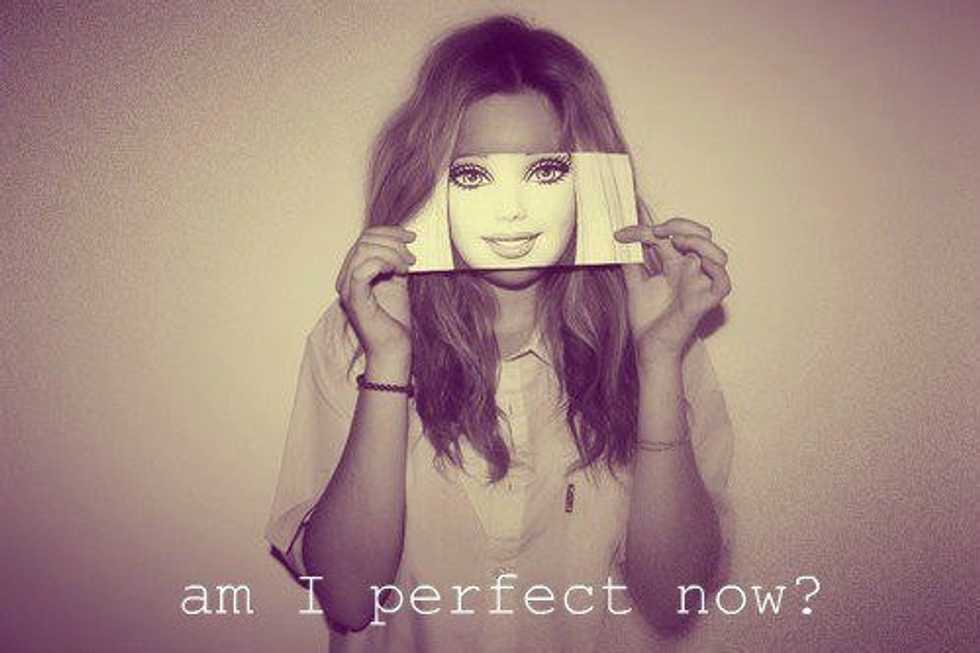
The pressures of perfection are already a huge generational struggle, and having your peers reinforce the idea that perfection is what to strive for, or is something that it isn’t, is feeding the fire. We are already bombarded with the media on how we should look and behave, but hearing others dictate perfection (and thereby blatantly pointing out who didn’t meet this mark) is a more personal blow.
This fodders the larger problem that has been fed to kids (girls specifically) since they were young. From an early age they see the box that they are expected to fit in – from the toys that they play with to the media that they are exposed to, and even to how they are treated by adults and the examples that are set by them.
The crazy thing is that it really does come from a place of love and appreciation. So instead of applying this pressure to those around you I invite you to be more specific when complimenting others and when talking generally, substitute with words like “wonderful.” Tell them how much you appreciate, admire, or love them or their choice – don’t hold them to an unattainable standard. It may be a hard habit to break but keep in mind, no one is perfect.