


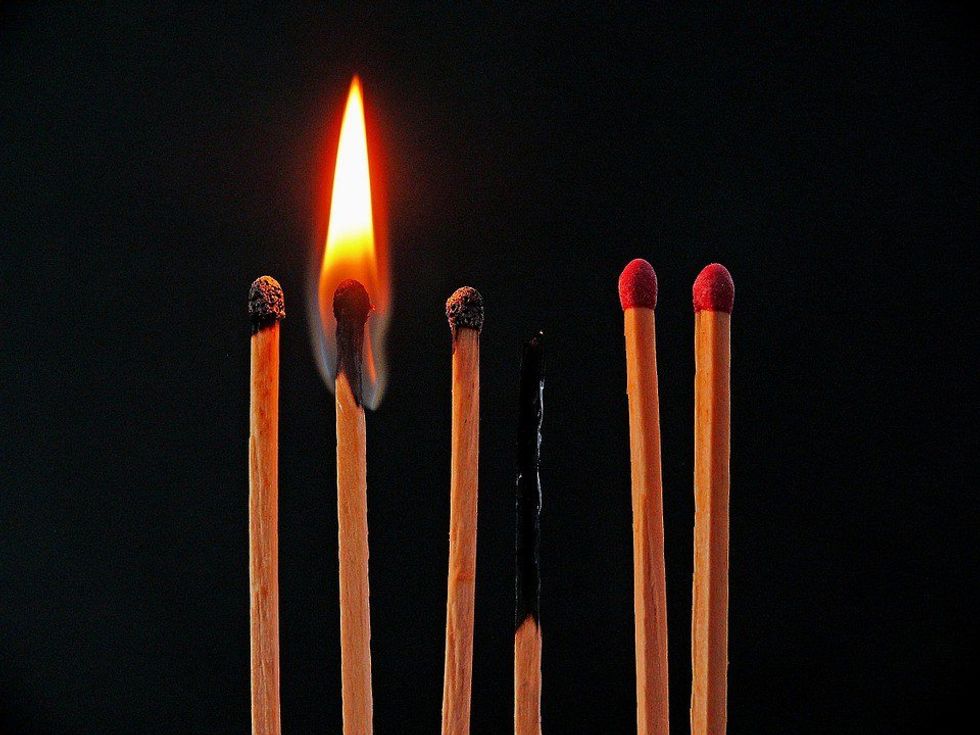
Burnout comes in three varieties: Overload, boredom and worn-out. The most typical of these for students, especially workaholic ones, is overload. Overload burnout is essentially working to the point of exhaustion, something which is extremely easy for a student. Especially if you're taking 18+ credits, in clubs, holding down a job, etcetera. We all need strategies to avoid burnout, so here are my tips (as a self-professed workaholic) to help avoid burn-out.
1. Budget time carefully

I'm not ashamed to say that not only do I put everything on my calendar (even when I'm planning to relax with friends), but I even color code it to keep me on track. This lets you see, realistically, how much of your time is spoken for and ensure you don't double-book. Yes, this is a great general time management tip, but it helps avoid burnout by giving you a visual of exactly how busy you are. If you have more than 40 hours booked a week, be careful about burnout. If you have more than 60, make sure you are actively fighting burnout. If you have more than 80 (which I've done), find something to drop before you burnout.
2. Savor time off

When you do have time where you don't have to be working, savor it. Focus on whatever it is you're doing that isn't work so that you don't start thinking about all the work you'll be doing later. I have specific days carved out for homework and, unless it is pressing, I don't do homework outside of that time. It keeps me from stressing over the homework I need to do until I'm doing it.
3. Recognize the early signs

Maybe you snapped because of something that normally wouldn't annoy you. Maybe you can't concentrate on something that you normally would be able to easily. Maybe you have no patience for people that normally you enjoy (or at least tolerate) being around. Or maybe you're just feeling less motivated to get out of bed than usual. These are all signs of burnout and flags that you should take some more time for yourself over the next few days or until they subside.
4. Find relaxing work to do

One of the big things I enjoy about writing here is that, although I do have deadlines to keep and quotas to meet, writing these articles is relaxing for me. I don't stress over what I'm going to write next, I ponder on it until I find an idea that I like or feel like I can write about within the time allowed. So find things like that: Activities that are productive but relaxing at the same time. Even just something as simple as cleaning can satisfy both workaholic urges and the need to relax.
5. Cycle tasks
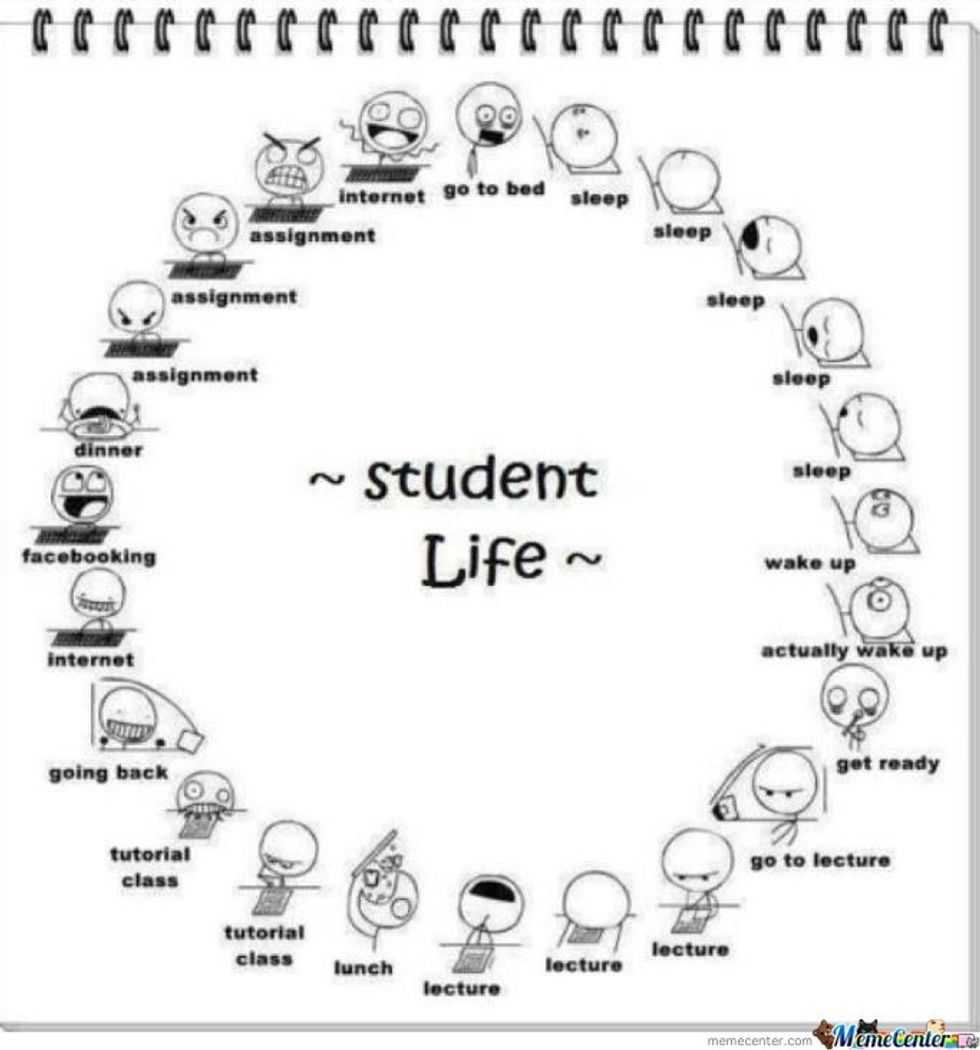
A lot of the homework I have to do is reading, but of very different material. So I take turns, a certain amount of time on one subject, change subjects, rinse and repeat until everything is done. It works similarly with any kind of homework. Let's say you have a lot of problems to do that involve math. I'd still cycle these every few problems to avoid getting too sick of the same material (and to develop better skills with all the material, but that's a different matter). The best is if you have active and passive homework (such as writing versus reading). Depending on which one you have more to do, start that one first then, after a certain amount of time or other objective milestone, switch to the other. Rinse and repeat.
6. Have a list of relaxing things you can do

You don't have to literally write this down, but you do want to have several options of things you can do to help relax in different timeframes. If I have an evening, a movie is great. If I have an hour, I might meditate or do something like that. A few minutes? I'll put on one of my favorite songs. Find relaxing things to fit your schedule. Even if you simply listen to music as you walk, I can't begin to stress how much that simple thing kept me from burning out in the past.













