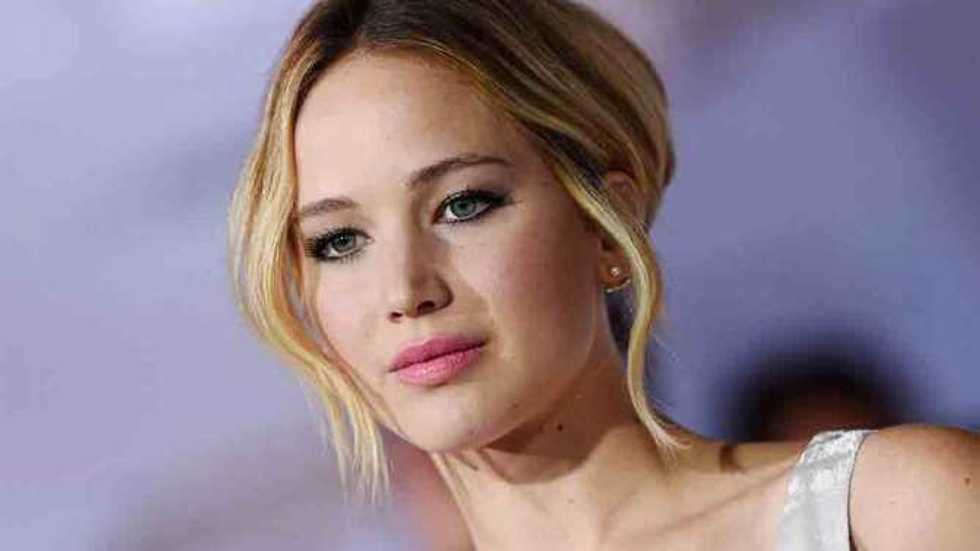
In 2014, Robert Downey, Jr. made $75 million, Dwayne Johnson made $52 million, and Oscar nominated Bradley Cooper made $46 million, according to Forbes. Jennifer Lawrence’s made $52 million, making her the highest paid actress of 2015, yet she is making only what the second highest paid actor made in 2014. It is important to note that Lawrence is an Academy Award winner.
This may be what prompted Lawrence to pen an opinion piece in Lena Dunham’s feminist newsletter, “Lenny.” In her article, Lawrence chastises herself for failing as a negotiator, saying, “…I gave up early. I didn’t want to keep fighting over millions of dollars that, frankly… I don’t need.” She goes on to add, “But, if I’m honest with myself, I would be lying if I didn’t say there was an element of wanting to be liked that influenced my decision to close the deal without a real fight. I didn’t want to seem ‘difficult’ or ‘spoiled.’”
Lawrence ends her article by calling out a Sony producer who, in a leaked e-mail, referred to an actress in negotiations (Angelina Jolie) as a “spoiled brat.” Lawrence writes, “For some reason, I just can’t picture someone saying that about a man.”
This comes just two weeks after the Equal Employment Opportunity Commission launched an investigation into gender discrimination in Hollywood, specifically, the film and television industries.
The EEOC has begun contacting female directors, requesting interviews “so that we may learn more about the gender-related issues you are facing in both the film and television industries,” according to The LA Times. The investigation was prompted by a request from the American Civil Liberties Union in May. According to the Times, the ACLU cited “a USC study that found that only 1 percent of directors of the top-grossing 100 films of 2013 and 2014 were women.”
According to The Hollywood Reporter, more than 30 women in the entertainment industry have spoken to the EEOC so far. Director and screenwriter Maria Giese says, “Traditionally, the problem has been that women are scared of getting blacklisted. But now, it can be totally anonymous, which makes it a whole new landscape. More women are becoming emboldened to go in.”
"The issue of gender equality in Hollywood is a lot more complicated than it seems. Sexism is an unfortunate aspect of every industry and should always be decried and judged accordingly," says Dr. Jerod Hollyfield, an English and film professor at Western Kentucky University. "Often the idea is framed as a vaguely defined lack of female filmmakers, which doesn't differentiate between people like director Sofia Coppola, former head of Sony Amy Pascal, Annapurna founder Megan Ellison (who is undeniably the strongest force in American indie film today), showrunner Shonda Rhimes, and below the line crew who are women."
"As an educator, I sometimes worry an unintentional effect of this kind of talk is that women interested in film may choose another field because culture tells them the film industry is hostile to women and they won't find any work where they are treated fairly," he argues.
With the fourth wave of feminism on the rise, the EEOC’s investigation, and now Jennifer Lawrence’s call out of the wage gap, many future (and current) filmmakers are optimistic that Hollywood (and the film and TV industries), no matter what stance you take, is on its way to becoming a much more level playing field.