We live in a culture where being tan is seen as a necessity. People spend hundreds of dollars on tanning beds every year. However, individuals tend only to buy sunscreen starting in May and lasting until September. The number of people with skin cancer has outnumbered those with all other cancers combined for the last three decades.
So, you can get skin cancer. What’s the big deal? If you have ever known anyone with skin cancer, you would know what the big deal is. There are many different forms, such as actinic keratosis, dysplastic nevi, or melanoma. Some can be treated when caught early enough with a removal involving cutting and sometimes liquid nitrogen which freezes the growth. Some skin cancer may also be treated with topical medications, laser surgery, or a combination of the above. Some are not treatable at all and can lead to death.
“It’s easily treatable. What's the problem?” False. Skin cancer, even when caught early, is not easily treatable. It comes with the removal process, followed by weekly, monthly, bi-yearly, and yearly check-ups until you are considered cancer-free. These can go on for years and years. These doctor visits add up and insurance, depending on your policy, only pays for a certain percentage of it. It is also more likely that you will get skin cancer again once you have had it once.
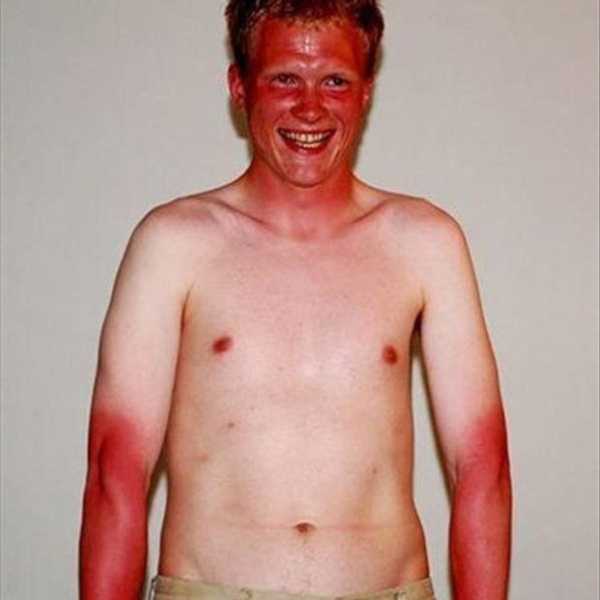
Sunscreen is often seen as a nuisance, something your mother nags you about until you apply a tiny amount for the hours you spend in the sun. It is also seen as something only children, or pale-skinned people need to use. However, according to the American Academy of Dermatology, all skin colors and ages can get skin cancer, many of which could have been prevented if only the individual would have taken the time to apply sunscreen correctly.
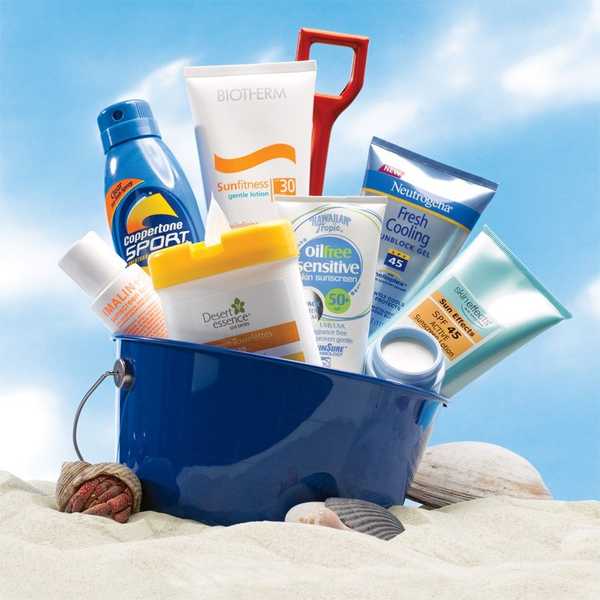
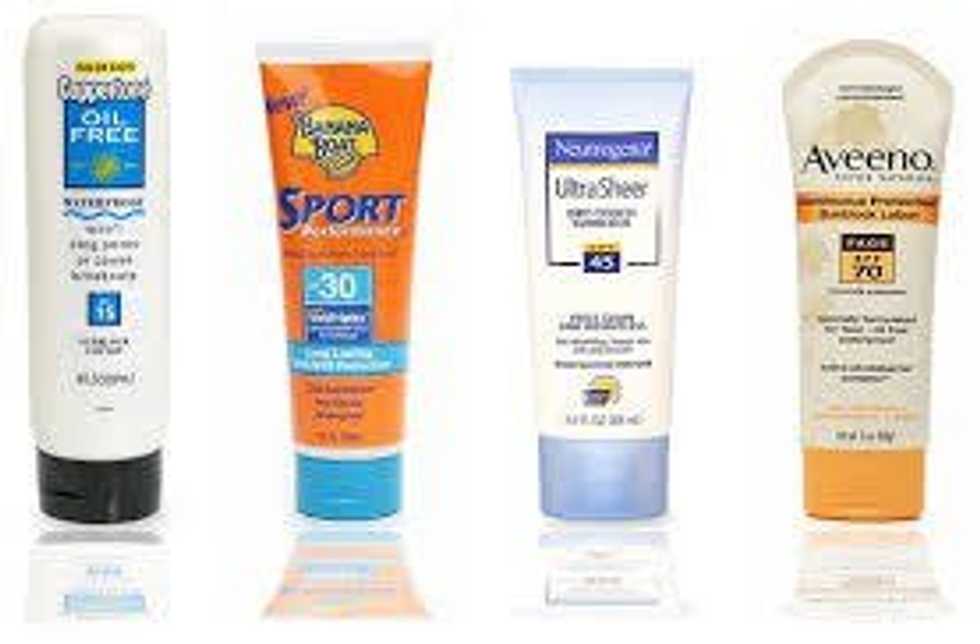
Please, before you step out into the sun, no matter what time of year it is, take the time to put sunscreen on properly. Put sunscreen on any part of the body that may receive exposure to the sun; ears, scalp, and feet are especially susceptible to sunburns. Look for a sunscreen that offers a broad-spectrum protection that protects against UVA and UVB rays, has a sun protection factor (SPF) of 30 or greater, and is water resistant. Be sure to re-apply the sunscreen every two hours.
Even on cloudy days, you can still get a burn. The sun’s strongest rays are between 10 a.m. and 2 p.m. If you are outside during that time, seek shade as often as possible. Also, use extra caution near water, snow, and sand. These elements reflect the sun’s rays, which can increase your chance of getting a burn. Avoid tanning beds at all cost. The ultraviolet light from the sun and tanning beds can cause skin cancer and early wrinkling. Also prevent skin cancer by regularly (at least once a year) checking your skin for anything changing, growing, or even bleeding. See a dermatologist if anything seems out the ordinary. As stated earlier, skin cancer may be treatable when caught early enough.
Cancer is scary, but skin cancer is preventable. Take the time to educate yourself on how to prevent a costly and deadly form of skin cancer.