As the 2016 election moves ahead at full steam, candidates from both parties are vying to gain state delegates in the hopes of becoming the general election nominee. In each state (and in some US territories), the Democratic and Republican parties hold either primaries or caucuses, which allow voters to support the candidate of their choosing. Then, at the separate conventions for the political parties, they will officially decide who will be representing them in the quest for the presidency. You would think voting means that it is one hundred percent up to the voters to decide who wins and who loses. You'd be wrong.
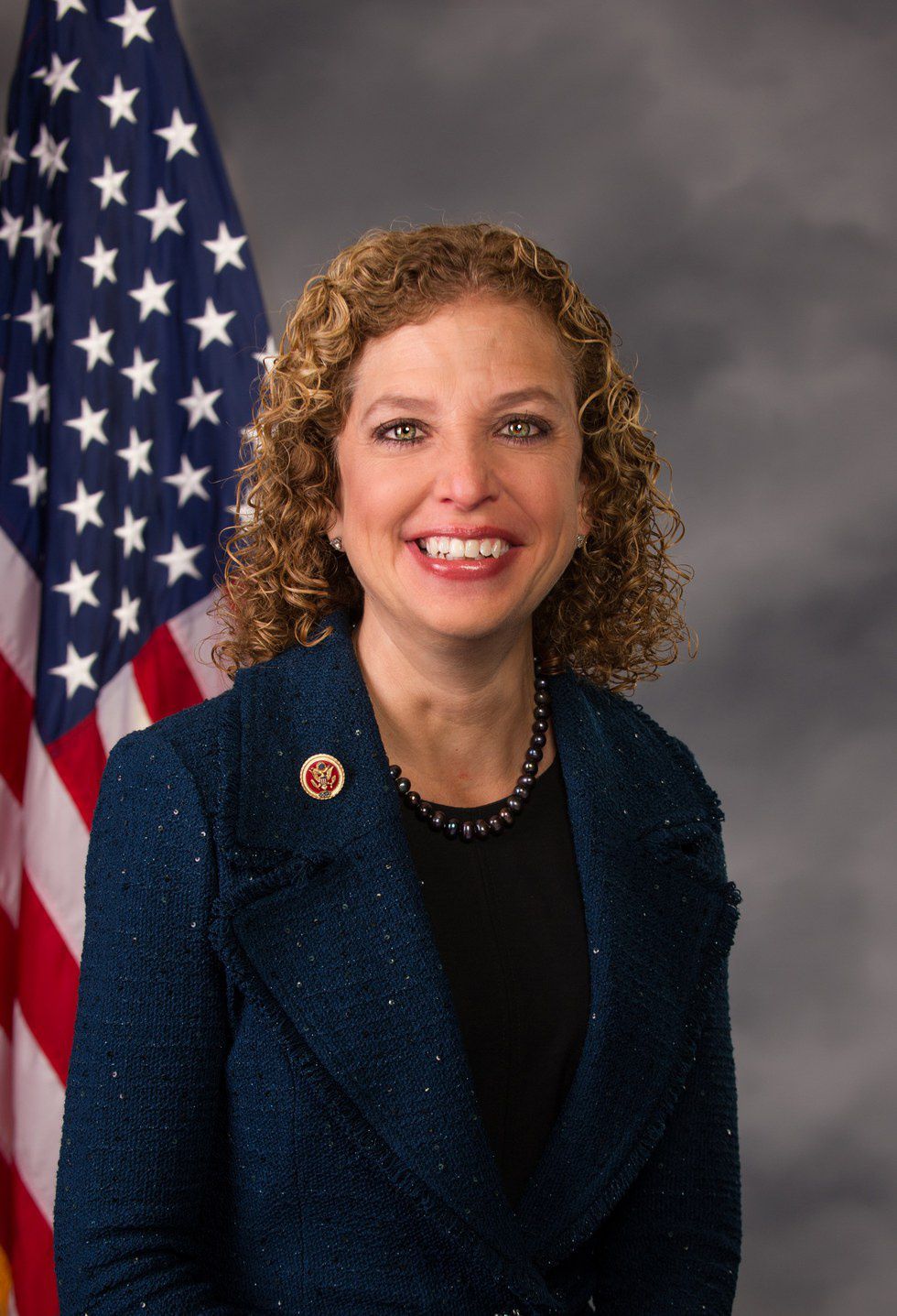
The democratic party has a system called "Super Delegates", where party members such as senators, representatives, governors, and former members called "party insiders" each get to cast one vote that equals one delegate. Although Super delegate voters can pledge support early on, the votes are not official until the Democratic convention, and aren't officially counter. Most super delegate voters will go with whoever is already leading in delegates by state, even if they had previously pledged support to someone else (which was the case in the 2008 election with Barack Obama). A CNN reporter asked DNC chairwoman Debbie Wasserman Schultz what she'd tell new voters who think that the super delegate process is rigged. Wasserman Schultz responded by saying that un-pledged delegates should make sure that party leaders and elected officials don’t run against grassroots campaigns.
One of the problems with this is that elected officials don't have to vote with what their constituents want, and those who aren't in office will have no push back against how they vote for as they aren't in office. A big deception that might sway voters currently is the delegate total that is shown on Google and other major news sources. It lists Clinton with 1,130 delegates, and Bernie Sanders with only 499. Although a graph shows a distinction between state won delegates and super delegate pledges, the numbers are perceived as "won" all together, even though the pledges are not official, and won't be for a long time. A more accurate count would have Hillary at 672 and Sanders at 477. The misrepresentation may turn voters away, or sway them if they are misinformed about the delegate total.
On the other side of things, the Republican party has allows individual states to be winner take all. In In these winner take all states (like California), the candidate who has won the most districts (and therefore the popular vote) wins all of the delegates in the state, instead of the delegates being split up by how many districts are won between the candidates. Since there are still four candidates actively running (five if you count Ben Carson, who hasn't officially dropped out of the race at the time this was written), you probably won't see super close finishes like in Iowa and Massachusetts (hey, that's us!) for the democrats. However, it would seemingly more fair to split them based on voting, instead of having one person walk away with all of them.
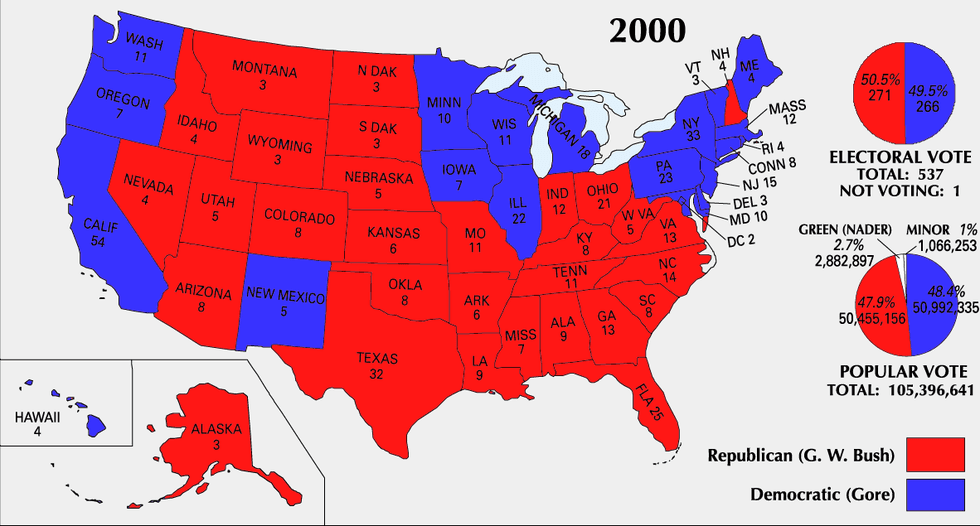
Finally, in what is probably the least democratic part of our election system, it is the heart of the presidential election; the electoral college. The electoral college was set up in place so the public would be protected from there own stupidity (this was a long time ago, and times have changed). Instead of your voting going for the candidate, you are voting for your parties representative to use there delegate to vote for your candidate. But they don't actually have to! There is no obligation for them to vote for the candidate you support, even though that's the reason you voted for them in the first place. Worst of all, you can win the popular vote, and still lose the presidency. This happened latest in 2000, with Al Gore beating George W. Bush by over 500,000 votes, but losing by five electoral after the voting recount in Florida was awarded to Bush by the supreme court (but that's a whole different story in itself).
Why has none of this changed? It's simple really. In the end, it's not big enough for the American people to make a fuss about. The presidential election happens only every four years, which is enough time for Americans to forget how ridiculous the whole system is. Most American's don't participate in elections for the Senate, the House, Governor, or even local politics like mayor, so there's no constant involvement with the election process. If the election was every year, I'm sure the electoral college would have been done with years down, and party policies like Super Delegates and Winner Take All States would have been debated about in a public forum. But, it isn't ever year, and most people just don't care. See you in four years when it's time for the next election.