
“Why Selfies Matter,” an article posted on TIME.com in 2013 by Alexandra Sifferlin, explores the concept of the ‘selfie,’ and then goes on to offer a critique of the selfie as an instrument in the lives of children and young teens. In her article, Sifferlin presents the main thesis that while selfies, or self-portraits, can be a great tool of self-exploration for young people growing up in the digital age, parents should also be very present in the process of their kids learning what a selfie is, so as to prevent a child from posting a selfie online that may have negative consequences, affecting how others view them, or even how they view themselves. I agree with the first part of Sifferlin’s critique; that selfies are a wonderful tool for self-exploration and the empowerment of the young person’s mind and being, however, I think the idea that a child must be policed through this process is a bit excessive, and only an initial conversation is needed about what pictures are okay to post online and what pictures aren’t, and why it matters at all.
Selfies have a powerfully subtle influence over the young mind. Most teens will snap a selfie on their smartphone when they’re feeling good about themselves, or are having a moment that they never want to forget. Sifferlin touches on this in her article, saying “As teens and tweens try to form their identity, selfies serve as a way to test how they look, and therefore feel, in certain outfits, make-up, poses and places.” She immediately goes on to offer this follow-up idea: “And because they live in a digital world, self-portraits provide a way of participating and affiliating with the world.” I think this is a very positive view on the phenomenon that is selfies and the young mind. When a young person takes a selfie and then posts it online, they are essentially saying two things: one; that they think that how they look or what they are doing is worthy enough to document, remember, and share, and then two; that they believe in themselves enough to offer this selfie to others for viewing and contemplating. I think it’s a very cool thing indeed.
Selfies help young people to fall in love with themselves at a time of much confusion about identity in their personal lives. Some people out there would not agree with this idea, though. Sifferlin observes that “Some social scientists lump the selfie trend… into the larger narcissism that is prevalent among today’s preteens and adolescents, arguing that self-portraits are an extension of their self-absorption…” I completely disagree with this idea, and I believe the use of the term ‘narcissism’ here is too extreme.
I believe it is a preteen’s rite of passage to be full of themselves. At this age, they are just beginning to fully grasp the concept of the world outside of them, and in order for them to healthily do that, I believe they need to understand, to the best their mental age allows them, the world going on inside of them. This isn’t narcissistic, this is just a young person finding a center within themselves, of which they believe their outward appearance and actions should indicate. It only becomes narcissistic when that self-love is based on insecurity, therefore becoming skewed, and forcing their self-love to be superficial. That self-love is derivative of the need for attention from others pushed on us at a young age from society for internal validation and is not self-love at all.
Sifferlin goes on to talk about the idea that parents should be active in their child’s internet life, which I agree with, to an extent. She quotes Dr. Pamela Rutledge, director of the Media Psychology research center, who says “Kids only have awareness within the context of their experiences. Expecting teens to understand what something “means” to an adult is about as reasonable as expecting an adult to understand what it means to the teen.” This is why active conversation between parent and child is so important. Kids and teens are capable of understanding more than we give them credit for, if only we allow ourselves to teach them and help them fully grasp what it is they need to know. I believe a simple “No naked photos or photos of drug or alcohol consumption because of A and B reasons as well as affirming that their self-worth deserves more than that” is the way to go. Occasionally checking up on your child’s Instagram account is an understandable thing to do as well, because it’s the parents responsibility to make sure their child is on a healthy path, and to correct them where guidance is needed. I don’t believe that excessive parental policing of social media and selfies is the way to go about guiding your child into the Great Big Beyond outside of their small block of the world.
Sifferlin offers an interesting critique of selfie-indulgence in the young mind. Her article is very well written and presents an observation of many ideas surrounding this current selfie revolution. It has always been a goal of mine, however minute, to offer my guidance however I may to those who are struggling with negative self-perception and lack of self-love. This is why I promote the selfie. Selfies are a great way of exploring identity and interacting with those around us through media and photo consumption. Selfies don’t have to ruin children’s lives and they don’t have to be the enemy.
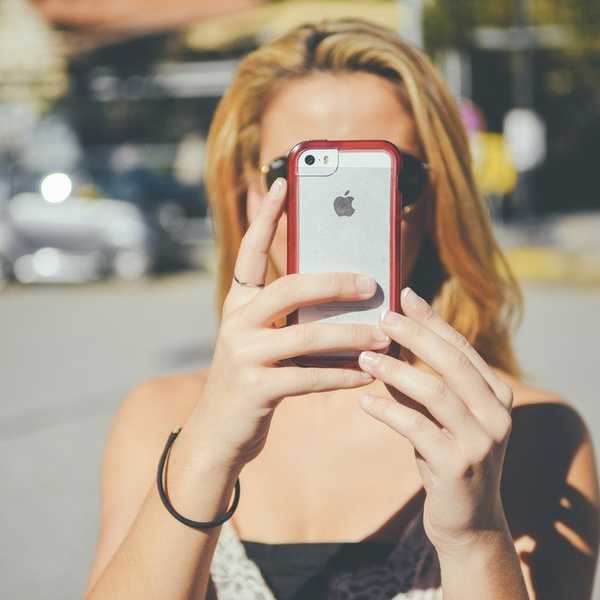
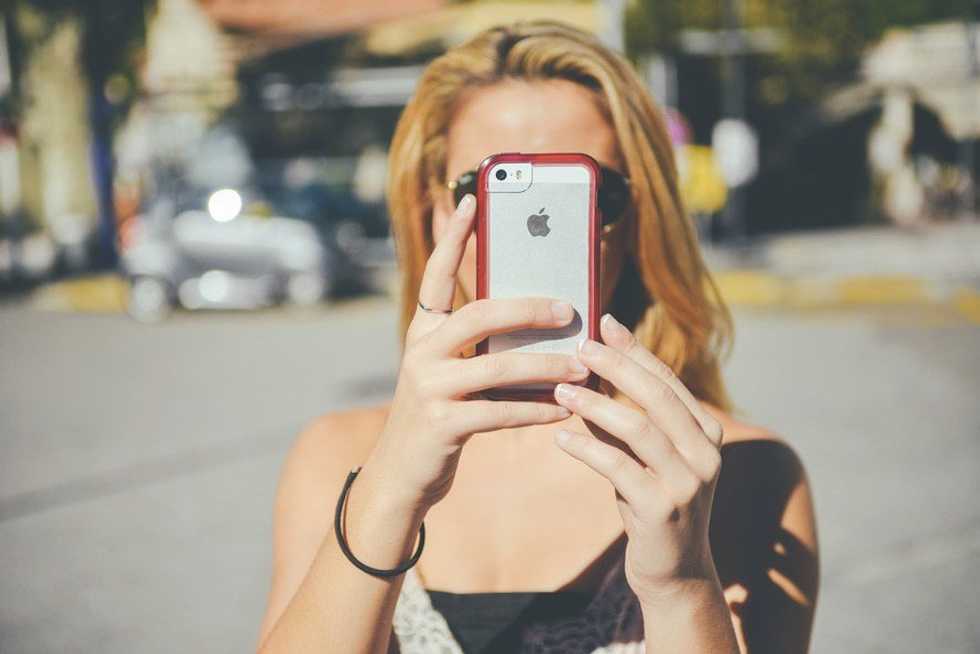
So cameras up! Smile and say cheese. Let’s take a selfie.