


Over the summer, I went on a book binge. For those of you that know me, this is not a very uncommon thing. I go to Barnes and Nobels or the Kindle bookstore and buy anywhere between 1 and 100 books. Normally, these binges have no rhyme or reason, I just ransack aisles without any purpose or direction, but this binge was different. This time, I bought all of the books from a specific author, Patrick Ness. This included his "Chaos Walking" series, "A Monster Calls," "More Than This," "The Rest of us Just Live Here," and the book I want to tell you all about, "The Crane Wife."
In high school, I had read the "Chaos Walking" series and thought it was absolutely wonderful. To this day, it is my favorite trilogy; it is one of the few trilogies I can genuinely say gets better each book. Over the summer, I wanted a book, one I knew would be just what I needed. So I ran through some authors I knew, I have already read all of Garth Stein (my favorite author), and so I needed to broaden my horizons a bit. Eventually, I remembered this trilogy and went running to Patrick Ness' other books. Among them, I found "The Crane Wife."
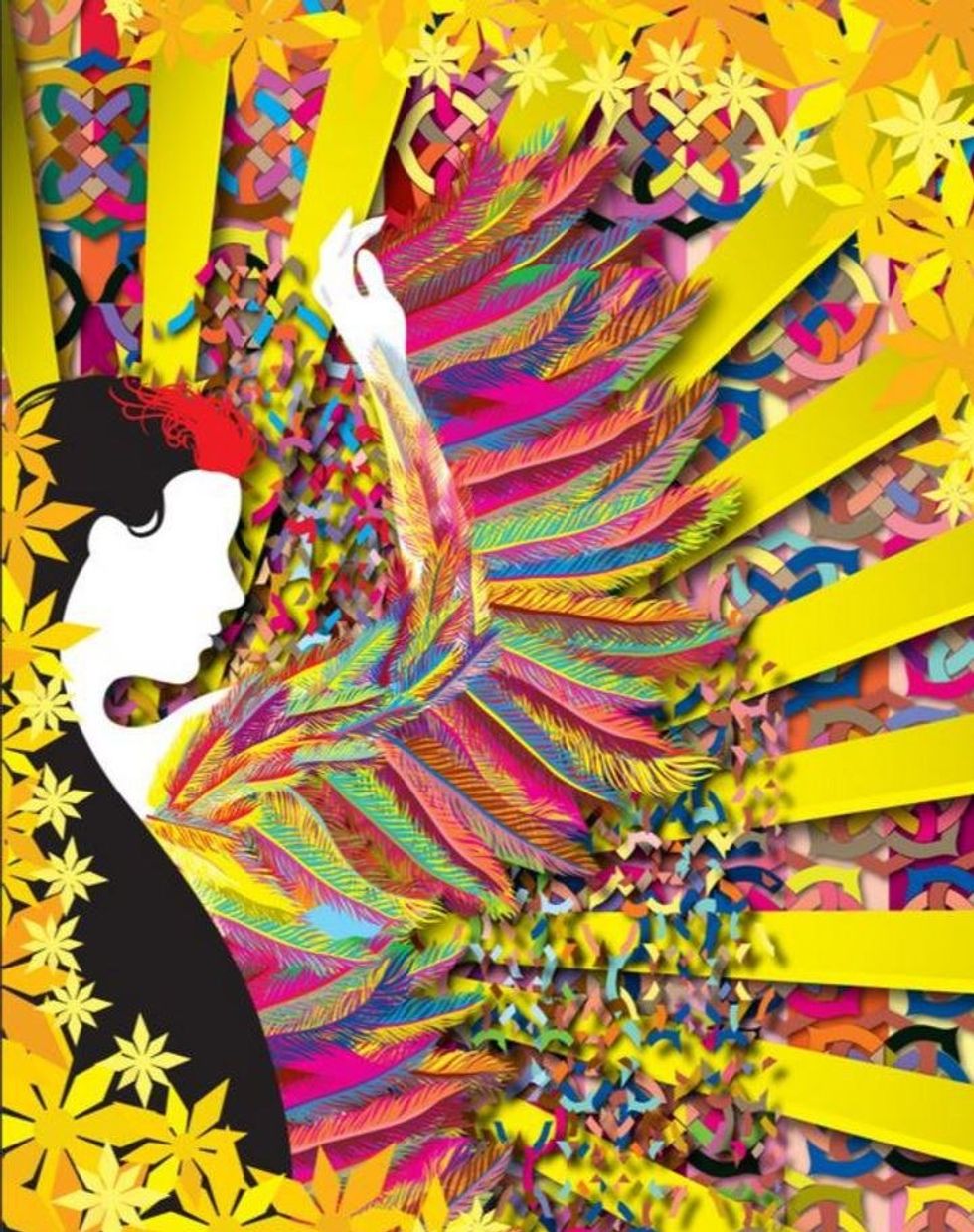
This book is absolute poetry. It lives and breathes and keeps you wanting more and more of it. Ness wonderfully composed a novel with a surreal story grounded in reality, and in it, he mixed a heartbreaking myth. This story is about love and relationships; it is about art and the soul.
The story Ness tells is beautiful in its own right, but so is the way he tells it. And I think that is what I like most about this novel. This is a real story. The characters can be based in our time period and related to on just about every level. But every few chapters he includes his folk tale all on its own, and just a little snip of it. This juxtaposition does not make the most sense to start with, but as you move through the novel, it becomes more and more clear to you how intertwined these two stories are. And as the extra tale gets more and more incorporated into the novel, it becomes more and more incorporated into the story. To the point, that when you get to the end of the book, you do not exactly know what happened, much like in Cormac McCarthy's "The Road," but you are left with the feeling that everything is all right. And it is okay to not understand as if sometimes it is better to not comprehend. There are things that are too beautiful to cognitively understand; they may only be interpreted.
So please, if you need a book, let me recommend this one to you. If you need something to make you feel like it's okay not to know, read this. If you need a poetic novel to make your heart sing and cry and everything in between, read this. And please, let me know what you think about it if you do.















