"Poverty is like punishment for a crime you didn't commit."
-Eli Khamarov, writer
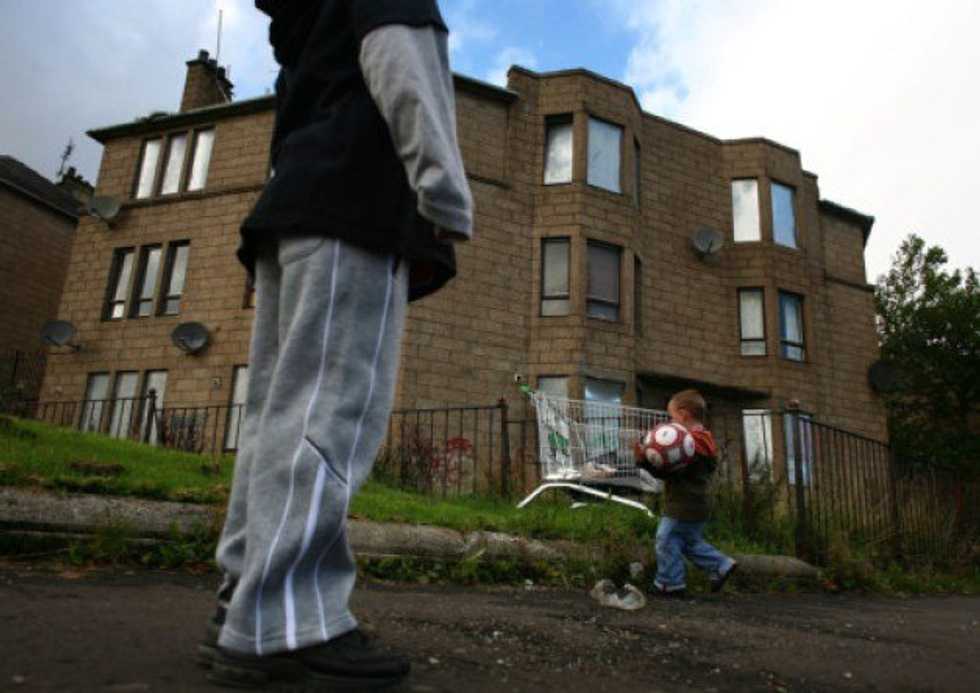
Based off of information collected by the U.S. Census in 2014, 46 millions Americans live at or below the poverty line. For these Americans, every day they stay in poverty is a punishment. They go hungry, they go homeless, and they lose their spark. Living below the poverty line does not just mean little to no income, nor does it mean just little to no food. Living below the poverty line in the United States brings psychological effects, lack of opportunities, and physical effects. When you are poor in the United States, you get the weight of the world judging you while have the responsibility to try and get out of poverty.
1. Constant tough decisions.

Living below the poverty line can be a daily struggle of choices. Does the individual let the bill be late so their child can get items for school? Does the individual walk to save the money in order to put food on the table? Every day is a set of obstacles that can be hard to accomplish for low-income families and individuals. Getting to work in order to provide can be a challenge when you are both a single or dual-income family with one car and the car breaks down. Is it more expensive to provide child care than it is to work? Will there be resources that can help, or does the individual make just enough that they do not qualify, yet they do not make enough to live? What can the individual sacrifice in order to make it through one more day?
2. Financial strains.

Poverty typically means lack of adequate income for individuals and families, this means that many do without a steady income. In the same 2014 census, 14 percent of Americans do not have secure food, meaning knowing when and how much they are going to eat in a day is an unknown. Lack of consistent nutrition can lead to underdevelopment both physically and mentally, especially for children.
3. Chronic stress can take a toll on health.
The constant worry of money, health, resources, and food can cause numerous health issues. Increase of constant stress can create high blood pressure, lower your immune system, making you more susceptible to illness, and even can lead to mental health issues, such as depression. Physical and mental illness can be hard to treat when individuals do not have insurance and cannot afford to receive the proper care that they need. At the University of California San Francisco, scientists are studying how poverty effects health and have discovered that typically those individuals living at or below the poverty line live seven to eight years shorter than those who live in a higher socio-economic status. In that same study, the have found an increase in diseases such as diabetes in youth. With many looking at lack of proper nutrition and exercise as the source. This can be due to healthier foods being more expensive and lack of safe neighborhoods to play in.
4. Poverty shaming.
Living at or below the poverty line has a unspoken shame that many face. Individuals who live in poverty may face ridicule from their peers and strangers. Unfortunately, stereotypes in society have made it seem as if those in poverty are lazy and worthless. Many do not want to be in poverty, it is just hard to get out.
5. Social connections are hard to make.
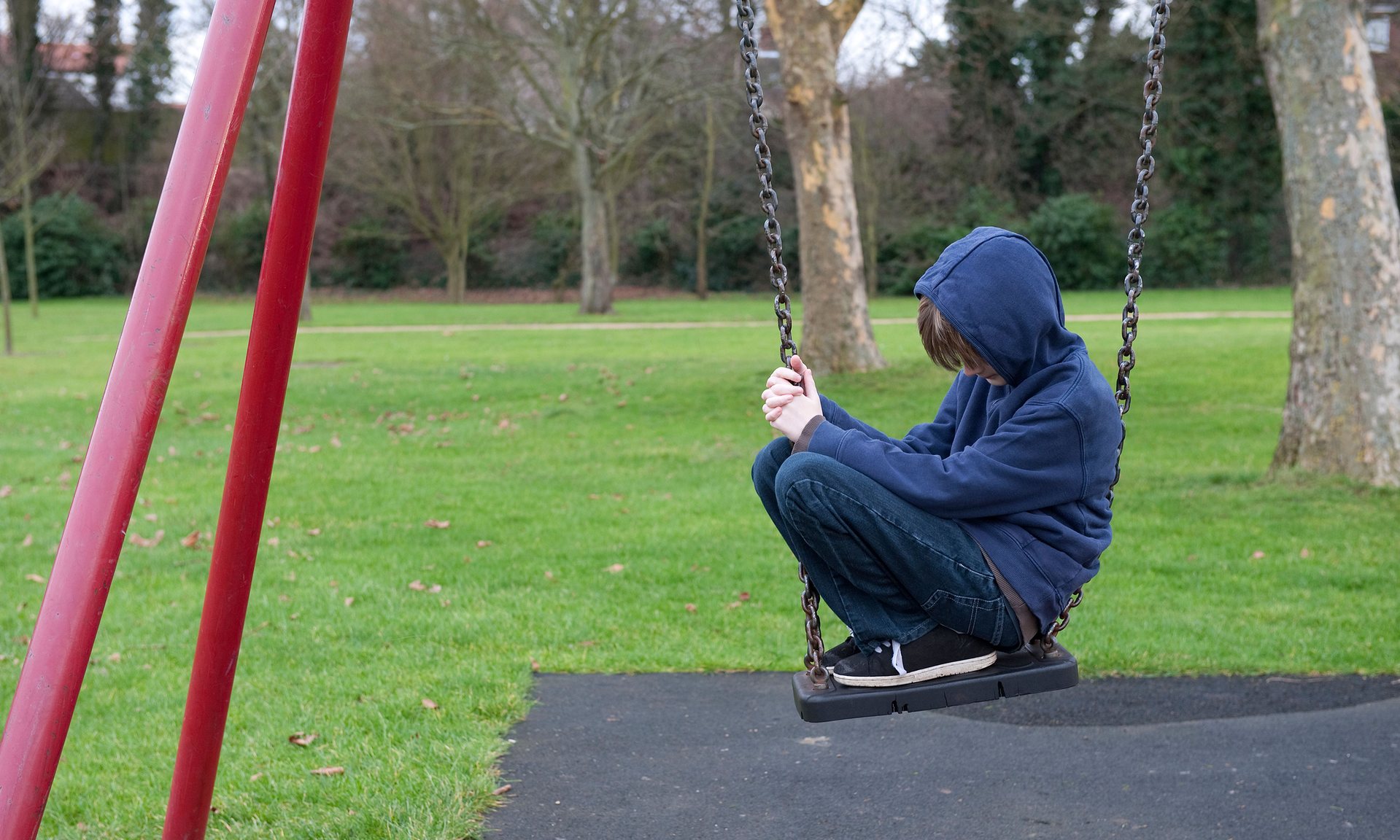
It is hard to connect for many struggle with poverty. The worry of ridicule from those who are financially better off may make it hard to form relationships. For many children, being the poor kid in class can be embarrassing. They may be bullied, thus leading to withdrawing from their peers. For those individuals struggling with poverty, it is a vicious cycle of triumphs and failures. Many are struggling to get out of the cycle.