


December 31st, 9 p.m. , Central Standard Time. I am sitting alone in the dark of my bedroom, illuminated only by the blue glow of my laptop, surrounded by empty Mt. Dew cans and stray popcorn kernels. I have no real reason to be awake, no social obligations, no motivation other than that split second of satisfaction when the clock changes from December to January. As a distraction, I shift my attention between the twenty-something tabs I have open that slow my browser to a crawl. I refresh Facebook, Twitter, and Tumblr every few minutes, not expecting anything to change but somehow still disappointed. As I debate getting up for another soda, a bright blue bubble appears in the corner of the screen. It’s a Facebook notification, the first in several hours.
2015 was a long year, and I’m ready to tackle the next one. I want to make 2016 the best. year. ever.
I groan, slamming my head into the wall behind me. It’s begun.
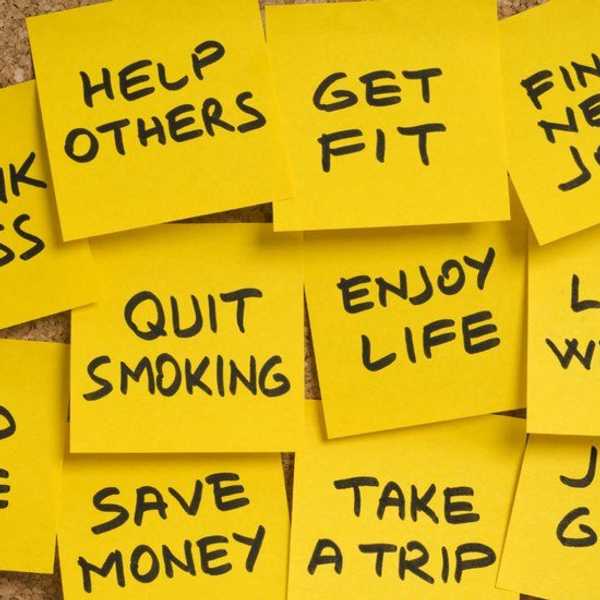
New Year’s Resolutions suck. Especially now, with social media as prevalent as it is, it is seemingly unacceptable to remain the slightly dysfunctional humans we all are and know everyone else to be. Instead, we must obnoxiously proclaim the complete turnaround of our lifestyle which will clearly lead to us being better and more successful people. After we complete this strange, self-deprecating ritual, there is a universal agreement to never mention our January promises ever again, regardless if any results are achieved.
The social media pressure is only the tip of the resolution-suck-iceberg. For starters, all of these resolutions are rooted in the belief that there is always something wrong with us, and because of this, we must punish ourselves with restriction and sacrifice. Instead of focusing on getting healthier, we focus on giving up our favorite foods to lose weight. We never think about doing better in school, we think about the hours we must spend studying instead of being with our friends.
We set out to make positive changes in our lives, and go about it by chaining ourselves to a vicious cycle of motivation, restriction, and then guilt. Instead of accepting our minor mistakes as they are and moving on, we convince ourselves that we are undisciplined, unable to make any real changes, and doomed to fall back into our bad habits.
This guilt can consume us, and consume us needlessly. This happens because as a whole, we are obsessed with perfection and not progress. Nothing we do is ever “good enough” because there is always somewhere else to go. A pack a day smoker who cuts down to one a week, or a struggling student who gets a C+ should be celebrated, but aren’t because they could still be better.
While we can always improve, there is significant power in progress, in looking back and seeing how far you’ve come. When the path inevitably becomes rockier, we can look to the obstacles we’ve already conquered as proof that it is possible to accomplish our goal.
So even though New Year’s Resolutions can suck, it is possible to make them suck less. I have three suggestions that I’m going to implement myself in the coming year to actually achieve my goals with as little soul-crushing madness as possible.
- Make the journey enjoyable. If you want to work out more, but hate running, don’t run. It’s much easier to make a change when you don’t hate everything the entire time.
- Baby steps. If you’ve compulsively bit your nails for five years, it’s highly unlikely that you’ll be able to quit come January 1st. Deeply ingrained habits take a long time to break, be patient with yourself. Try splitting your goal into mini milestones that span several months.
- Celebrate progress. A C+ on a paper can doubtlessly be improved, but if you’ve failed on every paper before that, a C+ is remarkable improvement. Take time to enjoy and appreciate where you are, where you’ve come from, and look to the future.
















