I didn't have the childhood experience of most American kids, and that's OK. What I had to deal with as a child and into adulthood, has made me the person I am today and that I am thankful for. It's taken me a long time to realize this, and it was hard not to pity myself in the process, but here I am and I want to fill you in.
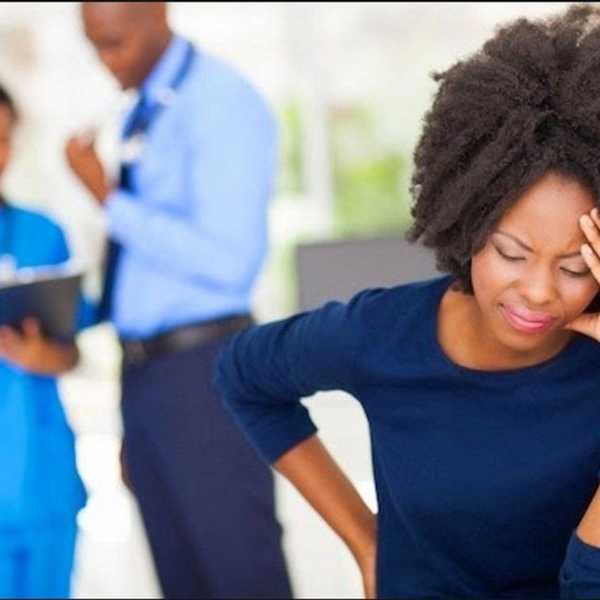
From about ages eight to 12 years old, I started having medical problems. This is about the time when my parents realized I needed glasses and I was also treated for Eczema. I also started to complain that my feet hurt. Doctors told me all sorts of things—plantar facetious or just flat feet were a few. I went through casts, leg braces and arch supports. And when all this failed, we started to visit more doctors. Visiting doctors was how I spent my free time. I didn't get to play sports because I was always in pain. Meanwhile, because of a limp I developed, I started walking funny and we saw a physical therapist to help me relearn to walk and basic motor skills. I pitied myself a lot and always was wishing I was one of my friends. But I was young, and normal eight and 12-year-olds don't deal with what I was dealing with, and so that made me different.
During the years, the pain would change. First the feet. Then it was in my hips and a torn labrum put me in a wheelchair for two weeks and crutches after that. Eventually, the pain moved to my spine. After seeing many doctors, including discouraging visits to the children's hospital, my mom called Denver Arthritis, and they don't see children, but the lady was nice enough to ask if any doctors would take me. Luckily, one did. Due to the research of both my mom and doctor, I finally was diagnosed with Ankylosing Spondelitis. This is a disease that affects my lower spine, and to give you an idea, the Mayo Clinic describes it as, "Ankylosing spondylitis is an inflammatory disease that can cause some of the vertebrae in your spine to fuse together. " I was happy about the diagnosis, but also kind of depressed to hear that there is no cure for it, but there are treatments to help suppress the symptoms.
A diagnosis was just the beginning of a long road ahead. I finally found a medication that actually worked for the pain. My doctor prescribed me with Humira. Which helps to mask the symptoms of the disease. Getting rid of the pain was a blessing, but every drug comes with its side effects. In this case, my immune system is suppressed. This means that when it comes to contracting colds, sinus infections, viruses, I am almost guaranteed to get it. I also struggle with dry eyes and dry skin that loves to leave blemishes and marks that I have tried to erase with dozens of creams. Needless to say, my medicine cabinet looks like I run a home pharmacy.
Though sports weren't an option and when walking was painful, I found an escape with riding horses. Riding never was painful or hard. It also was therapeutic. Without riding, I doubt I would have made it this far. While doctors reminded me of the things I shouldn't or couldn't do, I continued to excel and better my riding, and make a name for myself.
So why didn't I ever talk about it? Because I don't want people to pity me. I don't need people's sympathy. Part of me also didn't want to admit it to myself that this is something that I may have to deal with my entire life (unless it goes into remission), and I hated thinking that. All of it has sucked, yes, but no one can change that. I believe I have the disease for a reason and I just have to trust that God knows what he's doing, even if I don't love the outcomes. I don't believe in using my disease as an excuse. Even if it does inhibit some of my abilities, I just find other ways to do things.
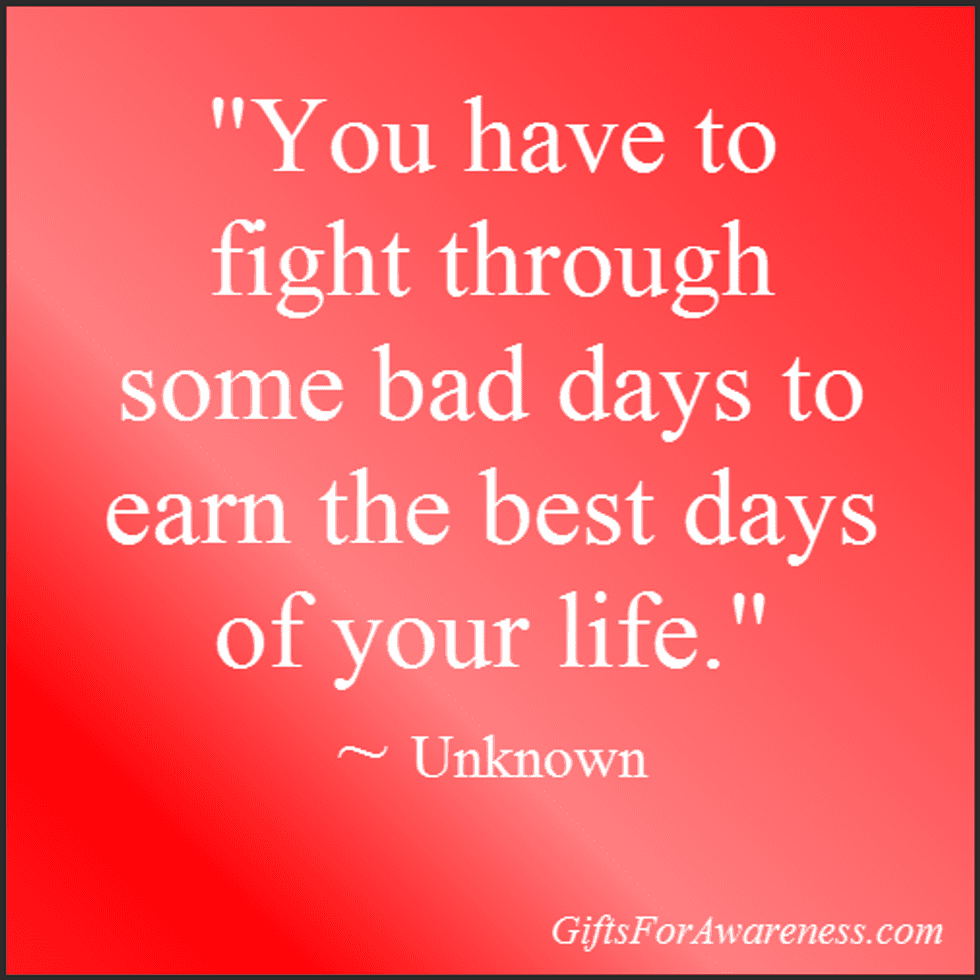
So here's the story, and it could go a lot longer and more in depth, but that about covers the basics. This article, was more for me. I finally accept my disease, but that doesn't mean I will let it hold me back.