

All high school- and college-aged women look forward to the syllabus week dedicated to “Pride and Prejudice.” Something about the undeniable appeal of Mr. Darcy’s unrequited admiration coupled with the Regency angst spilling from Lizzie Bennett’s lips intrigues us. We not only feel as though the earliest soap opera is being transcribed before our eyes with every Times New Roman keystroke, but that we are not only enjoying ourselves, but improving our understanding of the social world.
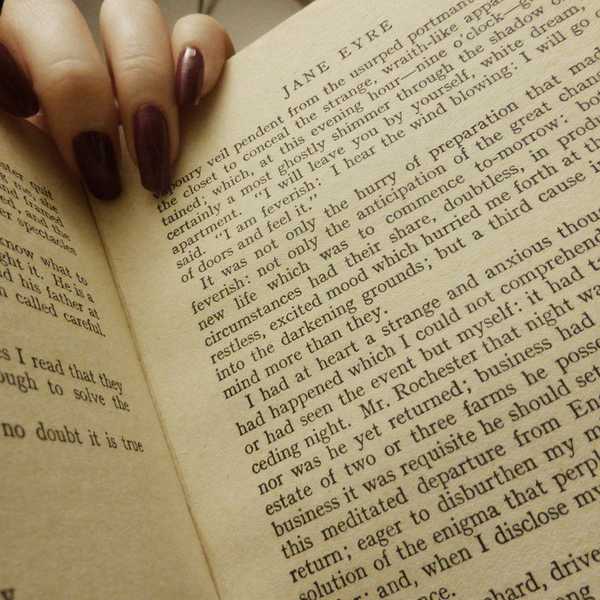
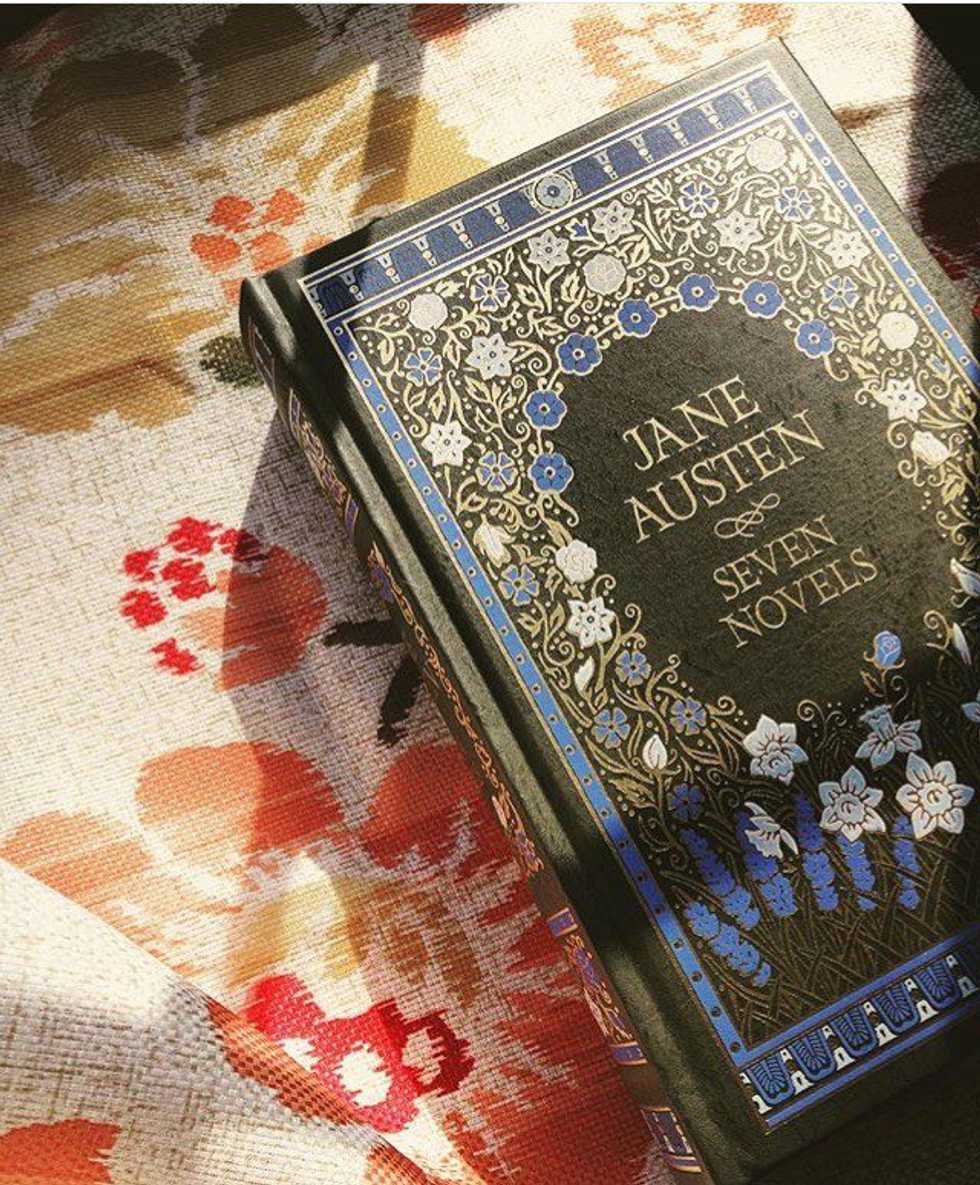
However strong-willed and revolutionary these highly regarded female characters may be, Lizzie Bennett, Catherine Morland, and Fanny Price are not the feminist heroes we track today through quotes and memorabilia -- their creator is. Jane Austen serves as one of the oldest, purest female role models. Nothing and no one invokes the traditional ideal of female interest quite like Jane Austen, no matter how many times a teacher forces us to read “Wuthering Heights.”
The reason we hold on to Jane so tightly, relinquishing any malcontent towards analyzing the underlying desires of a character taking a walk and embracing that feeling of solitude, is because we see Jane Austen and her characters as a representation of our ideal inner selves. We admire Jane because, in turn, she forces us to admire ourselves by pulling out the realest elements of a woman and turning them into a character we enjoy. Sure, Lizzie can be a bit hard-headed at times, but can't we all? It’s called “Pride and Prejudice” for a reason -- and it’s not to encourage us to become more of either.
Jane calls attention to the faults of her readers, but instead of negatively emphasizing them to berate her readers, she capitalizes on the opportunity to enable her audience to identify with the work. We see our mothers and our teachers as role models because of the hand they have in shaping our personalities and cultivating our minds; well, Jane Austen does quite the same thing: She teaches us the intricacies of society, for sure, but she also urges us to immerse ourselves in reading and thinking critically. Reading an Austen novel is like an exercise in imagining -- something many of her readers no longer have time or patience for. And while we may see her characters as headstrong, we see the woman behind it -- the woman who wrote for the pleasure of others instead of marrying for her own, who chose a career typically reserved to men, and who relinquished her societal role in order to do something she loved -- as a valiant, intriguing, admirable human. She is a woman, but she is also all of us; an attainable embodiment of a role model we can simultaneously observe and become through the pages of our favorite pastime.

















