Superman, Batman, Spiderman, Ant-Man, Iron Man, Thor, Captain America…what do all of these characters have in common? They’re iconic superheroes that have been mainstays in American comics for years. Their movies bring in billions of dollars to the box office every year. They’re featured on clothes, posters, and merchandise all over the globe. Another thing they have in common? All seven of them are male.
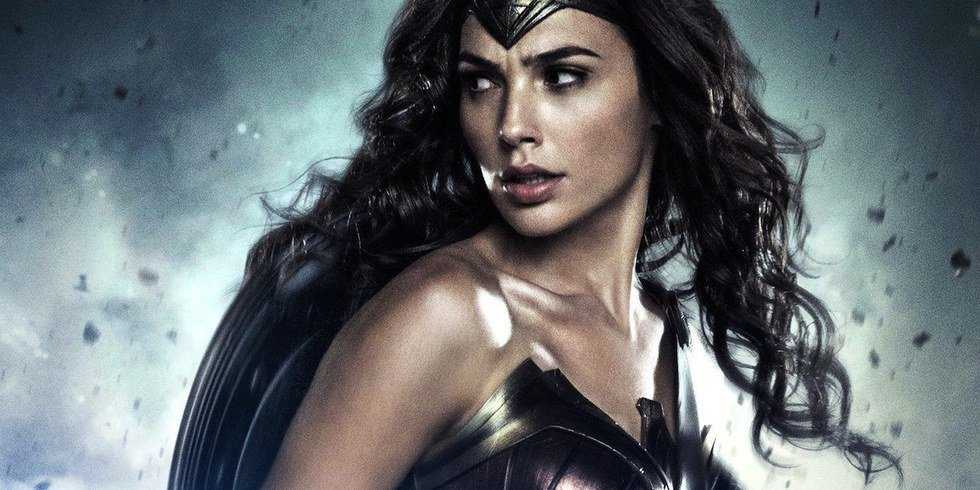
“Batman v. Superman: Dawn of Justice” is scheduled to be released on March 25. As an avid fan of superhero movies, I’ll be line to buy a ticket along with millions of other people. But at the same time, I can’t help but be disappointed that Wonder Woman still hasn’t gotten her own movie.
I still remember the first superhero movie I ever watched. It was the Tobey Maguire version of “Spiderman.” It was, and still is, one of my favorite movies in the genre—same with “Iron Man” and “The Dark Knight.” But now that I’m in college, I’ve realized that while these movies are hugely popular and financially successful, that doesn’t mean they’re not sexist. And “Batman v. Superman: Dawn of Justice” isn’t the only example. Take “The Avengers,” for instance. I love “The Avengers.” But even that movie has only one main female character. And the movie focuses more on Black Widow’s chest than it does on her strength or her skills as a fighter.
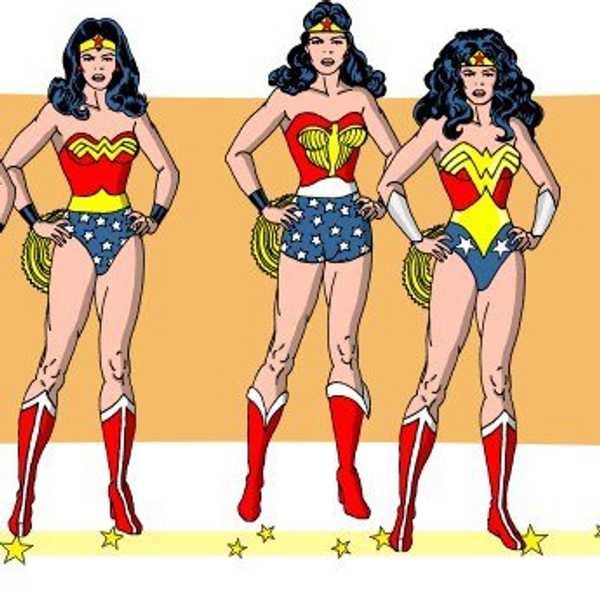
Which brings me back to Wonder Woman. Also known as Diana Prince, Wonder Woman is a warrior princess with a wide range of powers, such as superhuman strength and combat skills. Not only is she a warrior princess of the Amazons, she’s also half goddess. Pretty badass, right? So why does she still not have her own movie? Other than the fact that she’s female and most iconic superheroes are male, what’s the difference? I don’t know.
According to Wikipedia, women have been portrayed in American comic books since the medium's beginning, with their portrayals always the subject of controversy. Sociologists with an interest in gender roles and stereotyping have outlined the role of all women as both supporting characters and as potential leaders trying with no success to be accepted as equals. Another point of study has been the depiction of women in comics, in which, as in other forms of popular culture, body types are unrealistically portrayed.
Don’t get me wrong. I’m not saying these movies are bad. I enjoy watching them just as much as the next person. They’re fun, the special effects are sick, and it lets me get in touch with my inner kid. But they’re not perfect. I think that Hollywood has come a long way in regards to gender equality. But we’re not done. We still have a lot of work to do. Movies like “Batman v. Spiderman: Dawn of Justice,” where Wonder Woman is a side character while the boys’ club saves the day are proof of that.