
Colors help us associate something with a feeling or a purpose. Black means somber. Red means blood or love. Yellow means friendship and sun. Blue is for the sky. White is for youth and purity and peace. Flags usually contain only a couple or a few colors. So why does the LGBT community get to claim all of the colors of the rainbow? If you consider the alphabet soup of the variations of sexualities that are non-heteronormative, then you are starting in the right place. The new way of expressing the entire spectrum is LGBT+, and sometimes even more letters are added before the plus. As the acronym changed over the years, it grew to include and bring notice to more variations of sexuality. We know now that not everything is a simple as black and white.
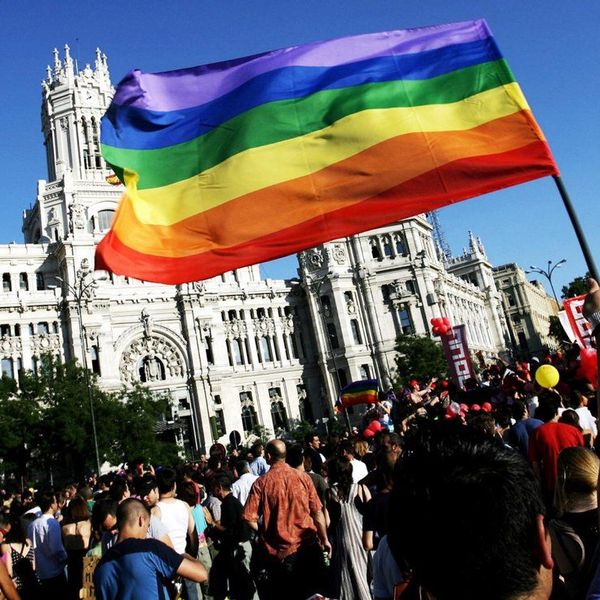
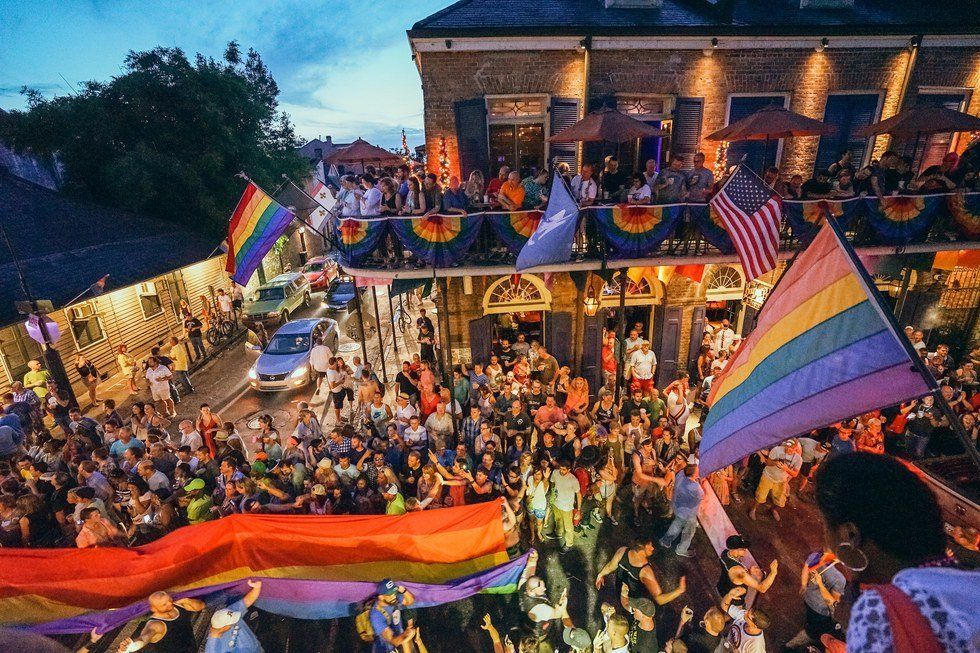
The rainbow colors help to express this. We are a community that joins together for strength and a common purpose of being accepted and given the rights we deserve to live in a society as any heterosexual citizen. The people on the spectrum of LGBT+ are not all interested in the same activities and ideologies. We are not all the same color nor do we speak the same language. We do not all even enjoy each other’s company always. This community came together in order to have more strength against the common enemy: ignorance and intolerance.
An example of the diversity in our community is the dyke march meeting I attended this week. The goal of the organizers of the meeting was to decide if the New Orleans dyke community should relaunch the dyke march, which was an event held during Pride in the years before Katrina. The meeting was interesting and quite odd. The range of styles, appearances, speech, expression, and interests was impressive. We are not all the same. Some women looked like the poster child of dyke-ness, with plaid shirts and khaki cargo shorts. Others wore dresses and some were FTM transgender.
The meeting message welcomed all who identify with the word dyke or who support the elaboration of that community. The discussion came up about the sexualization of our communities. Most of us describe dyke as a women who loves women, or more vulgar, a woman who has sex with women. A couple of women present expressed their desire to have events uniting our fragmented Lesbian/bisexual/dyke/queer women society in New Orleans, and in doing so to intentionally de-sexualize the community. The request came from women who identify as asexual or gray-sexual.
This conversation was quite interesting, as most of our community thrives off of the sexiness of being with a woman and the joy of sharing that complicated and fulfilling relationship with another woman. Looking around that room of 30 women, however, was eye-opening, because some looked like rocker chicks, with colored hair, green, purple or pink and tattoos all over. Others were nerds. Some were butch. Some were femme. The women in that room, if not for being dykes, would likely never have been friends.
The meeting purpose was to decide whether a dyke march should be relaunched, but what came from the meeting was the vocalization from everyone that really what we need first is to unite our scattered community. We need to create a community inside the city that is active and welcoming. We want to be visible, accessible and viable. We want to know each other, support dyke businesses and consult with dykes who specialize in a specific service or craft. We want to simply know where each other are and grow our presence in the city. The dyke march will be part of this plan, of course. And judging from the lady mix in the room, it will be an educational expression for the community. Also it was expressed at the meeting the desire to bring in women of color and women who are immigrants and may not be able to find the community, since it is not too visible. The desire is not to be like the rich white gay community in the city, that as women we would unite with all of our colors and styles and express a diversely rich community.
After seeing the turnout at this meeting I understood visually what the New Orleans gay men community typically does not show: the diversity that is within our dyke community and the opportunity that this gives us to really make a difference in our communities and in our world.

















