
For as long as I could remember, having any sort of difference about you, physical or not, came with a stigma of some kind. In three months, it will be 2016, so why do mental illnesses still have a stigma?
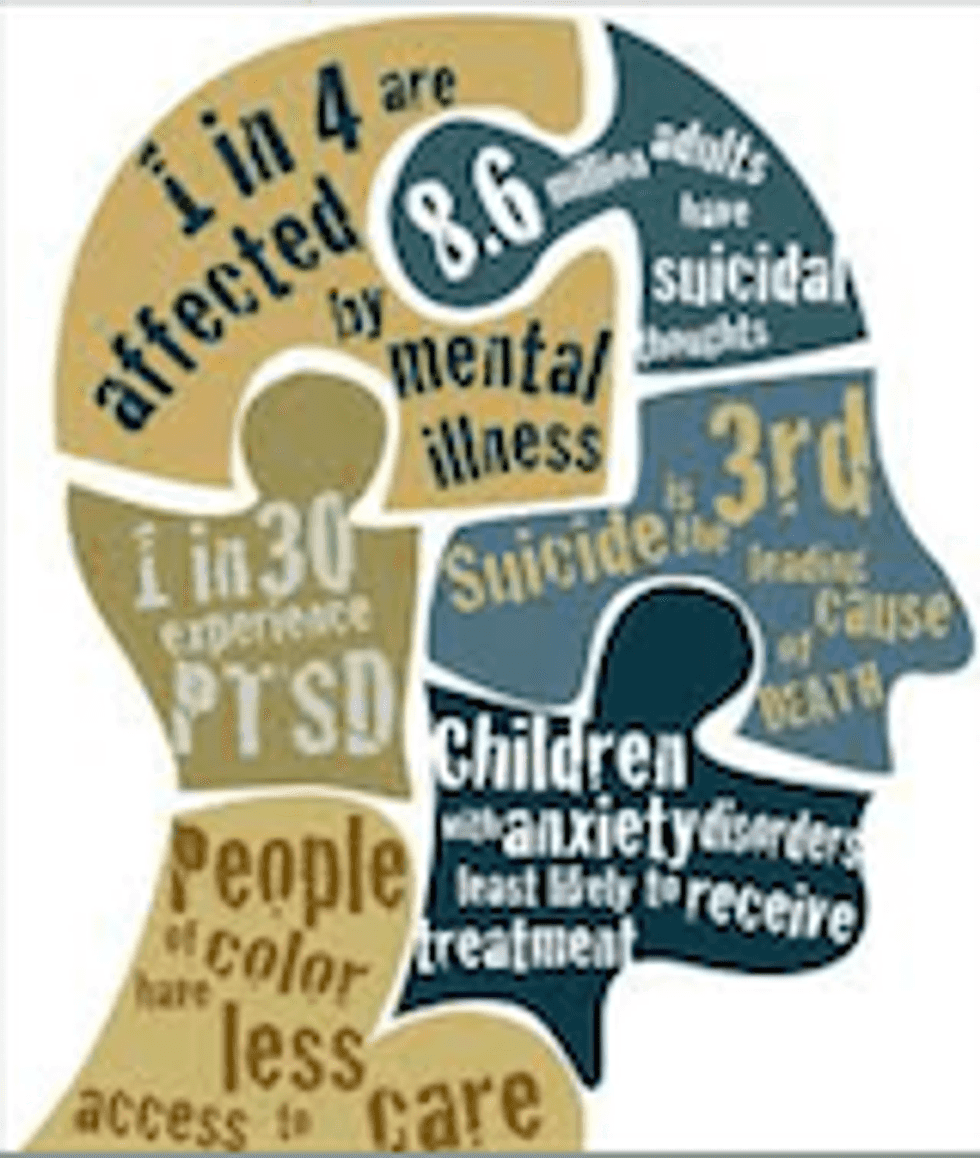
According to the National Alliance on Mental Illness, one in four adults, so around 61.5 billion Americans, experiences mental illness, and one in 17, so around 13.6 million, lives with a serious condition such as schizophrenia, bipolar disorder, or extreme depression. Approximately 20 percent of youths ages 8–18 are diagnosed with a type of mental illness. These numbers are huge and prove that mental illnesses are common among many people who, unfortunately, have to suffer them. So, why do we shame those that do?
Somehow, our society has stereotyped people with mental illnesses as crazy, unpredictable, unreliable, incompetent, and dangerous. These unrealistic and far-off stereotypes give people those that do suffer from mental illnesses a feeling of embarrassment and low self-esteem because of their differences. The numbers say it all—so many people suffer and live with mental illnesses. It isn't weird or different; in fact, it's common and perfectly normal and nothing to be ashamed of.
The stigma has caused people and society to be quiet about mental illnesses. If it isn't physical, then it simply isn't there, right? No, it's there, and it needs to be spoken about. Openly talking about mental illnesses, making it a cause to be funded and supported, gives those who suffer a sense of relief and comfort. Being quiet and pretending mental illnesses are not a real and pressing issue makes those who suffer enough already suffer even more. Mental illnesses interrupt people's daily lives just as much as physical illnesses do. Mental illnesses affect people's social lives, self-care, happiness, and beyond. When someone suffers from a mental illness, something like being confident in themselves becomes that much harder than it already is for people who don't suffer mental illnesses. This example can make personal hygiene, personal health care, and personal mental care of someone who suffers from a mental illness deteriorate, thus impacting their daily life. Ultimately, it just becomes harder to do the things considered to be easy in life by people who don't suffer from mental illnesses.
There are a number of things that we as a society can do to make it so we don't ostracize or make those feel bad about having a mental illness. For one, we can make it a more funded branch in the health care system. People shouldn't have to pay ridiculous amounts to seek help from a professional or for medication because in reality not everyone can afford that kind of help or medication, thus those we suffer but aren't affluent won't get the care they need or deserve. If the government would consider mental health as much as they consider physical health in their health care systems, more people who do suffer from a mental illness will get the help they need and that ultimately will show those who do have a mental illness that is it as important as other illnesses.
Another huge step we as a society can do is talk about it. Mental illness is such an off-limits topic in society because we feel that it is too "sensitive" to speak about. In reality, it isn't. The more we talk about mental illnesses the more acclimated we as a society will be to it, and it will make those who have mental illnesses feel less shy or embarrassed about speaking about it themselves. Lastly, we should embrace therapy and getting help! It isn't weird and doesn't classify you as crazy if you do seek help, it just means you have the strength to go and seek the help you know you need. It many cases, people feel insecure or too proud to seek help because they feel it is a sign of weakness, by making it that therapy isn't something to pity someone for and something to encourage or praise someone for will lower the stigma that therapy is bad and for insane people.
As someone who knows someone very close to me and my family with a mental illness, I think that the way mental illnesses still, in 2015, have a stigma is appalling. We as a society have progressed exponentially in countless aspects, but there is still much more work to do. There is absolutely nothing wrong with having a mental illness. You are not different, you are not weird, you are not crazy, and you are not insane. You are perfect the way you are, and there is nothing to be ashamed about if something about you isn't "normal" or "typical."
People should not be afraid to seek help, talk about their mental illness, or be completely open about it. Let's hope we can make 2016 the year to end the mental illness stigma.