

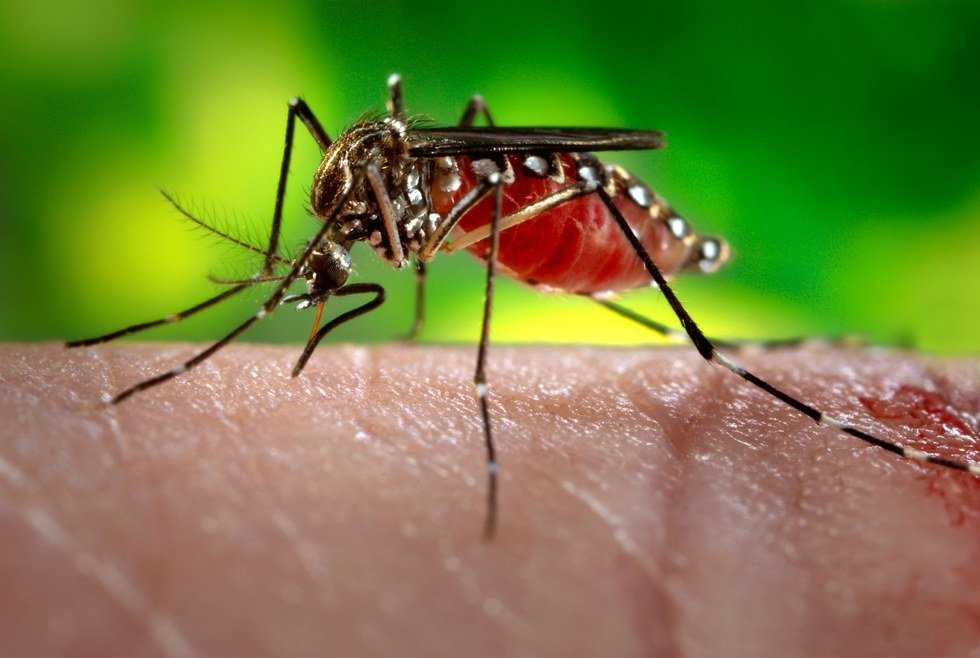
These last couple of days in the city have given the promise of summer and imminent fun, but now there’s a new kid on the block that we have to worry about: Zika virus. I personally would love nothing more than to live in a world where mosquitos don’t exist. That would be one less invasion of privacy we have to live with, if you catch my drift. Nothing in life is complete, I guess. So for now, here’s how you can prepare yourself this summer. First, what is Zika virus, and what are its effects?
According to the World Health Organization (WHO), Zika is a mosquito-born virus transmitted primarily by mosquito bites. Since it’s resurgence in Brazil in 2013, the WHO has declared the Zika virus as a Public Health Emergency of International Concern (PHEIC). According to the Center for Disease Control (CDC), there are currently 127 travel-associated cases of Zika in New York state. Thankfully, there are currently no locally acquired vector-borne cases reported. However, the fear here is that once someone has the Zika virus and they get bit by a mosquito, that mosquito is now a carrier of that virus. Once this starts happening, it becomes significantly harder to control the virus, and it can start spreading like wildfire. Zika can also be sexually transmitted, so please make sure that if you or your partner are traveling – or have traveled - to a country that has reported cases of local, vector-borne transmissions, use condoms (more on this below).
Although Zika is not fatal, Zika infection during pregnancy can cause microcephay and other severe birth defects. Also, since it is a virus, viruses are highly adaptive and can mutate very rapidly. It is imperative we take the necessary precautions in order to contain the virus and keep it from infecting our local mosquito population to prevent massive outbreaks. Here’s what the CDC and the WHO says we can do to prevent Zika:
- Use Environment Protection Agency (EPA) – registered insect repellents
- Repellents should contain DEET (N, N-diethyl-3-methylbenzamide), IR3535 (3-[N-acetyl-N-butyl]-aminopropionic acid ethyl ester) or icaridin (1-piperidinecarboxylic acid, 2-(2-hydroxyethyl)-1-methylpropylester). Product label instructions should be strictly followed!
- Do not use repellents on babies younger than 2 months.
- Do not use products containing oil of lemon eucalyptus or para-menthane-diol on children younger than 3 years old.
- Mosquito netting can be used to cover babies younger than 2 months old in carriers, strollers, or cribs to protect them from mosquito bites.
- Sleep under a mosquito bed net if air conditioned or screened rooms are not available or if sleeping outdoors.
- Prevent sexual transmission of Zika by using condoms
- Use window screens
- wearing clothes (preferably light-coloured) that cover as much of the body as possible
- It is extremely important to empty, clean or cover containers regularly that can store water, such as buckets
Symptoms are:
- Conjunctivitis (pink-eye)
- Joint pain
- Rash
- Fever
Treatment:
- There is no vaccine to prevent or medicine to treat Zika virus.
- Treat the symptoms:
- Get plenty of rest.
- Drink fluids to prevent dehydration.
- Take medicine such as acetaminophen (Tylenol®) or paracetamol to reduce fever and pain.
- Do not take aspirin and other non-steroidal anti-inflammatory drugs (NSAIDS) until dengue can be ruled out to reduce the risk of bleeding.
- If you are taking medicine for another medical condition, talk to your doctor or other healthcare provider before taking additional medication.
- If you have Zika, prevent mosquito bites for the first week of your illness.
According to the WHO, these symptoms can last 2-7 days. Keep in mind, however, that most persons infected with Zika virus are asymptomatic: even more important that we take the necessary precautions to prevent infection and/or transmission. For women that are trying to conceive, the CDC suggests that “women who have Zika virus disease should wait at least 8 weeks after symptom onset to attempt conception, and men with Zika virus disease should wait at least 6 months after symptom onset to attempt conception”. if you or your partner have not travelled to a country that has locally acquired vector-borne cases (which is not the case in the U.S.), you don’t need to worry. However, since symptoms can be dormant in some people, I’d say it’s better to be safe than be sorry. Don’t let these little arthropods ruin your summer! Stay calm and use Deet.