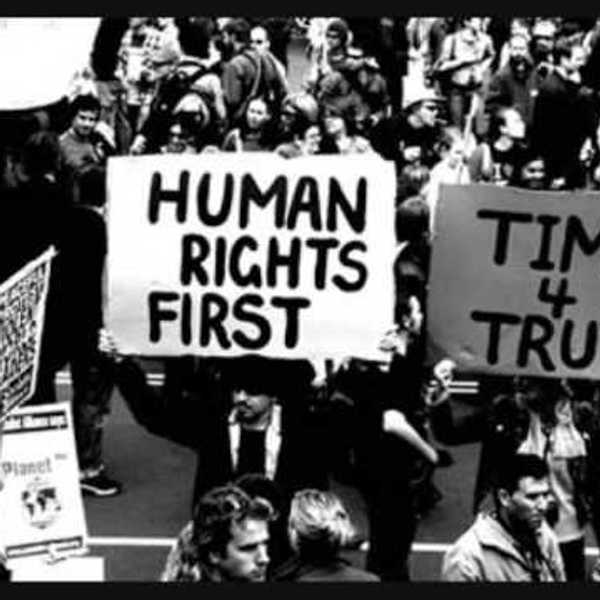

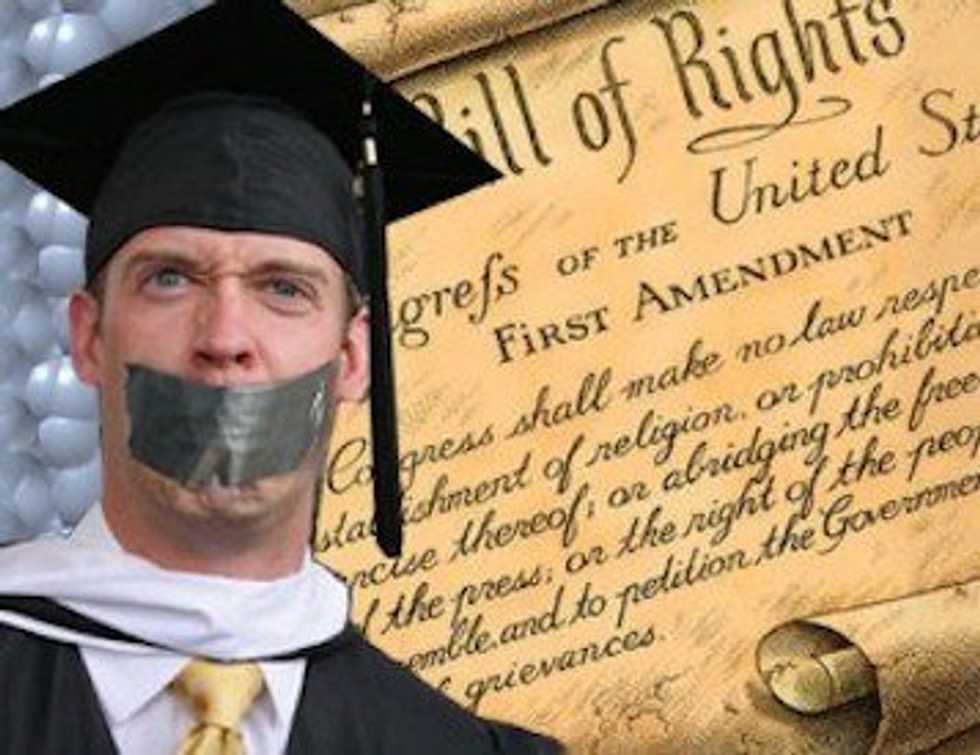
It was as far back as 1919 when Supreme Court Justice Holmes used the phrase a “marketplace of ideas,” in order to describe how the United States should view the first amendment’s right to speak. He claimed that we must value the discussion of ideas over our own notions of what’s right and what’s wrong and accept differing opinions. Without differing opinions and the discussions that they bring, ideas can’t truly blossom and grow.
For 49 percent of college campuses, which maintain severely restrictive speech codes according to the Foundation for Individual Rights in Education, a marketplace of ideas is something that they can’t afford. They believe that if they were to give their students these rights, some other students may take offense to what they say. After all, what’s the freedom to express your opinions when compared to making everyone feel safe and sound. College students are not prepared to defend their views, so it’s best to just not expose them to differing opinions altogether.
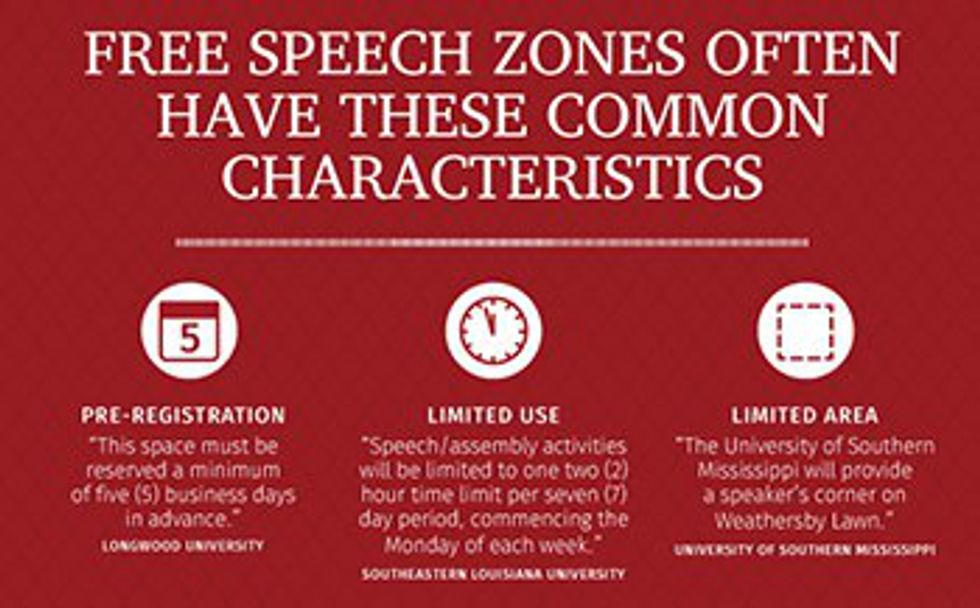
However, it’s not all bad. Most of these campuses do allow room for free speech. They allow 10 square feet of it. Roughly one in six colleges and universities across the country have adopted free speech zones. These are small, restricted locations across campuses where an individual can freely express their opinions. Most of these locations can only comfortably fit up to four individuals, and some can only fit two. Not only that, but you must also seek permission from the administration before using the free speech zone.
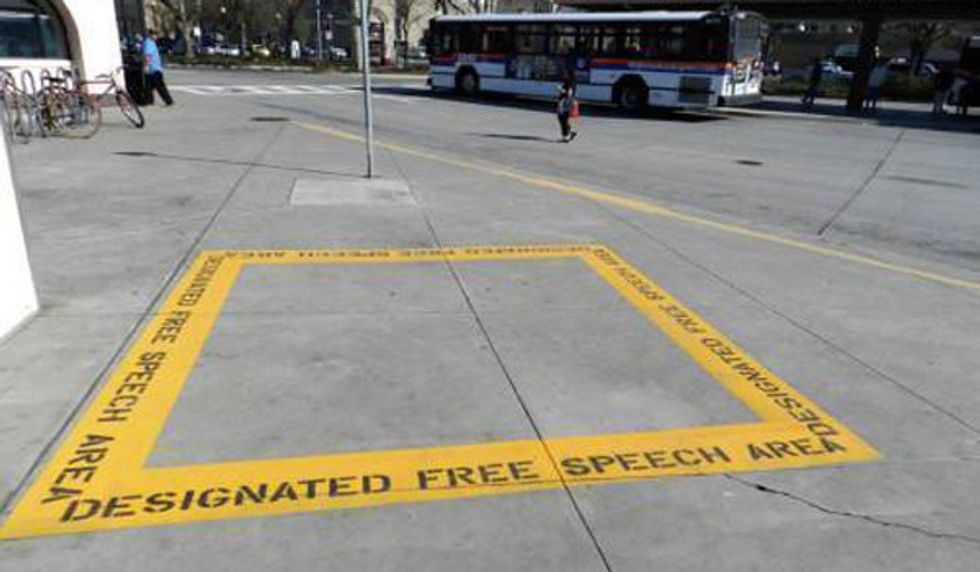
Students across the country have been fighting back. A freshman at a public community college in Arizona filed a federal lawsuit after she was booted out of her college free speech zone because she didn’t seek administrative permission before using the zone.
At the University of South Carolina, which ironically uses the slogan of “No Limits,” had a First Amendment lawsuit filed against it after telling a student that he faced disciplinary action over complaints from three students. The complaints were about posters that he and two campus Libertarian organizations had displayed in the university’s free speech zone, showing examples of censorship within campuses across the nation.
State legislatures have also helped to put an end to these restrictions. Missouri enacted the Campus Free Expression Act in July 2015. This act prohibits public colleges and universities from limiting speech or expressive action to small free speech zones. Before them, Virginia enacted a similar law in 2014.
President Obama even took a stand against the regulation of free speech on college campuses. This past September, the President told an audience at a town hall event that campuses shouldn’t regulate speakers with views that they deem too conservative or material that may offend minorities or women.
“I’ve got to tell you, I don’t agree with that, either. I don’t agree that you, when you become students at colleges, have to be coddled and protected from different points of view,” the President told the audience.
It is not a university’s job to be the moral police of its students. It’s their job to prepare the future leaders of the United States for the real world and I promise you that the real world does not plan to coddle them.
Students need to learn how to defend and strengthen their beliefs, not cower and run from ideas that scare them. Let students share and grow their ideas. Let’s turn colleges back into the marketplace of ideas that they’re truly meant to be.