I recently went on a mission trip to San Francisco and our main objective was to work with the homeless. We worked in a food line, immersed ourselves in the Tenderloin district, handed out food, socks and more. Most people see a homeless person, assume that they're a drug addict or alcoholic and continue with their day. However, we spent time talking to them on this trip and learned about their circumstances and their life stories.
I think the biggest problem with homelessness in America is the stereotypes. Yes, people may lose hope and abuse alcohol or drugs. But, for the most part, that is not how they ended up on the street. It was the outcome of depression and a loss of hope. Many of the people we spoke with suffered from fatal illnesses, such as cancer. Due to their circumstances, however, they have no way to get treatment. Some of the people we spoke to had their doctorates and successful careers once. They had families, friends and lives like ours. But, whether it was due to a divorce, lay-off or tragedy, they ended up on the streets.
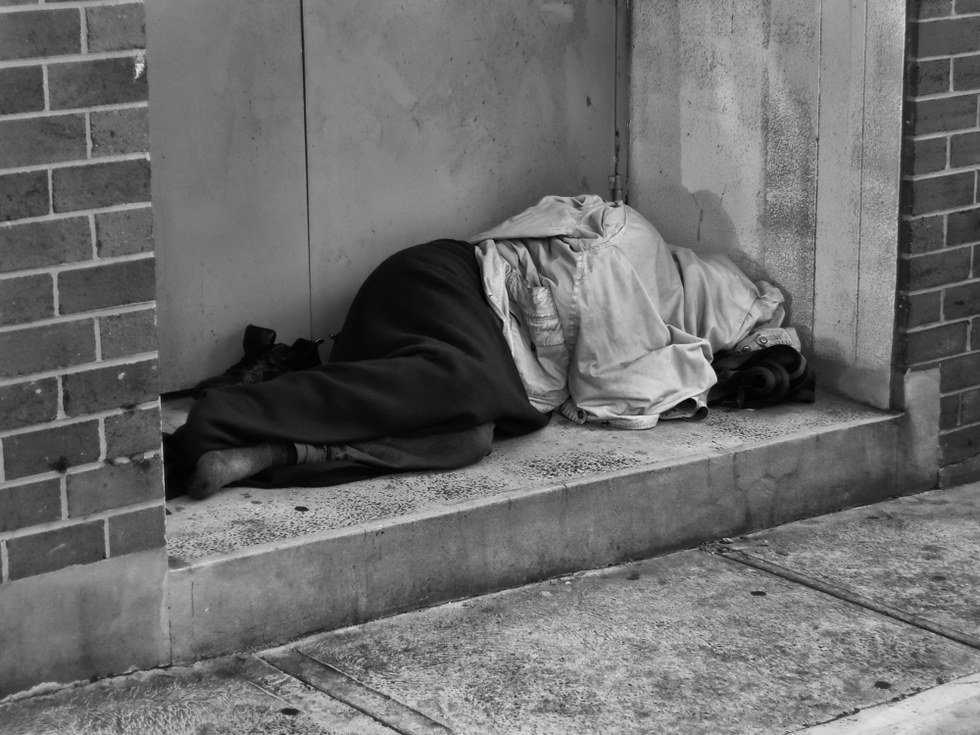
Some people were so overwhelmed by our simple acts of kindness that they started bawling because "no one even looks at me, so bless you." What people don't realize, myself included, is that these people are not being lazy. Their entire day is devoted to trying to find food, water, a place that will let them use the bathroom (there aren't many), finding businesses that have resources for them, protecting the few belongings they have, and trying to find a safe place to sleep. They also have to deal with odd laws against homelessness. For example: you can sleep next to your car, but not in it. You can't cover your head if you sleep on the sidewalk, and people are not allowed to give handouts of food to the homeless. These types of odd laws makes their job, surviving, extremely difficult.
This trip taught me that the homeless should not be judged. I learned that they are like the rest of us: they have stories, emotions and lives. I learned that many of them are ill, whether from cancer, diabetes, depression or alcoholism, and that it is very difficult for them to seek help for these things. But mostly, I learned to be grateful and kind. I learned not to take what I have for granted and that I am privileged. From now on, I will not be ignorant and turn a blind eye to someone I see on the street because even a simple smile can make them feel seen.