On January 6, 2017, SeaWorld announced that their most famous killer whale, Tilikum, had passed away at 35 years old. Tilikum is recognized by most as the killer whale featured in the hit documentary "Blackfish," released in 2013. Since the release of the documentary, many individuals, including myself, have become quite aware of the harms that come from keeping killer whales in captivity areas like SeaWorld.
In March 2016, SeaWorld had expressed to the media that Tilikum was ill, and they feared he was going to pass soon. In addition, they announced they would no longer be keeping the whales in their parks. Finally SeaWorld has been recognizing the harm their entertainment industry is bringing to their whales and their staff.
Tilikum's death reminds us that...
1. Killer Whales can become deadly when held in captivity
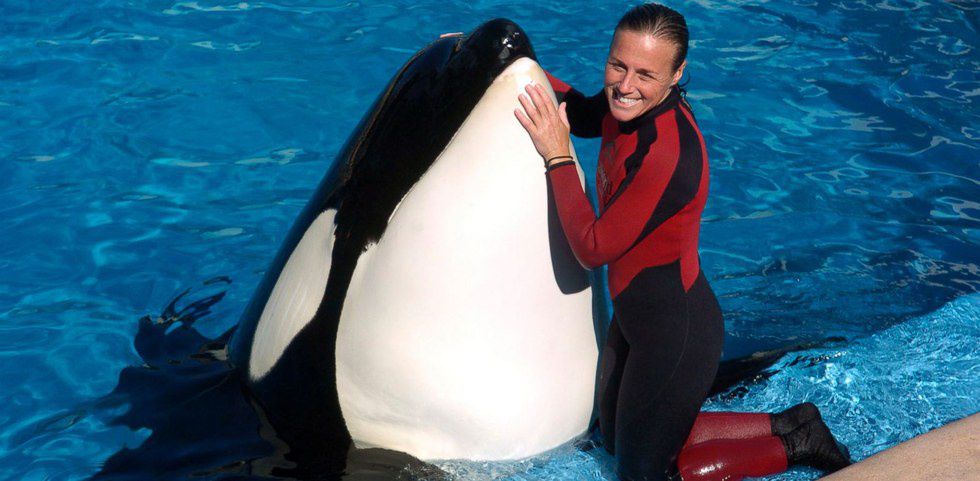
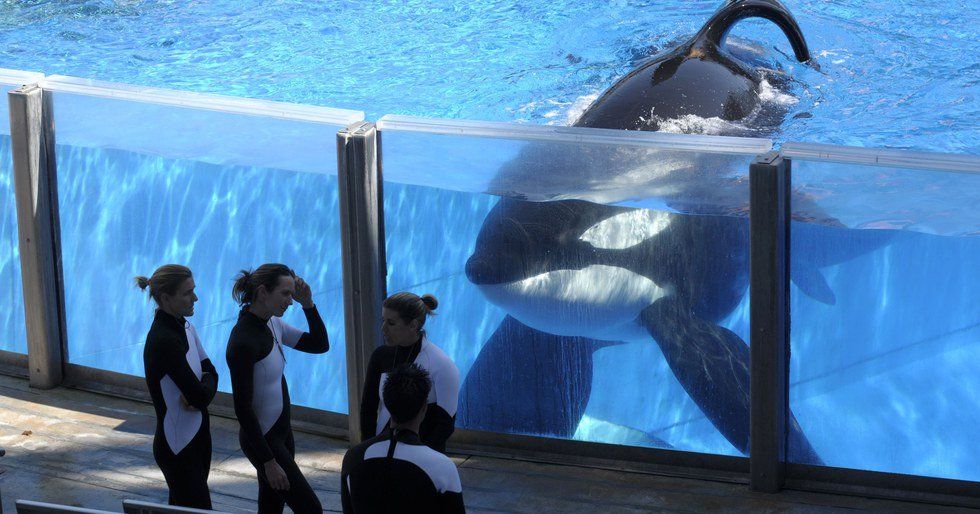
Many may also recognize Tilikum from the instance in February 2010 with trainer, Dawn Brancheau. After petting Tilikum on the nose, Brancheau turned around, and Tilikum grabbed ahold of her arm and began to drag her under the water and around the pool in front of a crowd of visitors. An autopsy revealed that Brancheau had suffered blunt force trauma to the head, torso, and neck, and she had ultimately drowned. Brancheau's death was the third that had occurred because of Tilikum. Tilikum was connected to two other deadly incidences in 1991 and 1999.
Many, including myself, were angered by SeaWorld's audacity to blame Bracheau for her own death. SeaWorld reported that Tilikum grabbed ahold of Bracheau's ponytail and dragged her under, hinting at the fact that her ponytail was too long, and it was her fault for being dragged under by Tilikum.
The Humane Society reports that since 1964, there have been four deaths and dozens of injuries occurred on behalf of orcas held in captivity. Through watching "Blackfish", one can see the multiple situations in which the orcas held in captivity shown aggression towards trainers through grabbing their limbs and dragging them under and through the water.
2. Captivity to them is like a bathtub to us
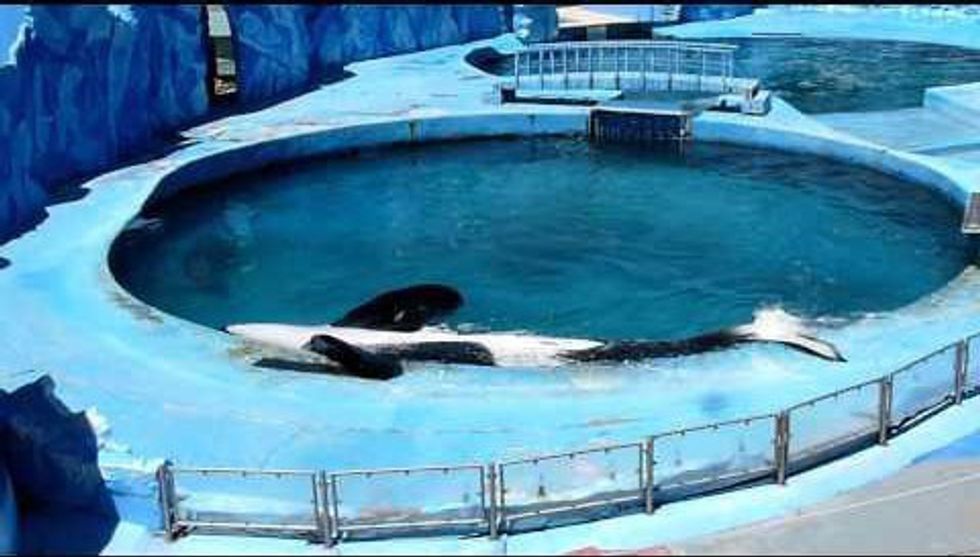
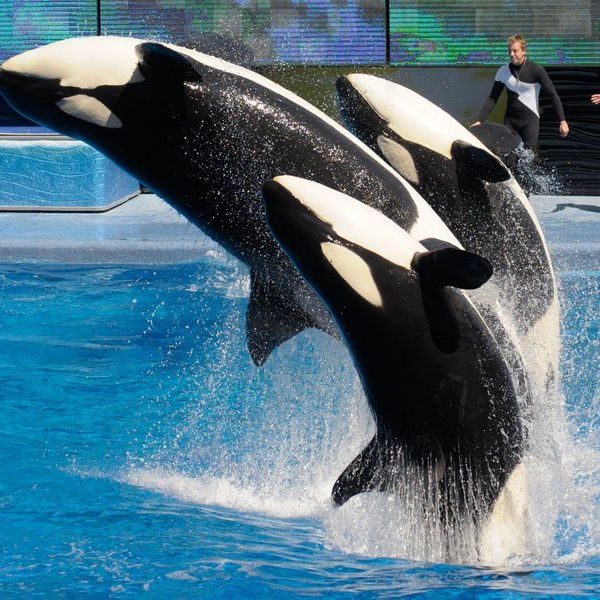
Orcas often are half, if not more, the size of the tank they are held in. Orcas normally swim up to 100 miles in the wild each day, and they would have to swim over 1,000 laps in their tank to satisfy how much they would swim in the wild.
In addition, when two or more orcas are placed in these small tanks, their aggression towards each other is increased and the whales start to become injured. So not only are trainers being injured and killed, but the whales are going after each other.
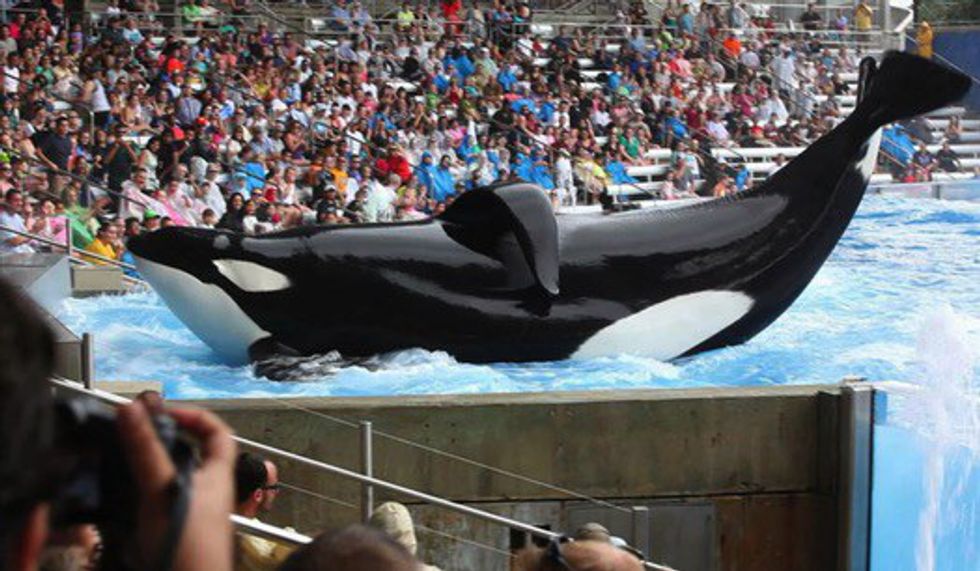
3. Collapsed dorsal fins are NOT normal
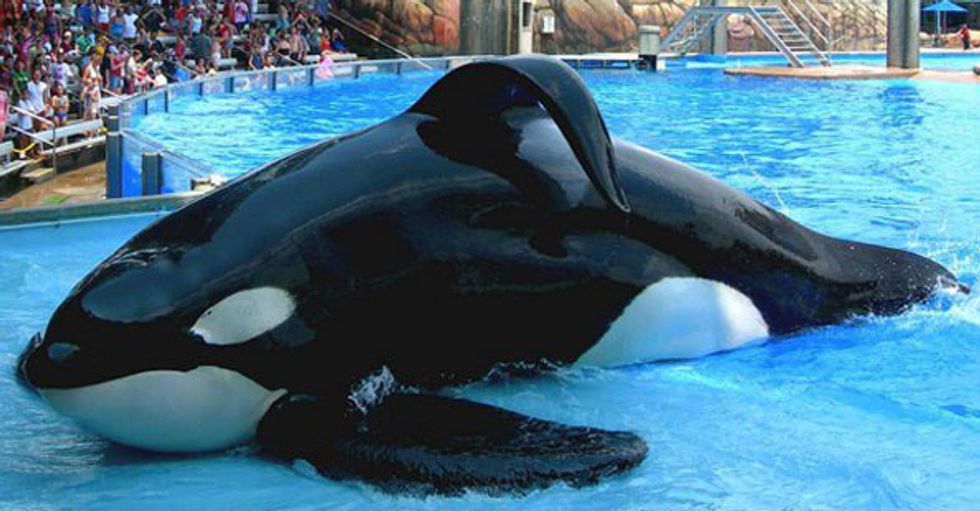
Wild orcas are used to swimming far distances at quite quick speeds. Dorsal fins that are perched atop orca's backs are not made of bone, rather they are made of collagen, a fibrous connective tissue. The far distances that wild orcas travel allow for high pressure to keep their fins healthy and straight.
Many theories point to captivity being quite harmful to the dorsal fins of orca whales. The limited area and low water pressure that these captive whales swim in don't allow the same support that those orcas in the wild get; thus, the dorsal fins of these captive whales begin to droop or collapse.
While SeaWorld claims that is is quite normal for a whale's fin to droop, regardless being held in captivity or being free in the wild, it is FAR less likely for a whale in the wild to experience a collapsed dorsal fin.
4. The orcas are experiencing premature death
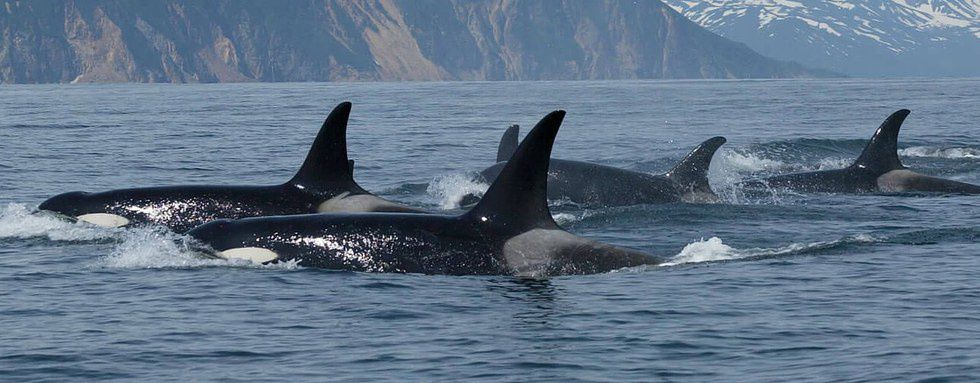
The National Oceanic and Atmospheric Administration says that male orcas live on average to be 30 years old, but they have the potential to live to 50 to 60 years old. Female orcas live on average to be 50 years old, but they have the potential to live up to be 100 years old.
SeaWorld claims that the average male orca lives to be 17, and the average female lives to be 29. The estimates are clearly vastly different, but SeaWorld continues to claim that captivity is not harmful to these whales.

This diagram presents some facts about Tilikum and wild vs. captive to provide some more information about the harm captive orcas go through.
In just this brief article, I hope you can all be inspired to watch "Blackfish" and learn about the lives of captive orca whales like Tilikum. If Tilikum had not been captured at two years old, three trainers may still be alive, and Tilikum would be swimming alongside his family living his life to the fullest.
Imagine spending 30 years of your life in a bathtub; even if it is a large bathtub, it still greatly limits your movement and chance to get the exercise you would outside of the tub. Imagine being fed food that is not natural for you to eat. Imagine being stuck in that tub until the day you die, not being able to live your life to your fullest potential.
This is the life that Tilikum was subjected to, thanks to Sealand and SeaWorld. Tilikum's death reminds us that orcas being kept in captivity for human entertainment is unhealthy and inhumane. Tilikum should have been released back into his natural habitat after the first trainer death, instead of blaming everything on the trainer who can no longer defend themselves.
Rest in Peace, Tilikum. You are finally able to swim freely again.