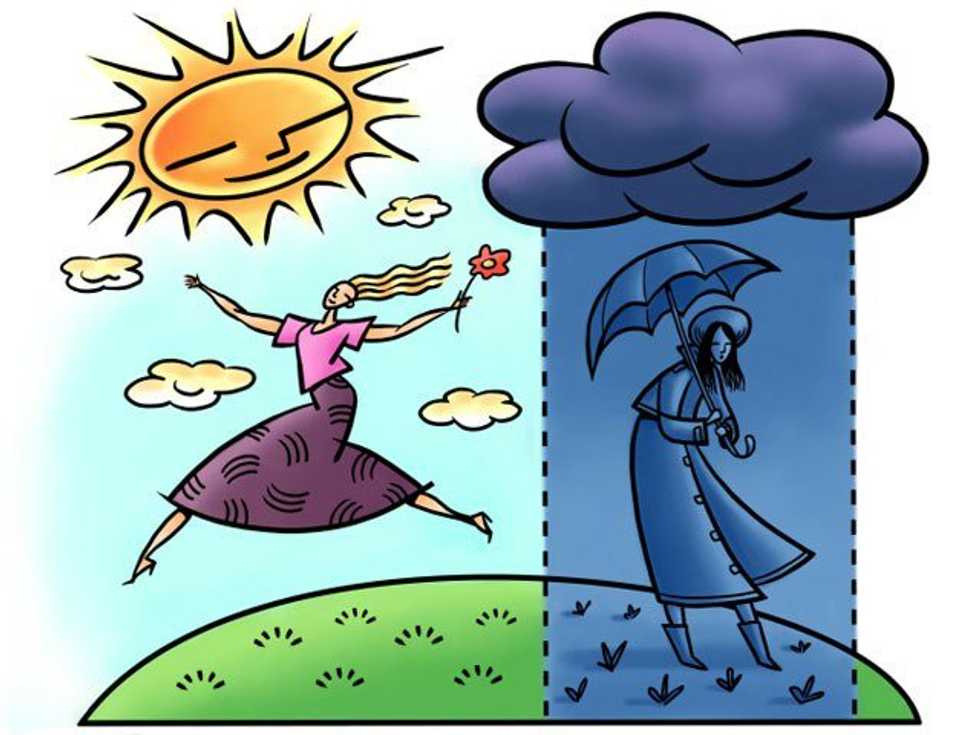
As the temperature drops and the days become shorter, waking up and getting out of bed becomes more of a chore and completing daily activities becomes increasingly difficult. There are endless complaints about the cold and wishes for it to be summer again.
"Seasonal affective disorder, or SAD, is a type of depression that occurs during the same season each year." Sometimes known as "winter depression," SAD affects your mood, concentration, eating and sleeping habits, and interest in everyday activities. What most people don't understand is it's more than just a strong hatred toward the winter.
Getting out of bed is difficult.
It is not because we are "lazy," it is because trying to gather the strength to get up and out of the warm blankets to face the cold temperatures is a true struggle.
Bundling up to go outside is torture.
While SAD has a greater connection to the lack of sunlight than to the dropping temperatures, the brisk wind and snowfall bringing chills to our bones is something we like to avoid.
Completing daily tasks isn't easy.
The shorter days and lack of sunlight provides less time to complete everyday activities. It is not because we lack motivation, it is because once the sun goes down, finding that motivation is almost impossible.
"But it's a mild winter" doesn't matter.
Just because some of us have been fortunate enough to not see any snow yet this winter doesn't mean we are growing more fond of the season. The sun still sets early and we still can't go outside without a jacket comfortably. However, that doesn't mean we can't appreciate the nice weather for this time of year.
We know we complain...a lot.
We are aware of the endless chatter about how we wish we lived in a warmer climate gets annoying. SAD and heightened anxiety can be connected, so getting frustrated with us as we complain only makes it worse.
We don't know how to ask for help.
Think about it, how can you ask someone to make you feel better when the only thing that really will is summer and warm weather? That doesn't mean you can't help. Encourage us to exercise, to get outside while the sun is up, or even take a trip with us to a warmer climate. Whatever you do, don't belittle our emotions or force us to partake in activities on our days off; sometimes staying in bed all day is what we need.
Everyone copes with SAD differently, so be patient and try to understand. To learn more about Seasonal Affective Disorder and how to treat it, check out WebMD or MayoClinic for more information.