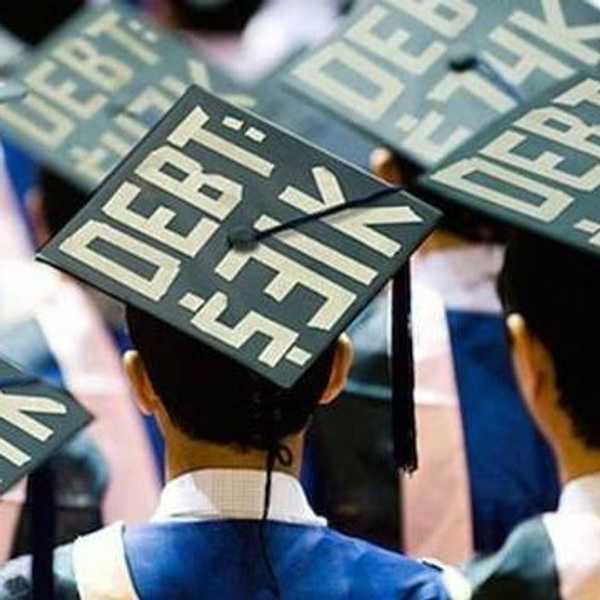

When our parents went to college, working as a lifeguard over the summer was enough to pay for tuition for the entire year. Aside from the overt racism and oppression, the 60s and 70s were a good time for higher education. The government could afford to subsidize education for people who wanted to continue it, but there were viable options for people who did not choose this path. In 2016, students and parents worry about their ability to pay for college. However, getting a college degree is as valuable as it is unaffordable.
Somehow, everything has changed since our parents went to college. Getting a degree became a necessity, and universities decided to up the price exponentially. The government would no longer pay for post-secondary education, so universities turned directly to the consumer: parents and students. College educations are valued in our society; they are essential for acquiring a higher-paying job. That is why people are more willing to take out private loans in order to pay for college. More people have degrees than ever before. Everyone else who interviewed for the summer internship that does not pay (*screams*) is also attending college. Everyone who will be applying for an entry-level position at that company went to college, and they probably did Habitat for Humanity, so you have no chance.
There are some people in Washington that are on our side. A huge advocate for higher education reform is Senator Elizabeth Warren. According to Warren, the U.S. Department of Education has been slow to condemn companies that have been overcharging students for loans. She states: “The Department of Education needs to get out and do its job on behalf of our students. …They don’t work for for-profit colleges. They don’t work for the debt servicers. They work for the American people and they work for the kids that are trying to get an education and are trying to pay off their student loan debts.” Sounds like the beliefs of many middle- and lower-income American students. But why do we even have to take out loans in the first place?
There are multiple reasons for the price of education rising. Colleges and universities today are basically businesses, hiring prestigious administration executives, updating facilities, and funding sports programs. The rising costs, especially for private colleges, is all in order to attract its consumers (students) to its business (education). Colleges and universities are all vying for a very specific type of student. One who is wealthy enough to choose their school based on things like amenities, location, and school spirit. So, if you did not follow through on your news year’s resolution, use this as inspiration to go to the brand new gym -- you’re paying a lot more for it than you think. Another reason for the high price is due to the additional staff related to student services. For example, your study abroad adviser, or the academic adviser that did not email you back -- Veronica, please! Many people see these jobs as essential, but many do not; there is much room for debate on this issue. But because being a study abroad adviser sounds like a pretty cool career option, I won’t bash it.
College is a wonderful place. You expand your mind, meet new and interesting people, and learn valuable life skills that will prepare you for a job in the real world. However, it’s hard to be so optimistic about higher education when so many college presidents are making well over $500,000 a year, with a substantial amount making over $1 million. University presidents are supposed to be the leaders in higher education, but their inflated salaries actually contribute to more economic hardship for students and less full-time faculty. According to a study by the think tank Institute for Policy Studies, academic institutions that pay their presidents over $1 million actually give out less scholarships, increase tuition more, and have less full-time faculty.
So there you have it, a little bit more insight into what your tuition dollars are actually going towards. However, it is important to understand the steep cost of education varies from school to school and is very complex. It is much easier to understand the huge amount of debt associated with four-year colleges. A lot of the blame for this lies within the government being unable to cover costs, and that is why student loan debt is a hotly debated issue. Here are the candidates' views on the issue:
Hillary Clinton:
- “Ensure no student has to borrow to pay for tuition, books, or fees to attend a four-year public college in their state.”
- “Enable Americans with existing student loan debt to refinance at current rates.”
- “Hold colleges and universities accountable for controlling costs and making tuition affordable”
Ted Cruz:
- To be quite honest, I am very confused with the website, there does not seem to be a concrete college plan platform.
- I found a lot about Ted’s college roommate hating him.
- Please call me, @Ted Cruz, so I can update this section.
Bernie Sanders:
- “Make college tuition free.”
- “Stop the federal government from making a profit on student loans.”
- “Substantially cut student loan interest rates.”
- “Allow Americans to refinance student loans at today’s low interest rates.”
- “Allow students to use need-based financial aid and work study to make college debt free.”
- “Plan will be fully paid for by imposing a tax on Wall Street speculators.”
Donald Trump:
- Two words: Trump University