Red blood cell count lessens in anemia, a blood condition (RBCs). Hemoglobin is a protein that delivers oxygen throughout the body and causes anemia. The most prevalent blood ailment in the west is anemia, which can either have a wide range of symptoms or none at all. You can have a home blood test to detect anemia.
Some typical symptoms include headaches, shortness of breath, and exhaustion. Anemia comes in various forms, each with a unique set of potential causes. Usually, inadequate production of healthy red blood cells increases RBC oxidation or blood loss resulting in anemia. A home blood test is essential to diagnose anemia and identify its underlying cause correctly.
You will discover more about anemia and how the anemia test functions in this post. Additionally, you will learn the most popular inquiries about anemia. Anemia can be identified and diagnosed by routine medical exams and blood tests, and people with moderate cases and fewer symptoms may find out about it.
Testing for diagnostic anemia can reveal whether red blood cell depletion occurs in persons who exhibit symptoms. One can identify the kind and cause of anemia with the help of a thorough blood study, and most tests demand a blood sample because anemia is a blood disorder.
But to rule out other potential causes, medical professionals might need to conduct more tests. Most likely, your doctor will inquire about your health and family history. To identify anemia, they will do a physical examination, complete a blood count (CBC) test, and a measurement of the exact size and precise shape of your red blood cells.
What Is Anemia Blood Test Used For?
Iron deficiency a variety of methods and tests are used to detect anemia. They can aid in the verification of a diagnosis, the hunt for a cause, and assessing the condition's severity.
A crucial step in the anemia home blood test process is the complete blood count (CBC). It can identify the existence of anemia and is widely used to diagnose health issues as part of periodic checkups.
The CBC counts the blood's blood cells and measures its hemoglobin content. Your doctor could recommend additional tests based on your CBC findings, your symptoms, and your medical history.
What Is The Anemia Blood Test Process?
Most individuals don't need comprehensive testing, although additional tests can help identify the kind and cause of anemia. Your physician is to advise on which tests suit your case. The various tests your doctor might suggest you take are listed below.
Complete Blood Count (CBC) Test
Hematocrit and hemoglobin levels are assessed using this home blood test. Red blood cells include a protein called hemoglobin, which is iron-rich and carries oxygen throughout the body. Hematocrit, on the other hand, quantifies the volume that red blood cells take up in your blood.
Anemia is typically characterized by low hematocrit or hemoglobin levels. The CBC also calculates the number of platelets, white blood cells, and red blood cells in your blood. Atypical results can point to an infection, a blood disease, or another problem.
The CBC then looks at the mean corpuscular volume (MCV). MCV is a metric that gauges your red blood cells' typical size. The outcomes might reveal where your anemia originated. Iron deficiency anemia, for instance, frequently results in smaller-than-normal red blood cells.
Reticulocyte Count
This test determines the number of reticulocytes in your blood. Red blood cells that are reticulocytes are immature and youthful.
Over time, reticulocytes develop into mature red blood cells that distribute oxygen throughout your body. A reticulocyte count assesses your bone marrow's capacity to produce red blood cells.
Peripheral Smear
For this specific test, a specimen of your blood is examined under a microscope—iron deficiency anemia results in smaller, paler-than-normal red blood cells.
Tests Measuring Iron Levels
These tests can reveal how much of your body's iron reserves are used. The following tests can be used to determine iron levels:
Serum Iron.
This examination finds out how much iron is in your blood. The iron level in your blood may be average even if your body's total amount is low.
Serum Ferritin.
A protein known as ferritin helps the body store iron. Your doctor can determine how much of your body's stored iron is used by measuring this protein.
Transferrin Level or Total Iron-Binding Capacity.
Iron transports through the blood protein transferrin. Your total iron-binding capacity is measured by how much your blood is not transporting iron. A high level of iron-free transferrin indicates iron-deficiency anemia.
Other Tests
Additionally, your doctor could suggest that you undergo tests to measure your hormone levels, particularly your thyroid hormone. It may also be necessary to perform a blood test for erythrocyte protoporphyrin, a part of hemoglobin.
How to Prepare For an Anemia Blood Test?
You will need to wear a short-sleeved shirt to make it easier to draw blood for testing. Before a CBC or any other anemia-related test your doctor may request, you can typically eat and drink water. However, your doctor might insist that you fast before the test for a specific period. It is typical for the blood sample to be used for additional testing. Before the test, your physician will give you all the necessary instructions.
Before The Test
A hemoglobin test doesn't require special preparation; typically, it simply requires a few minutes.
During The Test
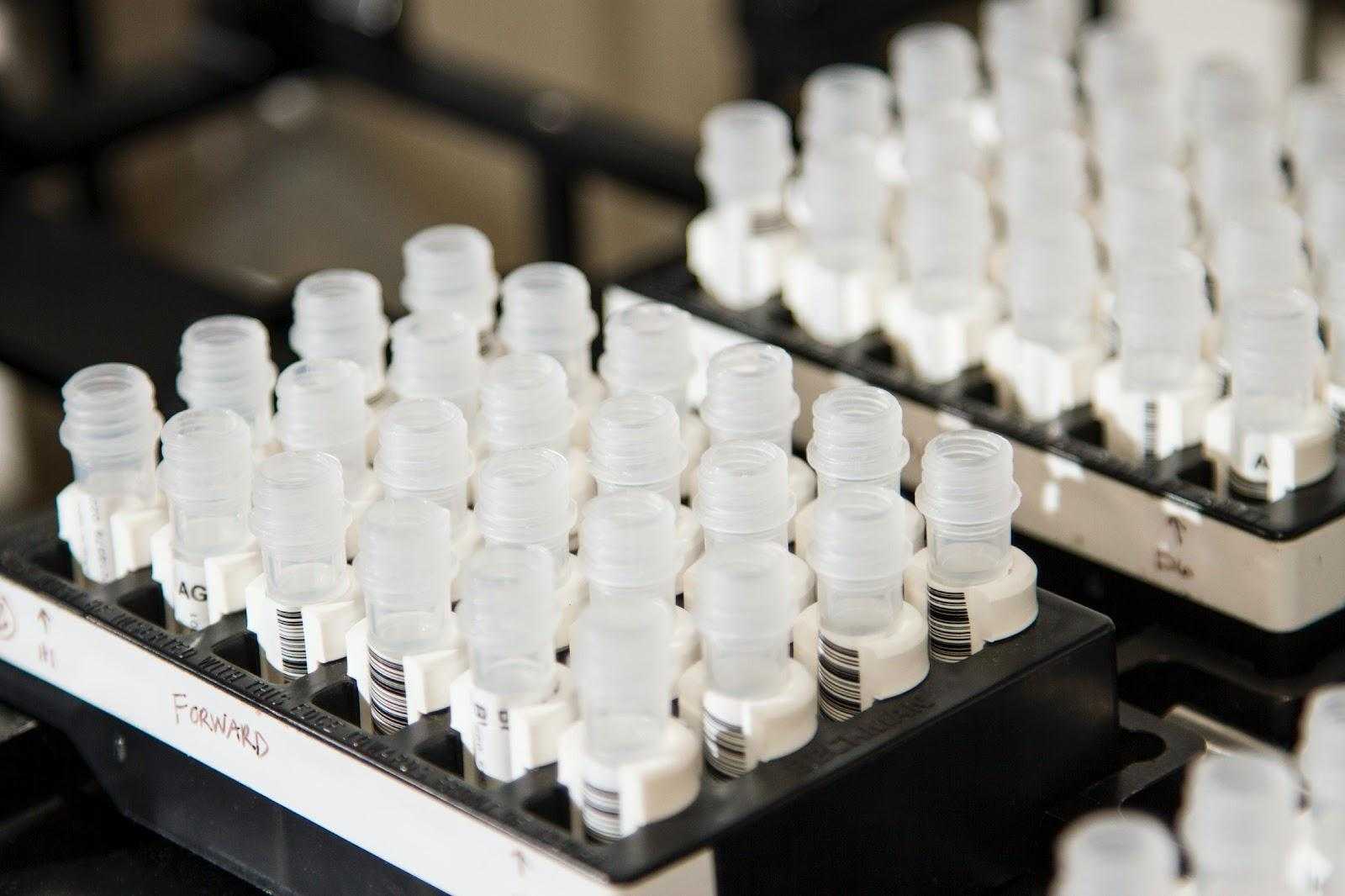
The medical practitioner will swab the nearby skin with alcohol before taking blood. They will place an elastic band around your upper arm to encourage blood flow and tell you to create a fist. Your blood will then be drawn, collected in a small vial or vials, and transported to the lab for testing.
After The Test
The region close to the puncture may appear bruised or swollen for a few days. The blood test for anemia carries minimal risk. Most of the time, there won't be any visible adverse effects.
How Often Should I Have An Anemia Blood Test?
After receiving a diagnosis of anemia, you must follow your treatment plan. Your doctor could suggest additional follow-up care and lifestyle modifications prevent problems. They will inform you when your subsequent anemia blood test is due in accordance.
Only discontinue using your supplements and prescriptions after first seeing your doctor. If you experience a rancid metallic taste, nausea, vomiting, diarrhea, constipation, or an upset stomach, speak to your doctor immediately. Your doctor can offer substitutes, like taking your iron supplement with food, reducing the dosage, or trying a different medication.
If you want to resume your normal activities, talk to your doctor. You should proceed with caution when returning to some activities, such as physical activity if you have anemia because it can make you feel weak. Older adults, who are more likely to fall, should take extra care when starting activities again.
The Final Words
For most anemia tests, blood must be obtained using a needle from your arm or with a finger prick. Regular blood tests can identify anemia, or your doctor may order one if you exhibit symptoms.
If you are receiving treatment for anemia, you may be required to undergo follow-up tests to gauge how well the medication is working. Anyone with anemia symptoms or concerns about this condition should speak to their doctor.