
Every four years, millions of people all over the world tune in to watch the Summer Olympic Games. Whether it's cheering for your favorite athletes or marveling at the Opening Ceremony festivities, it’s easy to get caught up in the excitement of the Olympics. However, this summer’s Olympic Games has a new competitor vying for our attention: the Zika virus.
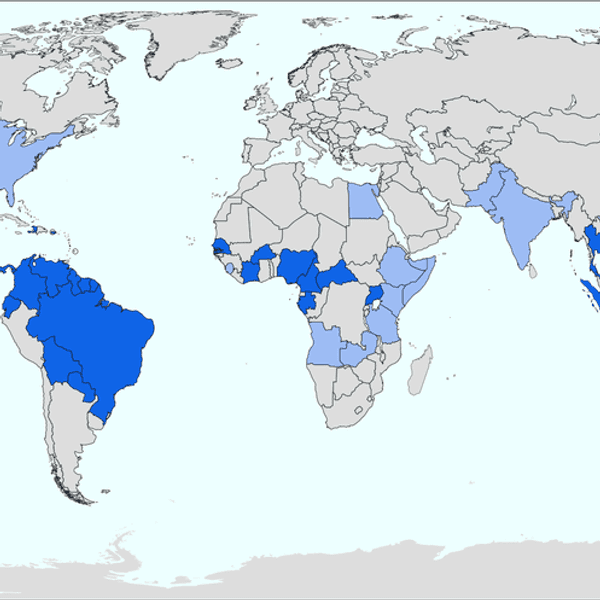
Zika, a virus highly concentrated in South America and Sub-Saharan Africa, has begun to spread rapidly to countries across the world. Symptoms are usually mild, but reports are now showing a potential link between Zika and birth defects, including microcephaly (which is associated with delayed neurocognitive development and decreased life expectancy). In February, the Zika virus was declared a “public health emergency of international concern” by the World Health Organization, and the number of cases has only risen since.
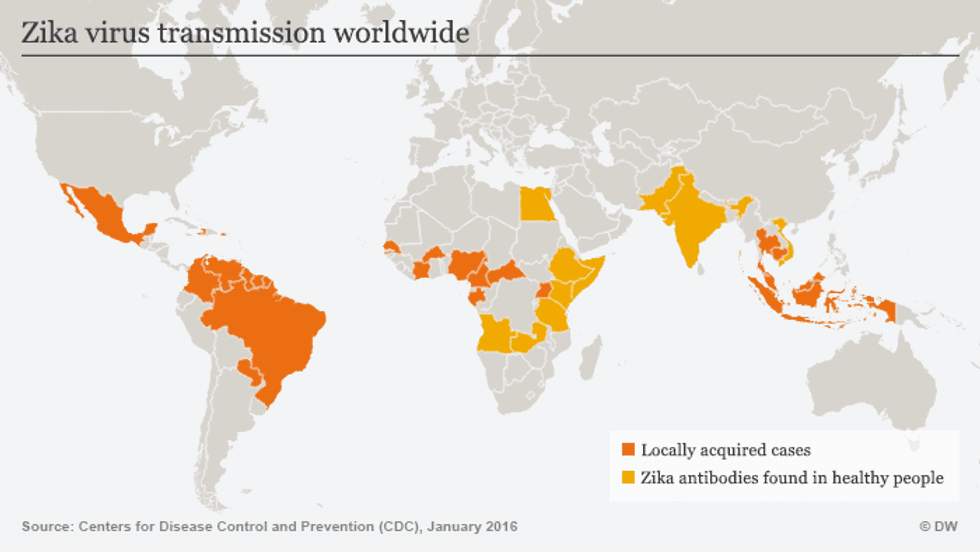
The mosquitoes that transmit Zika breed in tropical regions, and because the Olympic Games are set to take place in Rio de Janeiro, Brazil, there has been growing concern over the safety of the athletes who will be competing there in August. On the plus side, a minister of WHO stated that “the risk of infection will be considerably reduced” during the Rio Olympics because August falls within the southern hemisphere winter (meaning there will be fewer mosquitoes). But the same minister nonetheless considers the situation “very worrying.”
The International Olympic Committee has made some efforts to ease concerns, assuring competitors that there will be routine monitoring and daily inspections of the facilities. Brazil’s health ministry is even going to create an app that will provide information on “preventing the mosquito-borne illness, help users determine if they are exhibiting symptoms and if necessary direct them to the nearest hospital or pharmacy.”
Great, but Zika aside, simply competing in tropical conditions may present challenges for competitors. Many athletes struggle to acclimate to the warm weather and high humidity, and their performance often suffers because of it. Recall the 2014 FIFA World Cup in Brazil, in which various soccer players experienced severe leg cramps mid-game from playing in temperatures reaching above 90 degrees Fahrenheit. Considering the prevalence of Zika in Brazil, the virus is just one more health concern that these competitors will have to worry about.

And to make matters even worse, the Zika outbreak comes at an especially unfortunate time for Brazil. Political turmoil and corruption continue to shake the country, and the nation's economy is suffering from its worst recession in decades. Brazil could financially benefit from hosting the Olympic Games, but the threat of Zika isn’t exactly boosting ticket sales; sales have actually slowed substantially since the outbreak.
Allegedly, there has been no discussion of changing the location for the Summer Olympics. With construction of the various athletic facilities already underway in Rio, it would certainly be difficult to suddenly change the Olympic venue. But if Zika continues to spread at the current rate, anything could happen between now and August. Let’s just hope that Zika gets a little more under control within the next few months, so that the only thing the Olympic athletes will have to focus on is bringing home some gold medals.