I am a psychology major at Kalamazoo College, and my studies thus far have motivated me to learn as much as I can about the human brain and its many psychological experiences. Furthermore, I will dedicate my future to mental health work in order to erase the stigma around mental illness and better the lives of countless individuals battling psychological trauma each and every day of their lives.
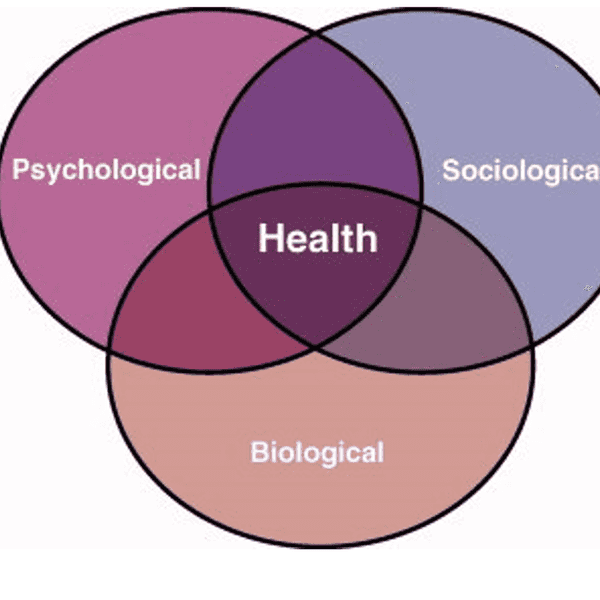
Despite my motivation, I am frustrated by the lack of respect that I've encountered towards mental health work. I am further frustrated by the complete disregard for how serious the consequences of mental illness are — physiologically, emotionally, psychologically, socially, etc. Ultimately, I am disappointed in people who are unwilling to engage in a productive dialogue about just how necessary mental health care is for the American people.

Every ounce of who you are is manifested in your brain and your mind, so why is there so little initiative for us to treat them well? We show so much concern for patients suffering from severe bodily injuries and we continues to show them reverence as they strive to recover. Why don't we show similar concern for patients suffering from debilitating major depressive disorder? From cripping anxiety? From PTSD? From bipolar disorder? The list goes on and on and the result seems to be the same across the board. There seems to be an abundance of empathy for those with clear, observable physiological conditions, but as soon as it's something we can't visualize, something that's not a part of our personal realities, we become quick to dismiss.
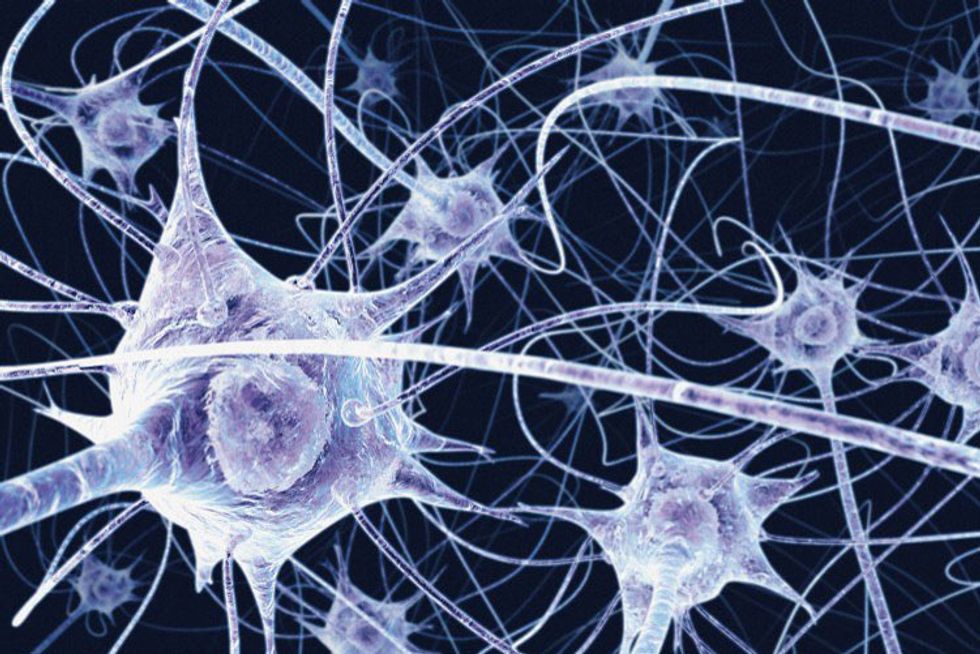
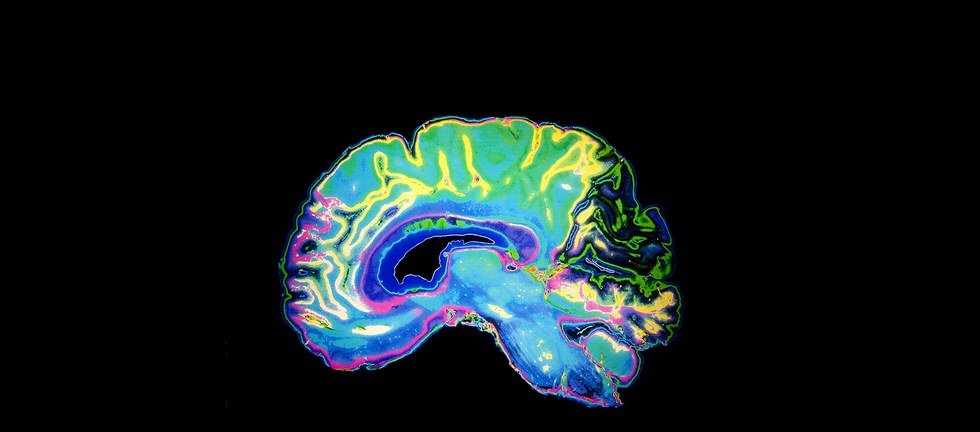
Do your research, people. Look into the work that has been done by brain imaging technology. Look into the reality of what psychopharmacology can do. Look into how effective emotional and cognitive therapies are. Think about how many people could be living more fulfilling lives if only our society valued our brains the same way we valued our bodies. You cannot say that psychological disorders can be overcome if the person just "tries hard enough." You wouldn't say that to a person with a broken leg who has trouble walking or a person with a cardiovascular disease who has trouble breathing. Mental illness is a compilation of physiological, environmental and developmental influences that alter the physical and cognitive functioning of our brains. Just because mental illness is complicated doesn't mean it's not worth understanding.
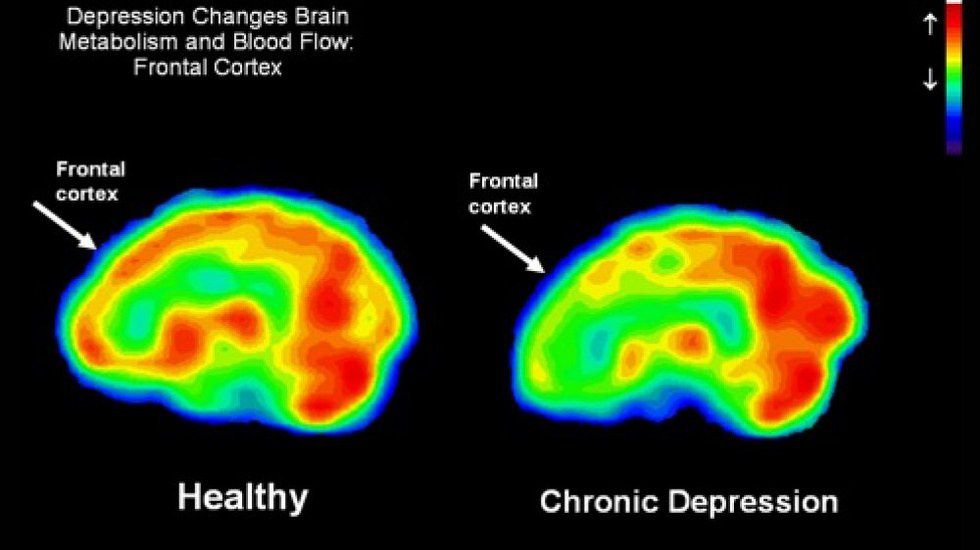
When we talk about placing such a high emphasis on the health sciences as a career field, let's also realize which aspects of health we're excluding and how many people we're dehumanizing.