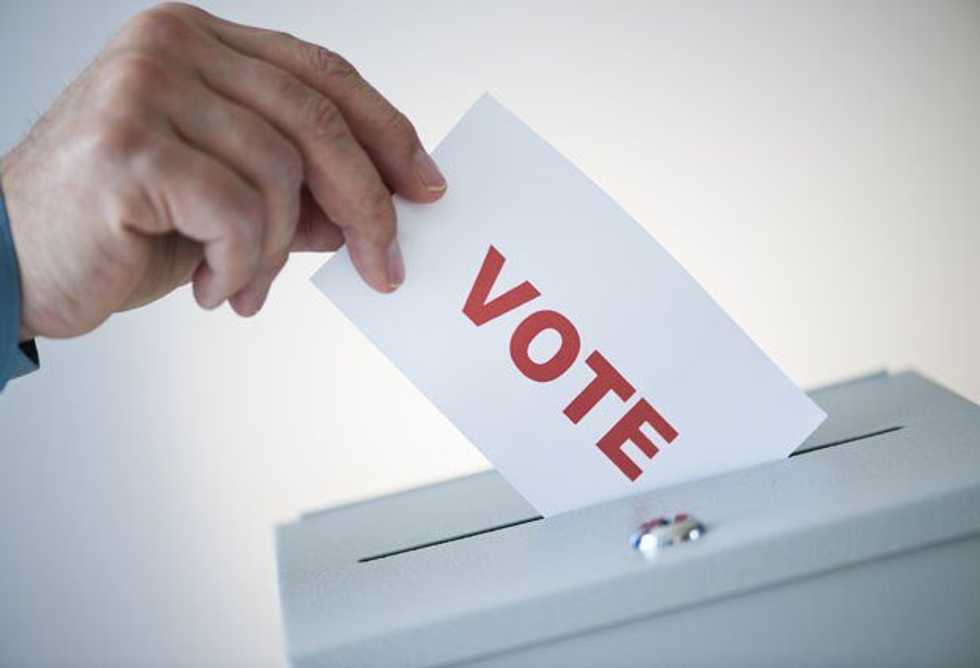
Now that we’re finally in an actual election year, despite the fact that it seems to have been going on for approximately 19 years, there’s going to be a lot happening in the next few months. Friends and family may want to ask you who you plan on voting for come November, and you may or may not want to tell them. Who you choose to vote for is a very important decision and one that you should make on your own. You shouldn’t let your family or friends tell you who you should or shouldn’t vote for, but this isn’t about that.
In an election cycle dominated by Donald Trump, things have not been as civil as they could be. Mr. Trump has insulted entire ethnic and religious groups and has gone after opponents within his own party with extremely personal attacks. With the very strong feelings many of us have, it can seem like a personal attack when somebody we know says something negative about the candidate we support, but it doesn’t have to.
This approach has two aspects: being civil to each other and trying our best to separate ourselves a bit.
Separating ourselves from our political opinions may seem easier said than done, I know, but it’s a good way to make this election cycle a little less terrible. I want to make it clear, I’m not saying we can’t be passionate about politics—we absolutely should. I’m just suggesting that a good way to improve all of our lives is to not take it as a personal offense if a family member supports a different candidate than we do. A really cool thing that some people don’t seem to understand is that we don’t have to agree on every political issue. It’s totally OK if we don’t. In fact, we can still be friends even if I like Bernie Sanders and you like Marco Rubio!
Now comes the part that should be the easiest bit, but for some reason isn’t. Let’s be civil. Please. If you’re voting in a primary or the general election, you are an adult. I don’t care if you think Hillary Clinton is the worst thing since putting water in your cereal or if you think Ted Cruz is the Zodiac Killer, you don’t need to then personally insult someone who supports a candidate you don’t like. If they’re OK with it, have a discussion about it, but resorting to personal attacks makes your argument seem weak.
I want to emphasize that we should all be passionate about politics. If we are passionate about politics we have higher voter turnout and the person that wins the election will more accurately represent us. You don’t even need to talk about politics if you don’t want to—that’s totally OK, too. Keep your opinions to yourself if you so desire. The point is that I have faith in our ability to have discussions about politics. I think we can all be respectful and civil and learn to not take disagreements so deeply to heart.
Go by this rule: If Donald Trump would yell about it, maybe think twice about saying it to your coworker who likes Trump/Clinton/Cruz/Sanders.