


In one week, social media has been ablaze with posts about Jimmy Carter and Fox News, both outrage and support over the de-funding of Planned Parenthood, countless posts about Sandra Bland, police brutality, the Confederate Flag and movements such as #BlackLivesMatter. If nothing else, it seems my social media feeds have shown me that our generation is incredibly opinionated about the society in which we live.
Nowadays, it seems my entire newsfeed is nothing but political and socially active posts. I found out about the Supreme Court decision striking down same-sex marriage bans, the controversy surrounding Sandra Bland, the “Trainwreck” shooting in Louisiana—as well as those at Sandy Hook, Aurora, and Charleston—all through posts on Facebook. Social media is one of the largest ways our generation spreads news and opinions on politics, and I know this because I am one of the worst offenders.
Every day I share at least three posts from my favorite politicians, reporters, and political commentators, and I’m still not sure why “The Daily Show” has yet to pay me, as my profile is essentially free advertising for Jon Stewart.
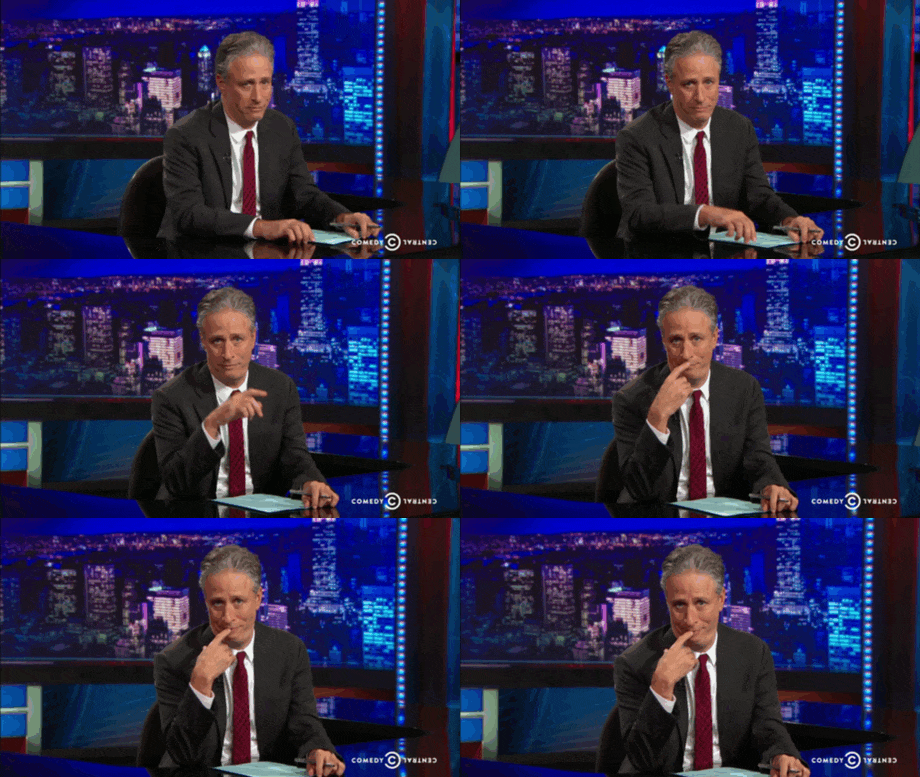
Jon, you can make my check out to "Cash."
I like, forward, retweet—you name it—anything that fits nicely into my version of the American Dream. I am quick to judge posts that oppose these views and use the comment section to let the authors know exactly how and why they are wrong and I have—on more than one occasion—debated for hours on Facebook, quickly researching and cited articles to back me up. In my online debates, and I have even conspired with friends, via private messages, over strategies on how to team up for a comment-section debate.
For many millennials social media is something that has been encoded in our generation’s D.N.A. I had my first Xanga page when I was 11 years old. From there, I graduated to Myspace and moved on to Facebook. Now, I use even more networks like Twitter and Instagram, and my story is in no way unique. Social media is a part of our very identities: it’s how we know who at a party is single, it’s how we know what our friends had for dinner last night, and it’s how we know which of our friends are weirdly into cats.
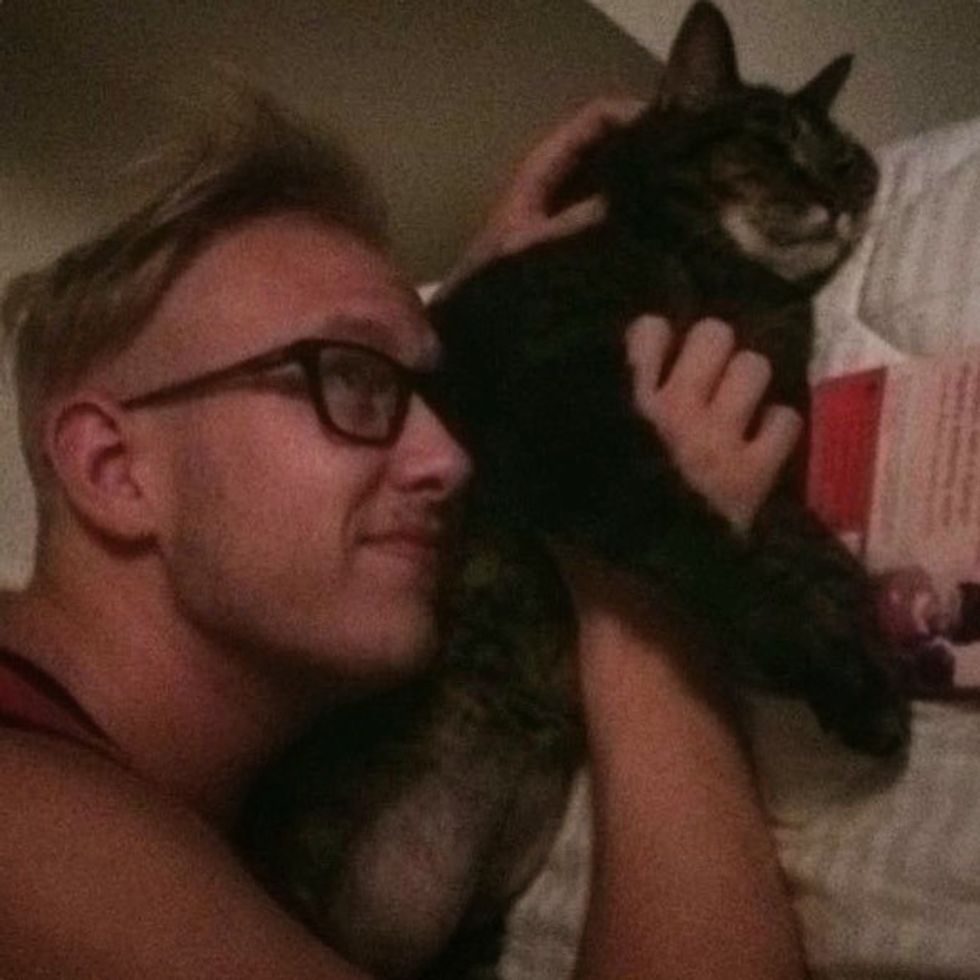
That's me above being one of those friends.
When our relationship statuses, diet and exercise routines, and our preference in every cat person vs. dog person debate is so easily shared and broadcast to our peers, it should come as no surprise that our political ideologies would follow suit.
What may come as a surprise, however, is that, as opinionated and politically active as our generation may be, in 2012, only about 49 percent of the under-30 crowd voted in the presidential election.
This forced me to ask myself what I had done. I tried to tell myself that I was adding my voice to the conversation, that I was sharing my ideas with my networks in order to spread the word about whatever politically pressing issue was important. And I was doing all this in the hopes to help my cause and to change people's opinions.
But I also do this because it’s extremely easy. Pressing a “share” button on Facebook takes absolutely zero effort, and it’s not as if hitting “share” and typing a quick paragraph is much more difficult as that may take up to five minutes, max. Getting into long debates in the comments section may take upwards of a few hours, but I can only name one time when someone conceded and said I was right. In addition, if you can do something in your underwear while eating pretzels—my preferred M.O.—it probably means it isn’t too taxing in the long run.
This is not to say that our generation doesn’t matter in the scheme of things—quite the opposite. In 2012, the under-30 vote was the determining factor in electing Barack Obama. Without this vote, Ohio, Pennsylvania, Virginia, and Florida—and thus, the election—Would have gone to Republican candidate and Massachusetts governor, Mitt Romney and that margin was even larger the first time Obama ran for the presidency in 2008.
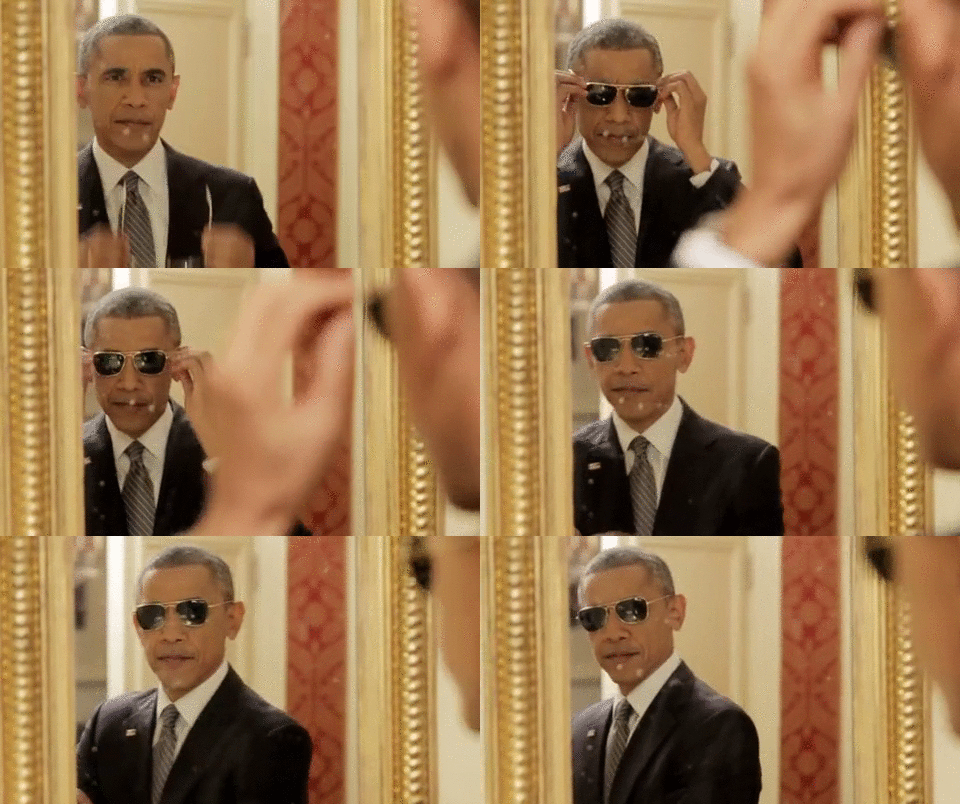
I like to think we all had a part in this.
Statistics like these have inspired me to get involved in the campaigning this time around. I have signed up to volunteer in the county, state and online sectors for my candidate, have attended meetings and am currently in touch with the campaign on a national level in order to try and volunteer and spread the word: for realsies, this time. And I encourage everyone in our generation to do the same.
It is for this reason that I have compiled a list of the top contenders for president (the top two Democratic candidates and the top two Republican candidates) and links to their volunteer pages and their contribution pages. In the hopes that some of you will get involved with the campaign beyond simply clicking a few buttons.
Our generation can do incredible things to shape our political landscape. If half of our votes could elect a president, then think of what could happen if 80, 90, 100 percent of our voices went to organizing the campaign itself. Our generation could completely change the nation. Preaching on Facebook might be easy, it might even bring a sense of accomplishment, but when it comes to actually electing an official, it might not be enough.
The Democrats
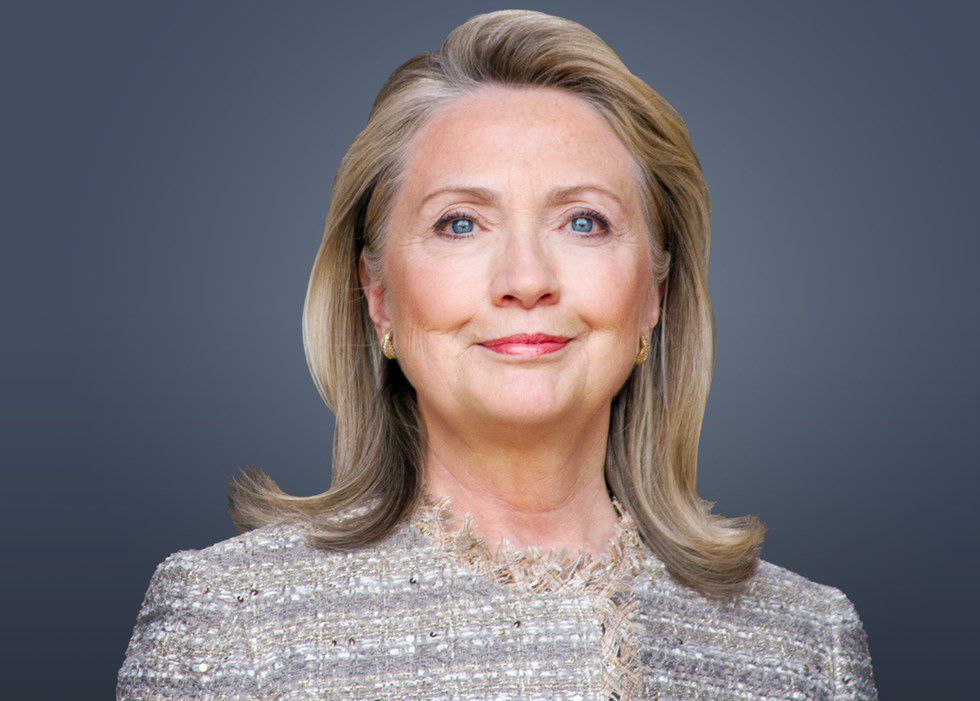
Hillary Clinton
Hilliary Clinton is the current frontrunner for the Democratic nomination and has the highest polling numbers of any of the candidates.
Here is her volunteer page and her campaign contribution page.
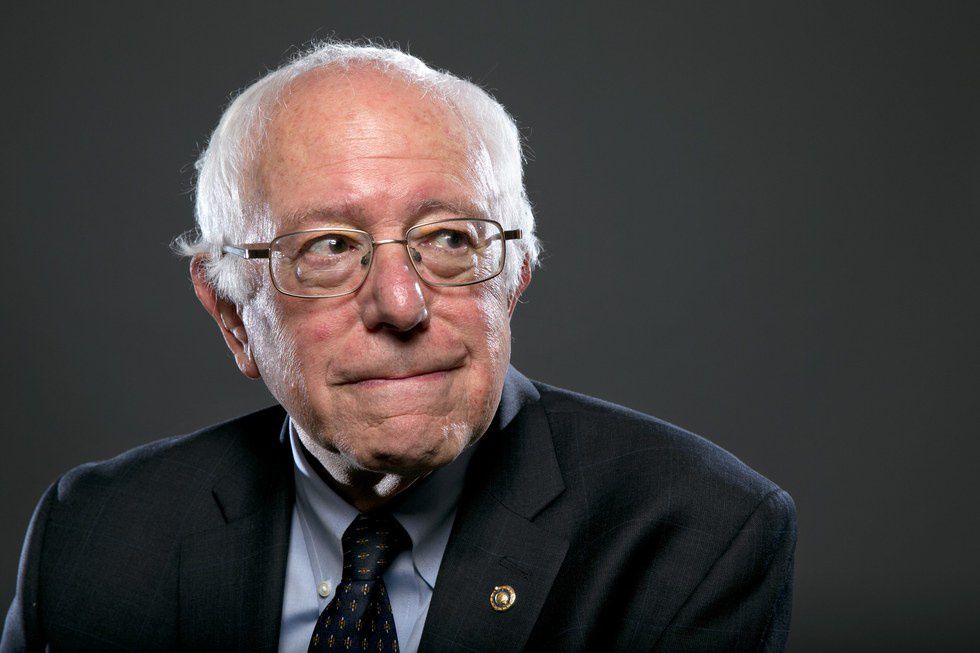
Bernie Sanders
Originally written off as a long shot, Sanders’ poll numbers have risen dramatically. Here is his volunteer page and his contribution page.
The Republicans
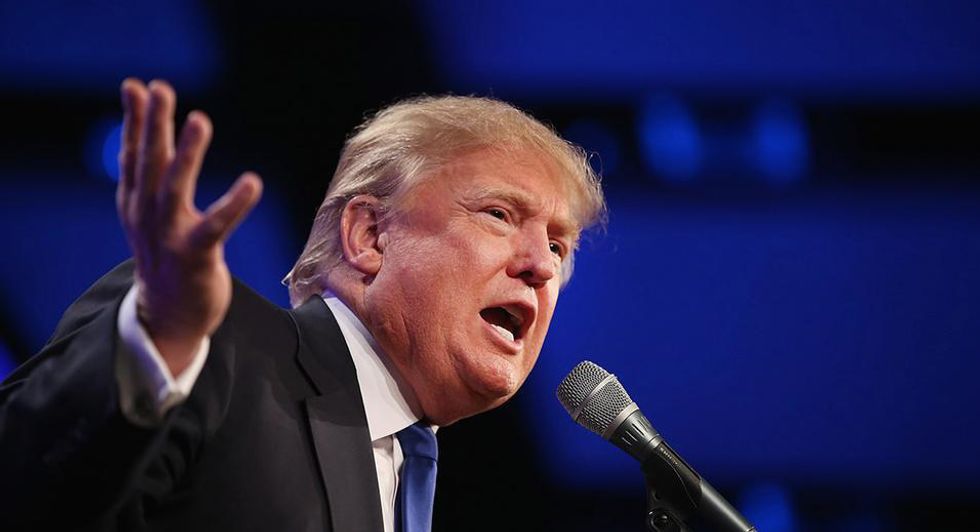
Donald Trump
T.V. star, business mogul, billionaire and self-proclaimed military genius, Donald Trump is—for some reason, I’m sure—running for president. And I must admit his poll numbers are indicating that he apparently appeals to someone. If you are one of those people, you can get involved here and you may contribute here.
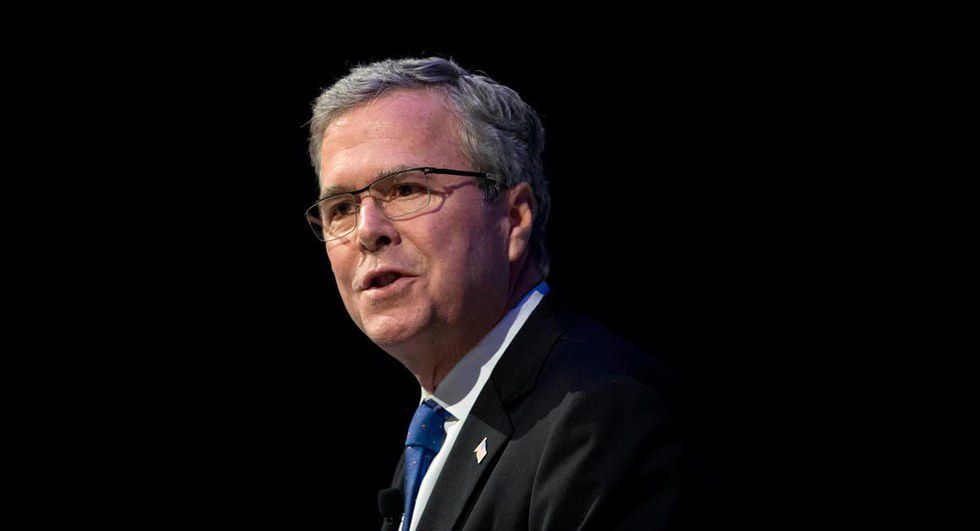
Jeb Bush
They do call the election a race, and the Bush family is going for the triple crown and Florida Governor Jeb Bush is currently polling at second place in the republican primary.
If you are #AllInForJeb (which I swear to god is the largest thing on his home page), find out how you can volunteer here or make a contribution here.
In November of 2016, only one candidate will be elected president and it’s up to that candidate’s campaign and voter base to make sure they get there. If your candidate of choice doesn’t get elected, perhaps they would have if more of their supporters took to the streets, canvassing neighborhoods, making phone calls and T-shirts and drumming up support. And if your candidate does get elected, congratulations, you just took part in American democracy. You may now say, “I voted for them.” But wouldn’t it feel even better to say, “I campaigned?”

















