

Recently, ESPN pubished a long feature about University of Pennsylvania track and field star Madison Holleran who committed suicide in January of 2014. While the author focused the feature on Maddie, a recurring theme throughout the piece was that appearances seldom mirror reality. A few minutes before her passing, Maddie posted a photo of a beautifully lit courtyard, almost ethereal in the early evening. I remember that evening well; I was up late Skyping my long distance boyfriend who happened to live in the same dormitory as Maddie. He had left to use the communal restroom, and when he returned a few minutes later than expected he told me that a girl he knew had been found dead. Residents of the hall were suspecting that she had been mugged while she was out for a run. It wasn't until later that they all knew what had actually happened. It was so unfathomable that it did not even occur to them that she could have leapt over the rail on the roof knowingly.
To look objectively at Maddie's life, it seemed as though she had it all. She had gotten into her incredibly selective dream school, she was beautiful, she had a great family life, good childhood friends, a best friend at school. On social media, she was playing tennis with her father and watching professional matches. She was running and she was smiling with friends and she was vibrant. On the inside, she was disappointed with Penn and couldn't see past college. She was disappointed with her performance academically and athletically, though both were outstanding, particularly when considering where she was going to school. She believed that her friends at other prestigious schools were not struggling like she was because on social media they looked just as she did: happy, well adjusted, and thriving. Despite them sharing their struggles with her via text messages and phone calls, she did not feel like she was doing well enough. Nothing was ever good enough. She sought perfection, and broke when she found it unachievable. She refused those offering to help her, refused her father who suggested they drive to UNC or Vanderbilt and enroll her there instead. (This is impressive in its own right—to be sought after enough to know you could transfer to another elite institution without difficulty). “Help! No, no more help," she wrote in her last diary entry.
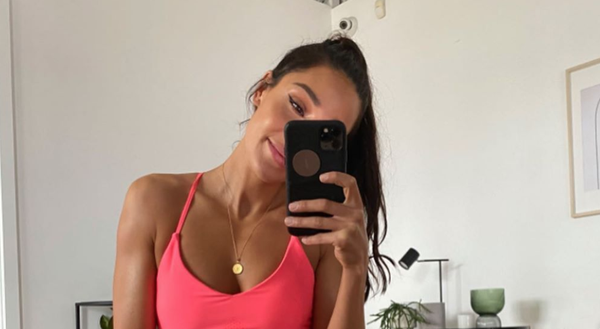
How does this happen? How do we become so wrapped up in appearances that we forget to live? We each have our every day selves and the “best versions of ourselves." In this context, the “best versions of ourselves" are the ones who do our hair and make up everyday and have slim waistlines and have lots of different friends with whom to be photographed and have lots of disposable income (or at least wealthy parents) to go to foreign countries and play with monkeys or ride elephants or pose in front of ancient monuments. More often than not, those people don't actually exist. Not every day can be a fairytale. Yes, there were wonderful days this past school year that I spent surrounded by friends with my hair made perfectly voluminous and my make up artfully applied, but there were far more that I spent at home working on homework or lying in my bed scrolling through Pinterest or Tumblr for hours on end while eating microwavable chicken nuggets in my underwear. I do not have to tell you which of those days are featured on my Instagram.
The version of your friend looking like a model while standing on a platform so it looks like she's holding the Louvre Pyramid with her fingertips is fleeting, existing only for a moment but immortalized by an iPhone and an app that is as dangerous as it is fun. Life isn't glamorous. Instagram is essentially a highlight reel for our entire lives. We post the good parts, and we usually do not let it be known in any way that there are any bad parts. I know that, your friend with 3,000 Instagram followers knows that, and you should know that too. Because at the end of the day, it's better to know this now than to figure it out the hard way.