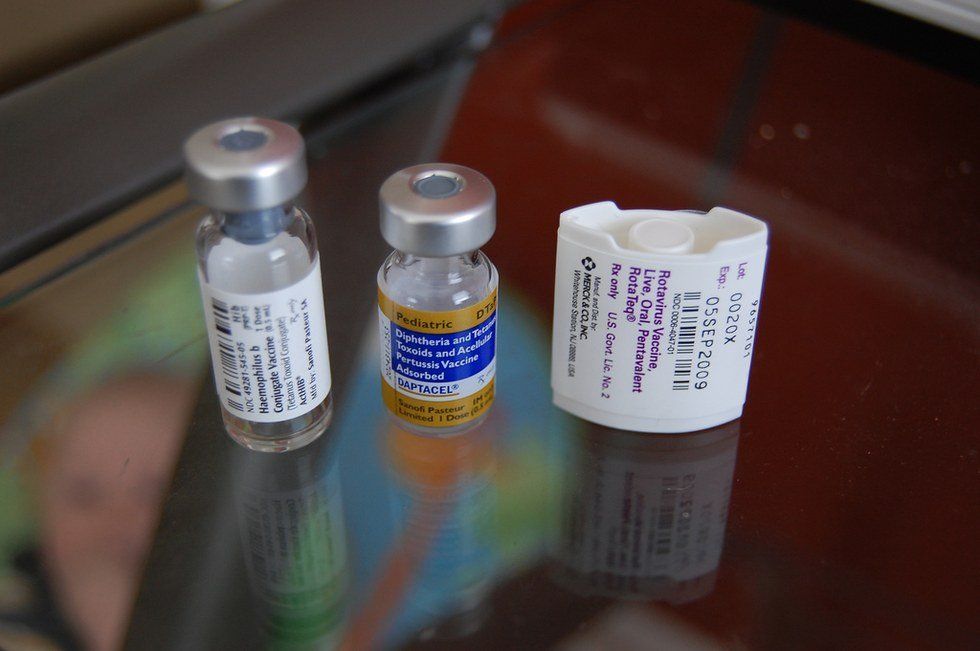
Vaccines are considered by the healthcare community to be one of the modern medical miracles of humankind, yet today, there is a growing population of people who are not having their children vaccinated. Currently, there are 16 vaccines used to prevent common, preventable childhood diseases such as polio, diphtheria, and measles. These diseases paralyze and even kill young children at alarming rates, and up until about 15 years ago, they had become almost nonexistent in the United States. Who are these people who are turning their backs on science and refusing to have their children protected against these dreaded diseases, what motivates their decisions, and what are the implications these decisions will have on society at large?
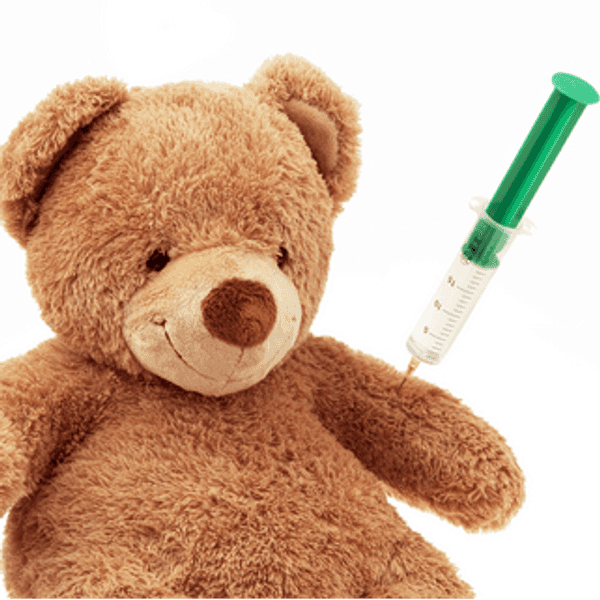
When a baby is born today, within 24 hours of birth, the infant receives its first vaccine, the Hepatitis B vaccine. Over the next year of this infant’s life, he or she will receive a total of 17 vaccines, and by their fourth year of life, they will receive another eight vaccines. Medical science has shown that vaccinating young children against these very contagious childhood diseases has, on average, added 30 years to an individual’s life expectancy. Most people would agree this is a good thing, right?
In 2008, there was a measles outbreak in San Diego, California that sickened dozens of children. The infection was traced to a seven-year-old unvaccinated child that had returned home from a trip to Switzerland. This child’s parents sought care for his illness at a local clinic, and his very presence in the clinic caused eight other children in the clinic that day to contract that highly infectious disease. Measles is one of the most infectious microbes known to humankind, has a high death rate, and also has an extremely effective vaccine. However, there is a growing group of younger parents who feel the benefits of the vaccine do not outweigh the potential risks of the vaccines. Risks such as autism, permanent brain damage, and personality changes are a few of the adverse reactions vocalized by this group as reasons to not vaccinate their children.
In 1998, an article was published in a very prestigious medical journal “The Lancet” that stated that the measles, mumps, & rubella vaccine (MMR) caused autism. This article, which was later retracted due to false research information, partnered with celebrity figures such as Jenny McCarthy, caused widespread panic in a younger generation that did not grow up experiencing horrible complications from these diseases. As a result, it led to geographical outbreaks of measles in areas that had not seen this disease in decades.
There are currently 16 diseases that are considered preventable with vaccines, and many of these diseases were eradicated, or almost eradicated, as a result of vaccines, but that story is changing. Several activists groups against vaccines state they have a “right” to not vaccinate their child and they know what is best for their child, yet unvaccinated children pose a great risk to society as a whole, especially to the very young and the very old. Ethicist say vaccines are different; they are special and cannot be considered someone’s “right” to refuse because of the harm these diseases can have on the population at large. This decade-long debate is proving to have even longer-lasting effects on the generations to come.