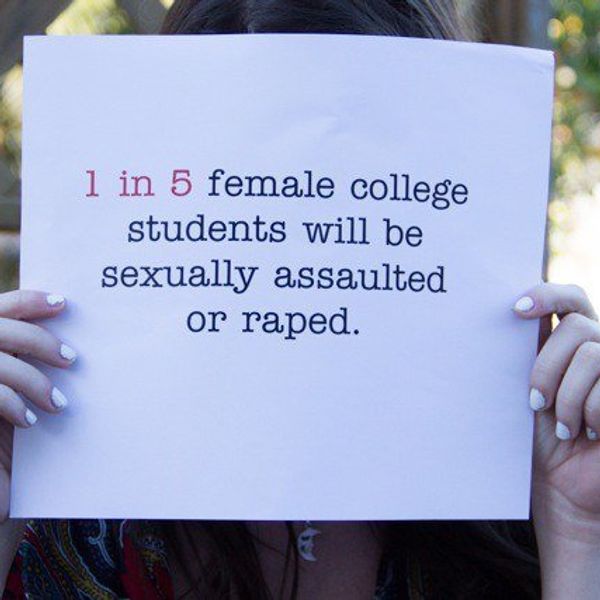


April wraps up Sexual Assault Awareness Month, a very important month to raise awareness for an issue that is so wrapped in taboo that it has become in many ways unspeakable. This is even truer when the discussion turns to sexual assault involving male victims. We must extend sexual assault awareness beyond April and highlight the reality of male sexual assault to break down this taboo to make sure men and women are able to report their attacks, effectively talk about it and receive sufficient treatment.
Now, this article is in no way attempting to belittle or downplay the prevalence of the sexual assault of women, which occurs more frequently than that of men. It'll focus on the rape of men by other men and how the crime plays out within the definition of sexual assault to try to bridge the disconnect between sexual assault and masculine identities in order to extend the discussion to more readily include men.
Largely, the taboo surrounding sexual assault, particularly in the lives of men, results from a lack of definition. There is no set definition of rape in the United States and is generally defined on a state-by-state, often county-by-county, basis. This creates many potential loopholes within semantics and the different understandings of the crime which helps alleged rapists create defenses. This is readily outlined in a CNN article from April 29, 2016, that explains an Oklahoma "'court-created loophole' in state law that blocked the prosecution of a teenager accused of sexually assaulting a drunken girl" by forcing her to perform oral sex and committing first-degree rape.
These loopholes become even more problematic for male victims of rape when many state definitions include gender specific language to define rape. The state of Wyoming has been more proactive at addressing the issues of loopholes within the definition of rape through Wyoming State Statute 6-2-304, which defines various types of sexual crime under the title of sexual assault in degrees and establishes a non-gendered definition of first degree sexual assault that includes both unwarranted vaginal and anal intercourse, removing the use of words like "sodomy" which, over time, has accrued a specifically male, even homosexual connotation.
This understanding of rape, including it within a stratified definition of sexual assault, highlights the importance of separating sexuality from a crime that is one of control. It is for this reason that the rape of men by other men or their sexual assault needs to be viewed within the same framework that feminists used to raise awareness of and create resources for female victims of rape during the second half of the 20th century. If male victims of rape are placed into the same power dynamic theory, which highlights the control aspect of rape that feminists use to talk about the rape of women, a better understanding of the nature of the attack would stimulate greater dialogue and resource development for male victims as has been the case with the modern feminist movement.
Traditional gender expectations that reinforce this theory of control need to be reassessed to include male victims, as the breakdown of these expectations within the attack have had a profound impact on feminist discourse. Once we look at men as "real" victims and are able to discuss rape in a non-gendered way, we will begin to see gains in reporting and treatment for men. As of now, current data suggests that the percent of sexual assault victims who report and are male is less than 5 percent, but is extremely underreported and most likely the number of attacks is much higher. Most data contends that one in every six men will be sexually assaulted in one form or another in their life.
If men and society can begin discussing male rape within the Power Dynamic framework, the resources that women justly received in the last half of the 1900s could be replicated and adjusted to support male victims of rape. Men and women would benefit from such a discussion and the resources that come as a result.
It is here that the taboo surrounding the rape and sexual assault of men will begin to subside and meaningful action will occur, helping all victims of sexual assault.