
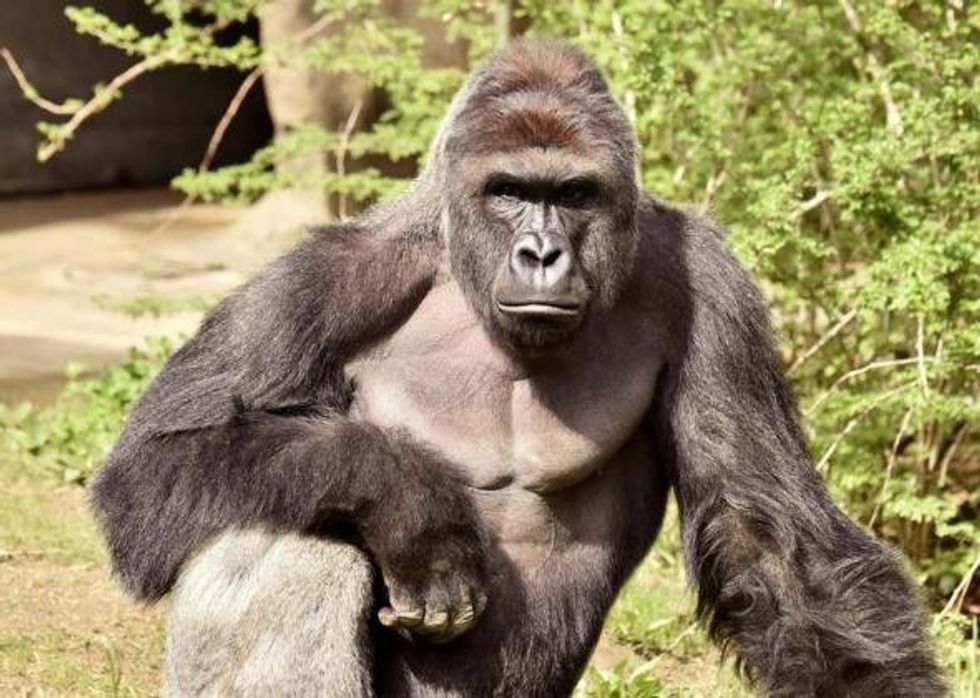
If you have been watching the news lately, you have probably heard about the gorilla, Harambe, who was killed at the Cincinnati Zoo to save a young boy's life. You may have even seen the hashtag #justiceforharambe on social media or the online petition that has recently been going around in response to this event. Several people have expressed their outrage over the death of Harambe and the negligence of the parents involved. But I would like to point out a few things that I believe people are missing. So I ask you to put your outrage and anger aside and bring your mind to the center of the stage.
First off, I would like to defend the parents to some degree. According to several sources, bystanders heard the child threaten to go into the gorilla's pen before he actually managed to get in. Commenters often remark that this should have been a sign to remove the child from the pen immediately. But if your child said that, without this event being so present in your mind, would you have actually believed the child? He was, after all, a child. And as someone who works with children and has two younger brothers, they don't often mean what they say, especially when they are upset. Besides, what if the mother had taken the child away? Who says that if he were so determined, as it seems he was, that he just wouldn't have climbed into another animal's pen? It's a small possibility, but it is always a possibility (as we see now) that can take place.
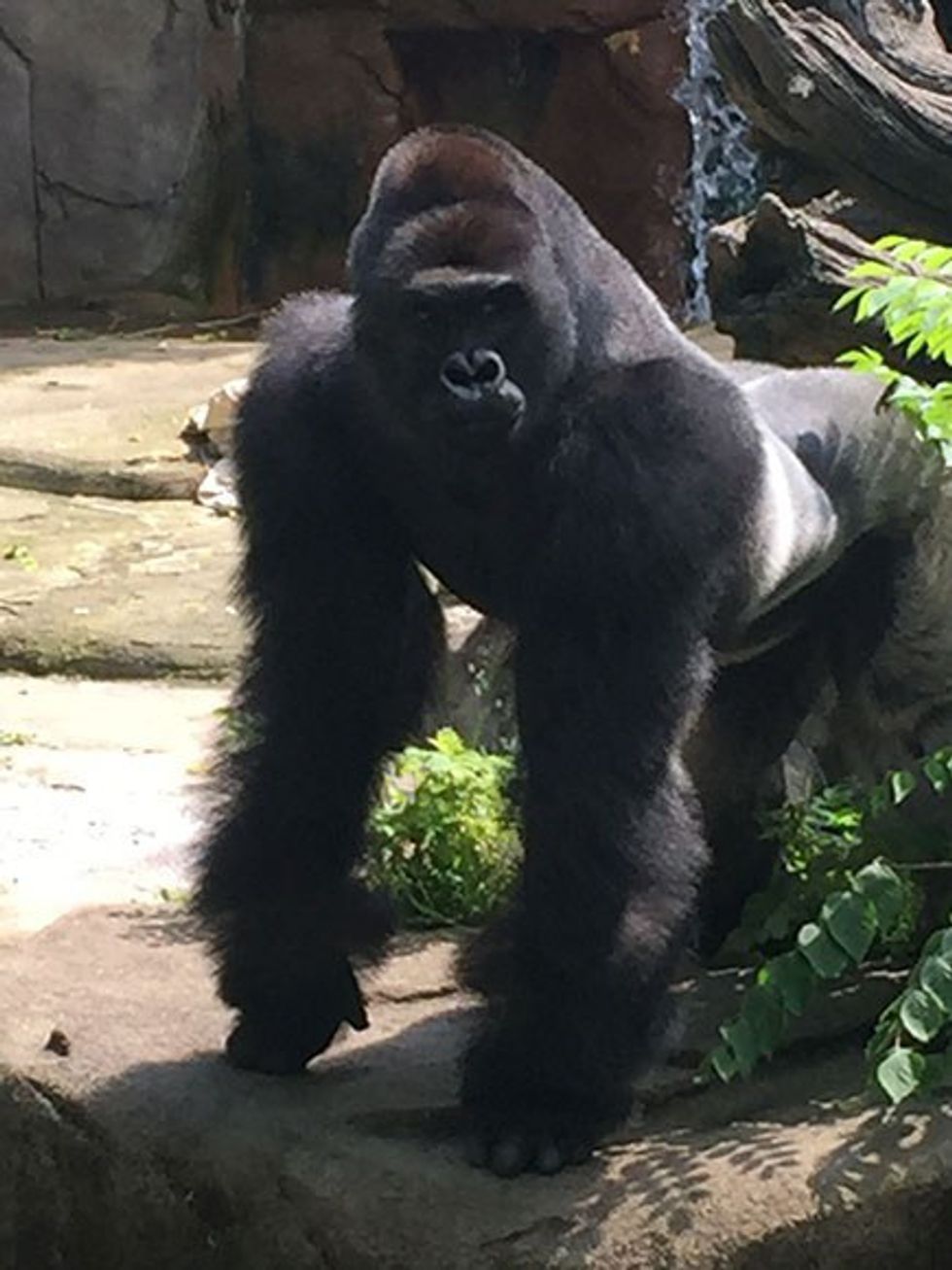
Not to mention gorillas are animals, wild animals in fact. Just because they have been accustomed to human interaction doesn't make them any less primal. There have been cases of young children who have fallen in gorilla pens and the gorillas have protected them. Though the children in these cases where found by a female, not a male, that had to protect them from the other male gorillas.
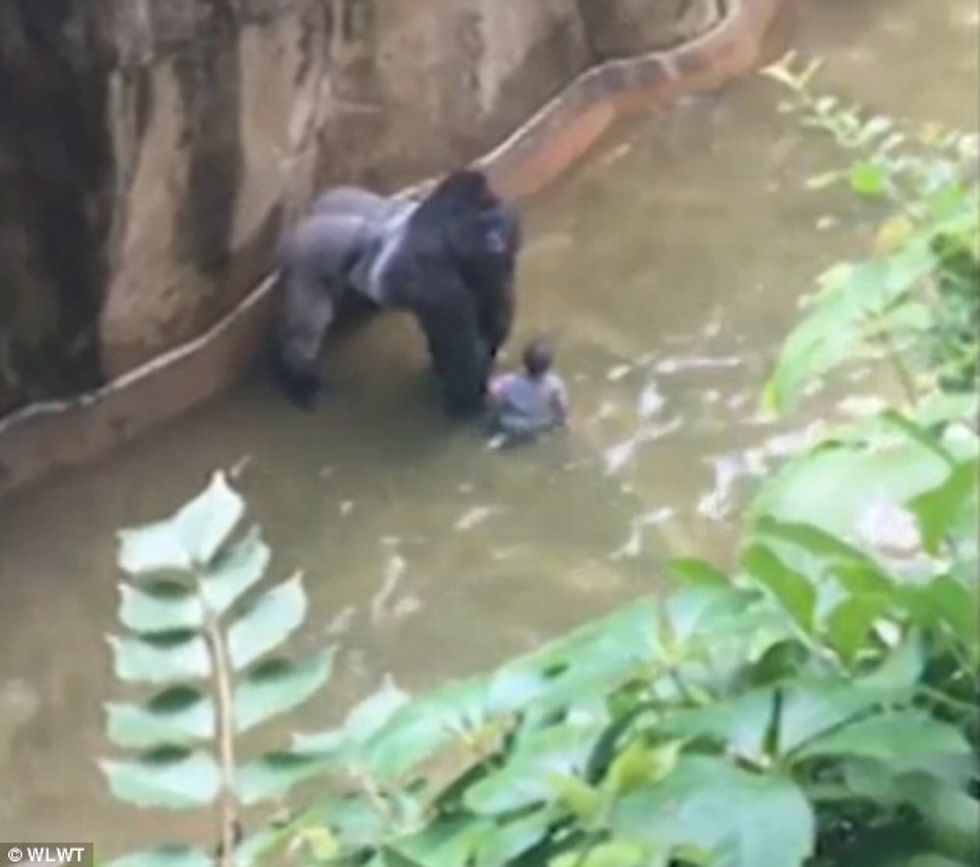
Something that we often miss in cases like these is that we are all human. If you had raised Harambe, loved Harambe, and watched him grow all those seventeen years, would you have valued his life over the child's? Would you have risked shooting Harambe with a tranquilizer, which would have taken up to 30 minutes to work and could have made him angry, when the child was still in his very hands? They made the call, and they made that call in a terrible situation believing that the stranger who just happened to be a child was worth more than the gorilla who they had helped raise. If the zookeepers had decided to use the tranquilizer and the child had died, where would the zoo have been then? I believe that despite what happened, they made the best decision that they could. And experts agree.
We are humans. We have no control over nature, animals, or other humans, no matter how small they might be. What has happened has happened; there is little we can do about that specific event now. Situations like these make us question if keeping animals in captivity is smart and wonder who we should blame when things go wrong. They leave us angry for both the child's and the animal's sake...which is never a bad thing, unless the anger is wrongly used. We should use these situations to listen, to think bigger, to question morals and ways of doing things--meaning, we should use these situations to grow bigger.