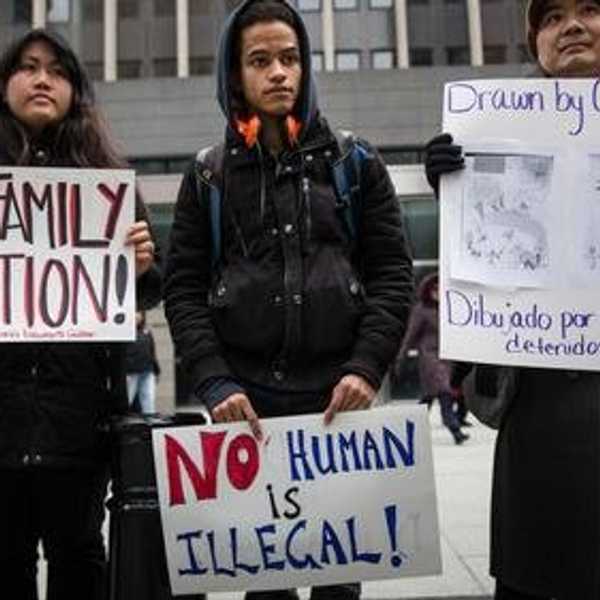

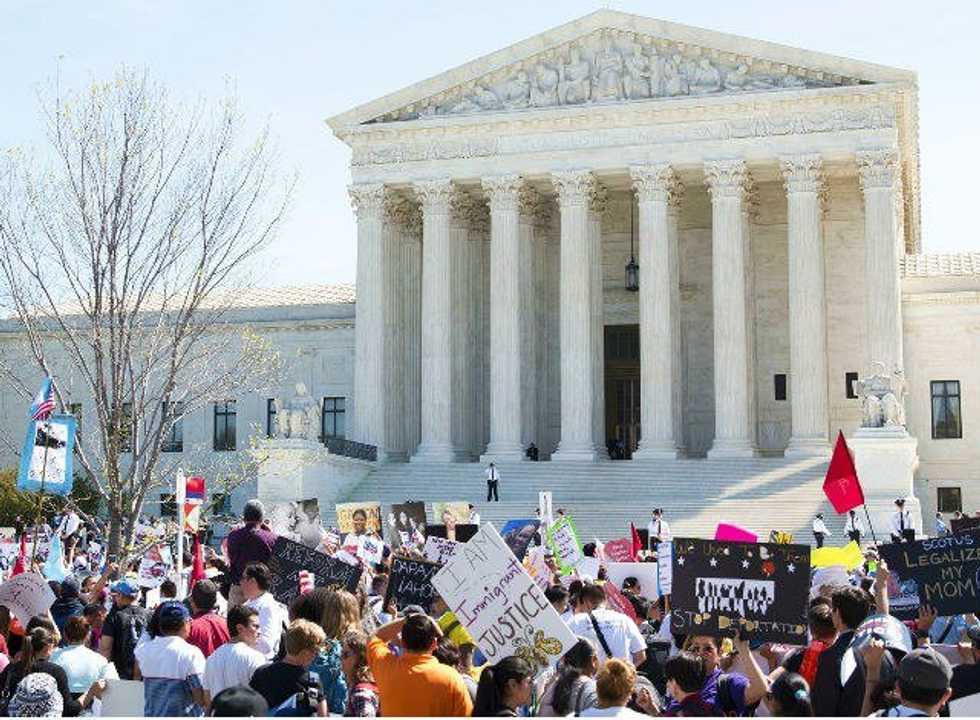
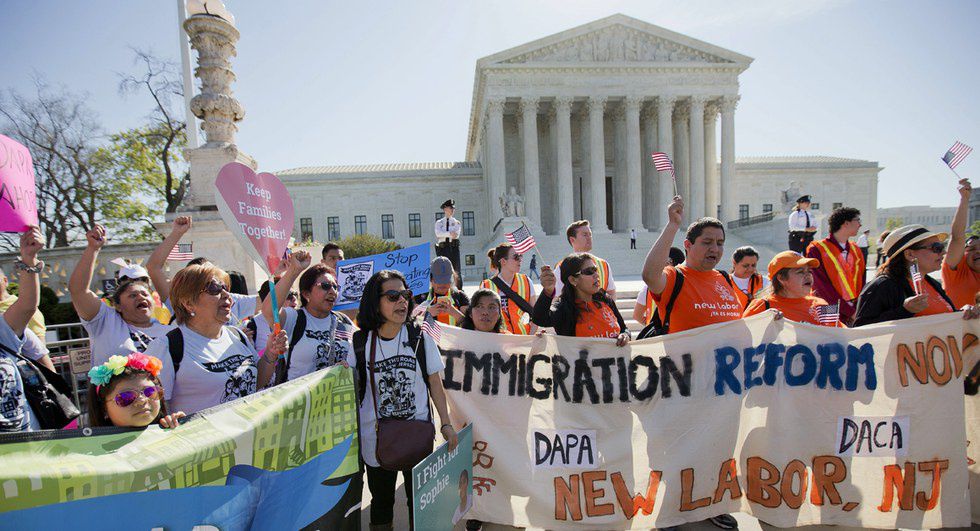
On June 23, the United States Supreme Court released their decision on United States v. Texas, affirming the lower court's decision with an equally divided vote of 4-4, which means that two immigration policies, Deferred Action for Childhood Arrivals (DACA) and Deferred Action for Parents of Americans (DAPA), have been struck down.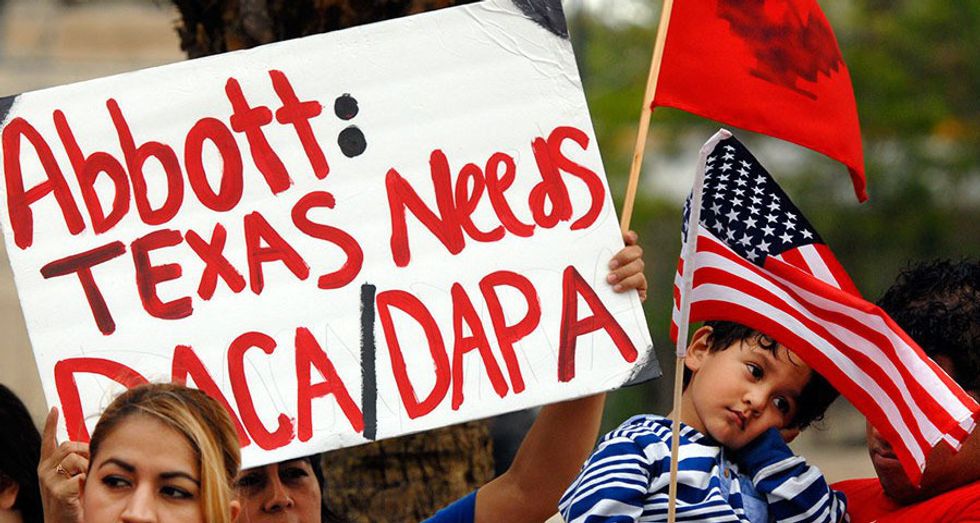
What are DACA and DAPA?
With the direction of President Obama, the Secretary of Homeland Security issued two new immigration policies that would expand on a 2012 program (The DREAM Act) that was already in place. The policies would stall the deportation for certain undocumented aliens, therefore deferring their deportation. Deferred Action for Parents of Americans and Lawful Permanent Residents (DAPA) protects undocumented parents of children who are US citizens or legal residents born on or before November 20, 2014 from deportation. To qualify, parents must have been in the United States since January 1, 2010. Deferred Action for Childhood Arrivals (DACA) protects undocumented immigrants born after June 15, 1981 who were brought to the United States before their 16th birthday and have been in the country since June 15, 2007. It was later expanded to children who have been in the US prior to January 2010. The policies were designed to keep parents from being separated from their American children, and also to keep children who are undocumented from being deported since many DACA eligible children only know America and have no actual connection to their country of origin. It is estimated that approximately 4 million immigrants qualified for both of these programs.
DACA and DAPA never fully went into effect because of the law suit filed by Texas and 25 other states against the United States government, which stalled its execution. The law suit alleged that expanding immigration policies without going through Congress was an overreach on President Obama's part. The 2014 expansions were seen as contentious because they were not made using congressional power, but using executive power.
Usually when SCOTUS has a decision, the court releases an opinion (a long-winded explanation of the decision) and a dissension (the opinion of the justice(s) that did not uphold the decision). However, since the Supreme Court is down one justice after the death of Justice Antonin Scalia, the court was split 4-4. Therefore, the court did not have an opinion or a dissension, but released a one-page slip affirming the lower court's decision. The Fifth Circuit Court of Appeals, being the lower court, thought that implementation of DAPA would "detract from the ‘integrated scheme of regulation’ created by Congress" and that the concerns of the states filing suit against the US government override the negative outcomes of using executive power to force immigration reform onto the states.
DAPA and DACA were a last resort
Public outrage against these immigration policies and the fervent celebration by Conservatives following the SCOTUS decision on United States v. Texas are demonstrative of the fact that many Americans do not know why President Obama circumvented Congress to enact these two policies. Despite current rhetoric, immigration reform was at the forefront of political debate in 2013. The United States Senate actually passed a bipartisan and widely praised immigration reform plan — the Border Security, Economic Opportunity, and Immigration Modernization Act. It discussed a substantially increased boarder security, widening and reforming visa eligibility for immigrants with family members who are U.S. citizens or permanent legal residents, and would give "legal" status to some 11 million immigrants living in the United States illegally. This would enable them to begin to pay taxes if they haven't already, have valid driver's licenses so they can obtain car insurance, and a earn a (long but realistic) path to citizenship. The bill stated that many of the programs would be introduced gradually and only apply to those who had been in the United States a certain amount of time. It also focused on integrating these immigrants so they could become contributors to American society and not live on the outskirts of society like opponents of immigration fear immigrants often do.
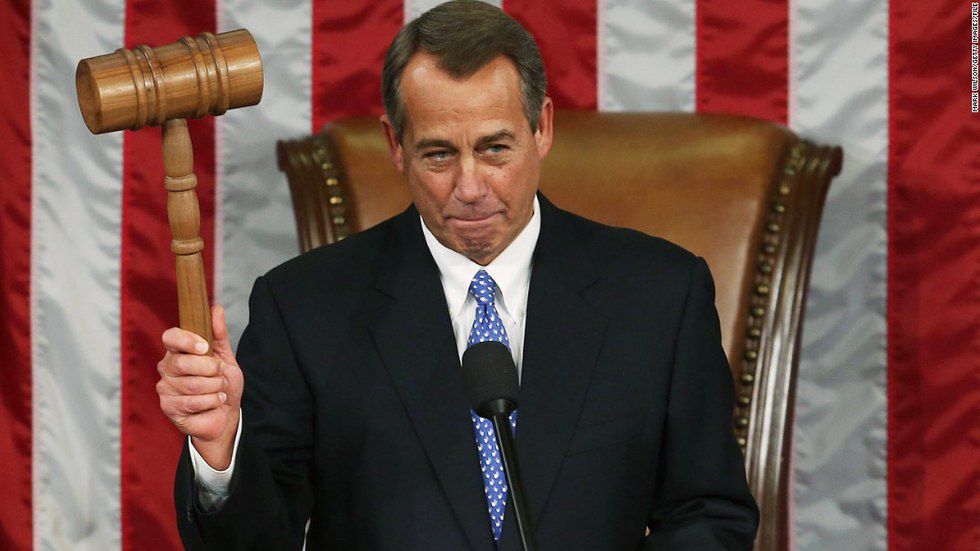
The bill was drafted by the "Gang of Eight," a group of both Republican and Democratic senators, Senators Charles Schumer (D-NY), John McCain (R-AZ), Richard Durbin (D-IL), Lindsey Graham (R-SC), Robert Menendez (D-NJ), Marco Rubio (R-FL), Michael Bennet (D-CO) and Jeff Flake (R-AZ). Senator John McCain was the 2008 Republican presidential nominee, and Senators Marco Rubio and Lindsey Graham were both 2016 Republican presidential candidates. The support for this bill was astounding. Yet even though there was overwhelming bipartisan support for the bill in the House of Representatives, Former House Speaker John Boehner and House leadership refused to bring the bill up for a vote. There is speculation that Boehner failed to bring the bill up for vote because 2014 was an election year and Republican support for the bill might ensure Republicans losing control of the House of Representatives.
The failure to let this bill see the light of day was the impetus for President Obama's executive action, because he held that bureaucratic obstacles were hurting a select group of undocumented immigrants more than anyone: parents of citizen children and immigrants who were brought to the US as children. Therefore, the DACA and DAPA programs were a last resort to provide quick action for roughly 4 million immigrants and their families.
What is the right fix, then?
Since the court was evenly divided, United States v. Texas could likely go before SCOTUS once a ninth justice is added to the bench. Depending on whether this ninth justice has liberal or conservative leanings, the same decision could be held up again. However, the court could also rule in favor of the United States government and force Texas and the other 25 states in the suit to follow the executive action.
However, this is still not a long-term or stable solution. If the decision were reversed, any future U.S. president could "undo" an executive order made by a previous U.S. president. If the SCOTUS decision told us anything, is that any much-needed immigration reform must be attained through Congress. It is not only because the Constitution calls for the separation of power, but because legislative power will give any bill passed into law a sense of perpetuity — a permanence that immigration reform needs in order to preserve national security and find a way to address the immigrants already in the United States in a humanitarian manner.