
We’ve all heard of the social platform phenomenon that has grown to be one of the top ten websites in the United States. People have dubbed Tumblr as Facebook 2.0, an online community that millennials have flocked to in order to escape the flood of parents, relatives and co-workers into the Facebook universe. It is impossible to expect people to express their complete true selves around those with whom they daily interact, so it is only logical that a platform such as Tumblr should have expanded so rapidly. The millennial generation needed a new place where they could go online and be themselves again, be comfortable with who they are.
There are many good things that Tumblr has provided and continues to provide. There is no pressure to gain as large an audience as possible, as is the case with sites such as Instagram and Twitter. Tumblr has brought on the age of micro-blogging—blogging without the commitment of spending several hours writing a lengthy blog post. It is also a blossoming platform for a variety of social justice issues. Many millennials, myself included, have often felt disheartened that they couldn’t do anything significant to fix the issues they care about, but in turning to social media—and especially Tumblr, as it incorporates a whole range of media in a very streamlined manner—they feel like their voices are being heard. Tumblr has also stepped up to the plate in the growing mental health debate, providing support and information where the existing health care system is blocked from doing so.
It is in this particular area that I found Tumblr most helpful to me personally. Despite my relatively young age, I have been through some pretty emotionally tough times in my life, and Tumblr was a haven for me when I thought no one else was suffering like I was. I felt alone and the online community that I found showed me that I wasn’t, even though I didn’t necessarily communicate directly with anyone. I learned that my depression was valid and that it didn’t make me any less of a person. Knowing these things were a somewhat significant part of my healing process, but as I have found emotional and mental restoration I can no longer ignore the content and community negativity problems that Tumblr is host to. And I am definitely not the first to say so.


I applaud the website for fostering a haven of openness and acceptance, but that does not mean that everything should be accepted. I am greatly saddened by the amount of unhealthy self-deprecation that I encounter every time I log on. A lot of it is fandom-based, with people calling themselves “Homestuck trash” or “Avengers trash” because they pour so much of their time into being a hardcore fan. There is nothing wrong with positively identifying with a fandom—we should be rejoicing in our passions, not apologizing for them! I’ve also come across many heavily reblogged text posts in which the author has sought to call or compare themselves to trash either because they truly dislike themselves or they feel it will give them a larger audience.

It is OK to be in a place in life where you don’t totally like yourself, but that doesn’t mean that it should be glorified. I do not find text posts like this funny. And I only have to look at the notes counter in the corner to see how widely spread this tolerance of negativity has become. I used to be someone who would re-blog posts like this without a second thought, more than eager to identify with those who felt the same as I. Just as my friends and I were always competing to outdo each other with who had the most homework/who was the most stressed, so to do Tumblr users by reblogging cruel, self-deprecating humor in order to make their unhappiness some sick badge of honor.

Anyone who requires further proof need only to go online and look for #iamtrash on any social media platform, Tumblr included. It is astounding how widely used this particular hashtag is, and it is only one phrase of many with the same message. My problem is not with the existence of this negativity, but the fact that we aren’t as vocal about how much we love ourselves. Why is there no #iamnottrash trending on social media sites? I realize that coming to terms with who you are and beginning to love yourself is a long and complicated process, but as someone who lived through several years of self-hate, I can personally attest to the fact that posts like these did not help me on the path to where I am today.

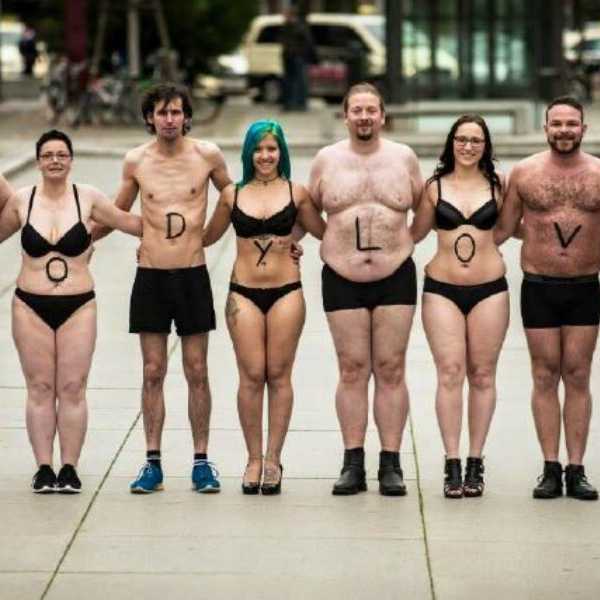
Tumblr is breeding a burgeoning culture of negativity and those who have the power to speak out against it—those with sizable audiences—have a duty to the Tumblr community to be advocates for self-love and self-acceptance. Humor helps to alleviate painful and stressful situations in our lives, and it is often nice to know that we are not the only person in the world who is suffering, but if we truly want what is best for the millennial generation—and those to come—we should work together to breed a culture positivity and love throughout the Tumblr universe and social media beyond.