If you didn't already know, September is Pediatric Cancer Awareness Month. As the month begins and starts to end, I'm reminded of my own personal experience with pediatric cancer and what it did to me and, more importantly, what it did for me. This is something I'm sure the majority of people have never heard about me, but I feel like my experience is an informative one to share.
It all started at age seven with a headache. That headache turned into a migraine, and that migraine turned into dozens of migraines a month. If you've ever had a true migraine, you know they are not a walk in the park. Lights off, crying, puking, a cold washcloth over my face, and medicine was always involved. Not knowing what else to do with the pain at seven years old, I would scratch and rub the middle of my forehead so hard that it would bleed and leave numerous scars. That's when my parents decided to get me checked out. My pediatrician merely suggested to get an MRI, just to be sure. And that's when they found an optic glioma the size slightly larger than a quarter in my brain, directly behind my left optic nerve. Almost two years of chemotherapy later, and my brain tumor was stable. Thirteen years after that, and it's practically gone.
Having this experience as a child is completely different than having it as an adult. Here are some things that you would probably never know about unless you lived them.
1. Chemo isn't always the answer.
Luckily, my brain tumor was declared benign. And even more luckily, they caught it when they did. The position of my tumor would have eventually grown into my optic nerve and caused blindness. After five second opinions, my parents had a decision to make. Two of my main doctors had different approaches. My eye doctor knew the side effects of chemo and wanted to "watch and wait" before starting any harsh treatment such as chemo or radiation. My cancer doctor went with a hard yes to chemo. So they decided on an agreement: they would wait two months to see if it had grown and if it had, they would start treatment. Two months later, the MRI showed it had grown 25 percent.
2. Every chemo is different.
Not everyone has the same type of cancer, so not everyone has the same type of medicine. Chemotherapy is just a word for a combination of chemical substances. My chemical substances included vincristine and carboplatin. Within one month after my repeat MRI, I had surgery to receive my porta-cath (a small catheter on the left side of my chest that connected to a large vein for the chemo) as well as my very first treatment.
3. Super long treatment days.
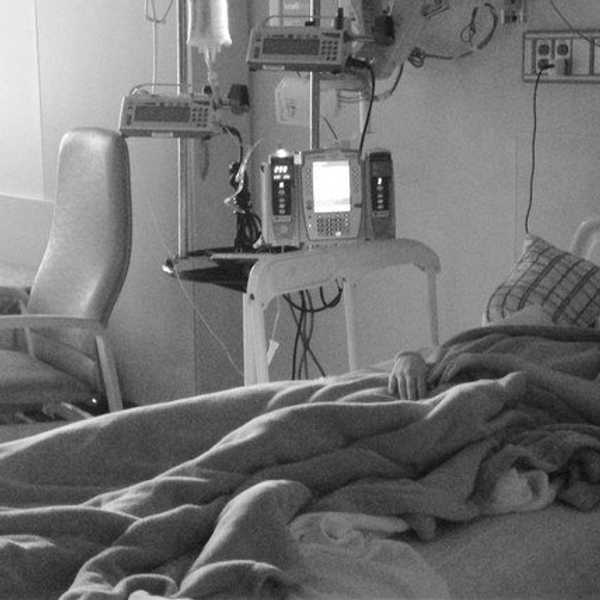
Second and third grade were cool and all, but I had some more important things to do. My treatment schedule consisted of four weeks on, two weeks off. Every Wednesday, my mom and I would head out to Children's Memorial Hospital in Chicago for a day of fun (not). Driving from the 'burbs to downtown during morning rush hour usually took over an hour. As some of you may know, hospitals are slow. It would take about an hour of checking in and sitting in the waiting room, four to six hours for the chemo to drip through, and another long drive back home. These days were, of course, draining but in my mind I got to miss school, so that was a win for me!
4. Chemo took it out of me, but I was still normal.
I have my family, friends and doctors to thank for this one. I had been doing gymnastics since the age of two and no one wanted having cancer to stop me doing my favorite thing in the world. Chemo decreases your blood counts, specifically white blood cells (the ones that fight against disease), which made me extremely weak and fragile. I was more prone to getting sick, and never had a ton of energy, and a gymnast needs a lot of that. So when my doctors knew I had a competition coming up, they would give me blood transfusions to make sure I could still compete like a normal eight-year-old. My team at the time even got me an American Girl doll that looked like with an entire gymnast outfit on to make me feel better.
5. I'm always under a microscope.
I guess I can't complain about this one. But when you're that sick, the little things become big things. During treatment, they found some freckles on the side of my belly and suddenly I was being checked for neurofibromatosis. Fortunately, they're just freckles. I still have to go in for check ups with my oncologist, ophthalmologist and neurologist every year to make sure nothing had changed. The only current side effect I experience is my hearing. While chemo killed my tumor, it also killed some other important nerves. It's now a running joke that all I say is "What?!" My bad.
6. Me today.
I am extremely lucky. I was able to get the treatment needed and haven't had a setback since. Yes, I've had migraines for 15 years, but I'll take it. I didn't need brain surgery, I didn't need radiation, and I never lost all my hair.
As a Tri Delta, we pride ourselves in raising millions of dollars to help the kids of St. Jude and knowing that I was one of them only makes it that much more rewarding. My experience has let me have a unique perspective on everything I do.
Most importantly, I've learned not to take life too seriously.