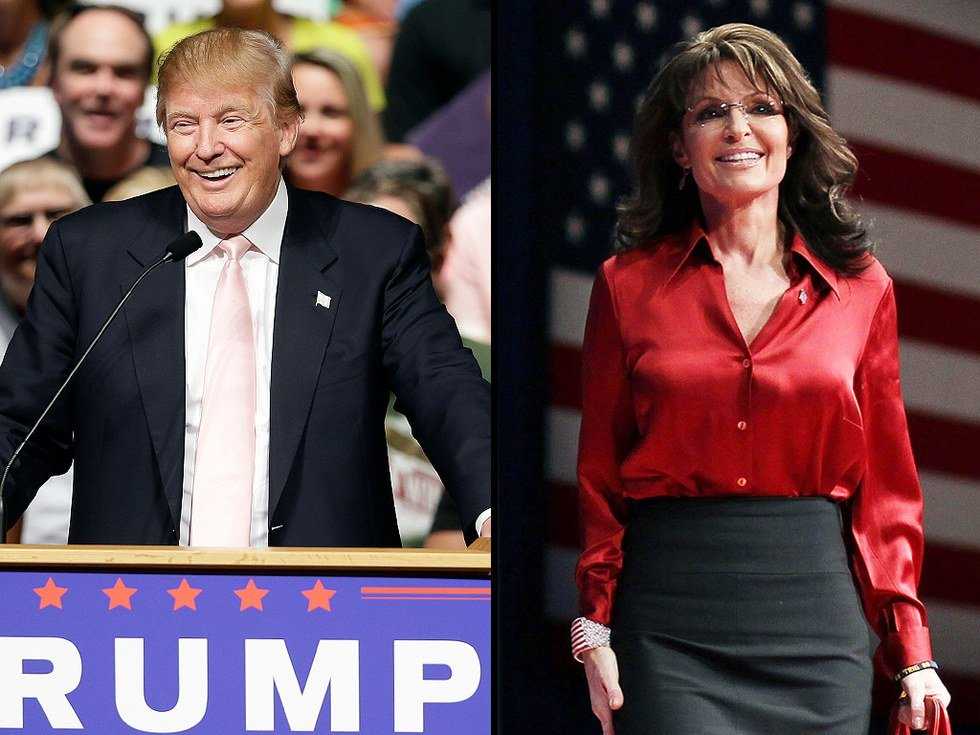
Since the election of 2008 when President Barack Obama beat Republican nominee John McCain, former vice-presidential candidate Sarah Palin has been a bit absent from the political world. She had a television show, "Sarah Palin's Alaska", but that's about all I can recall coming from her over the past few years. However, she's not a person who's easy to forget.
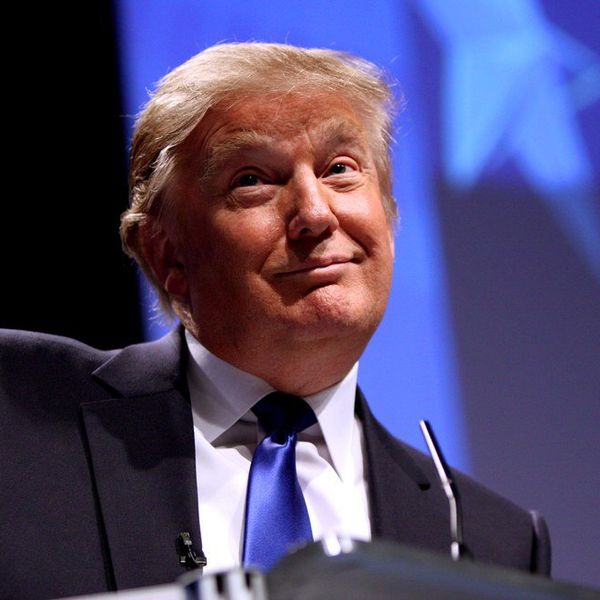
Now she's back to endorse Republican Donald Trump in his presidential campaign. Her support has come at a critical time for Trump as him and other candidates gear up for the Iowa caucus. This is an important time in a campaign since the Iowa caucus gives an indication of who will likely win the nomination for presidency. According to the New York Times, Ted Cruz was believed to have won over the evangelical population of Iowa, but Sarah Palin has made large connections in Iowa that could surge Trump ahead.
So far, it seems to be working, since Trump's support has boosted ever since Palin's endorsement. The long-term effects of her support could have mixed reviews from Trump's supporters, but so far it's been clear that Trump's audience shows up for him, not his endorsers.
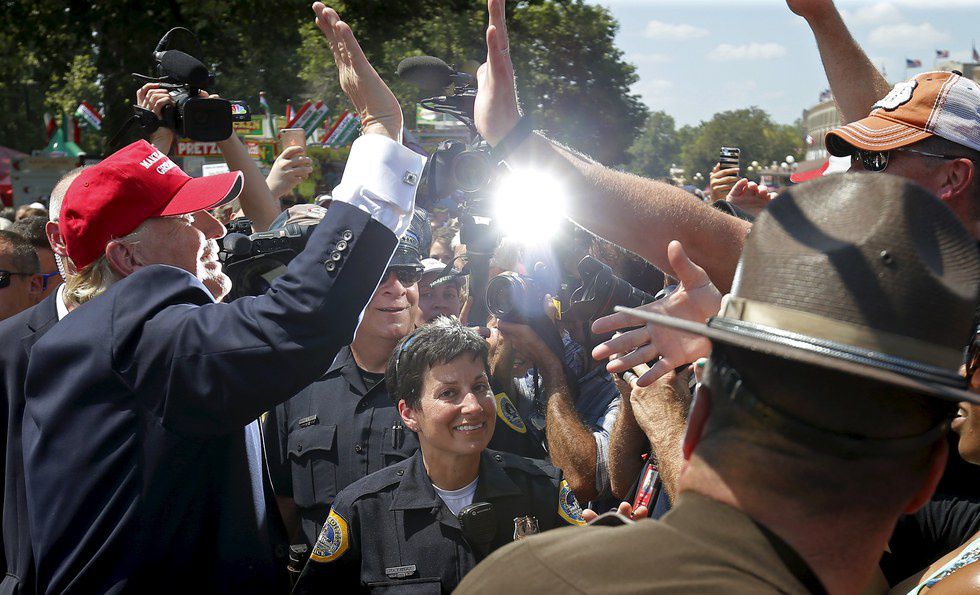
Sarah Palin's sudden involvement in the 2016 campaign has added fuel to the conservative revival in the Republican Party that was first sparked by Trump's decision to run for president. While many presidential candidates may tone themselves down to appear more neutral and appeal to a wider audience, the campaigns witnessed so far have had some intense viewpoints. With Bernie Sanders' socialist ideas gaining widespread attention for Democrats, Trump's seemingly outrageous statements have been building him an audience across America. Rush Limbaugh was quoted in Politico's article discussing what Sarah Palin's endorsement meant for Republicans. Limbaugh claimed Palin's endorsement shows "a serious awakening that is taking place within the Republican Party and the so-called conservative movement."
Limbaugh went on to say that there is a stereotype that the Republican Party is held together through a shared ideology and image. Limbaugh describes this image as, "hayseed hicks, pro-lifers running around in pickup trucks with shotguns in the back, bitter clingers." However, he claims that the real glue that holds the party together is a "virulent opposition to the left and the Democrat Party and Barack Obama." With Palin and Trump together, Limbaugh seems interested in the idea of a renewed conservative party with more vigor.
With Palin backing Trump, he may have found the support he needed to push past Ted Cruz for the Iowa caucus. Should Trump win the nomination as the Republican presidential candidate, Palin's involvement may grow in ways that put her back in the political spectrum. Whether or not this endorsement is enough to win Trump the nomination is still unclear, but it doesn't seem to have caused his popularity to falter yet.