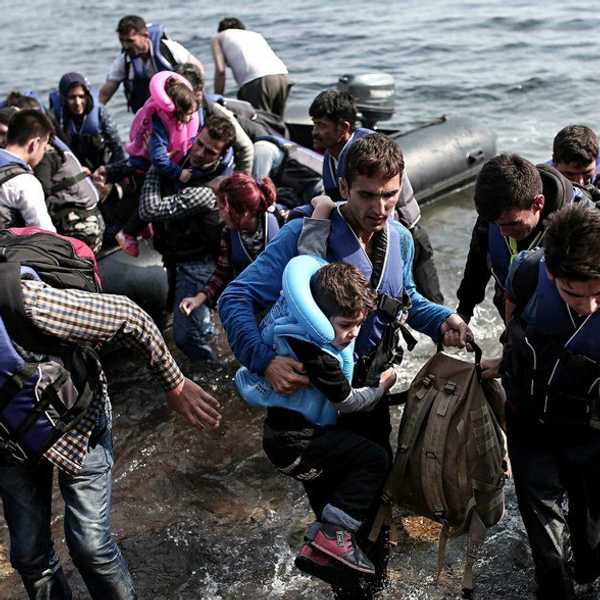
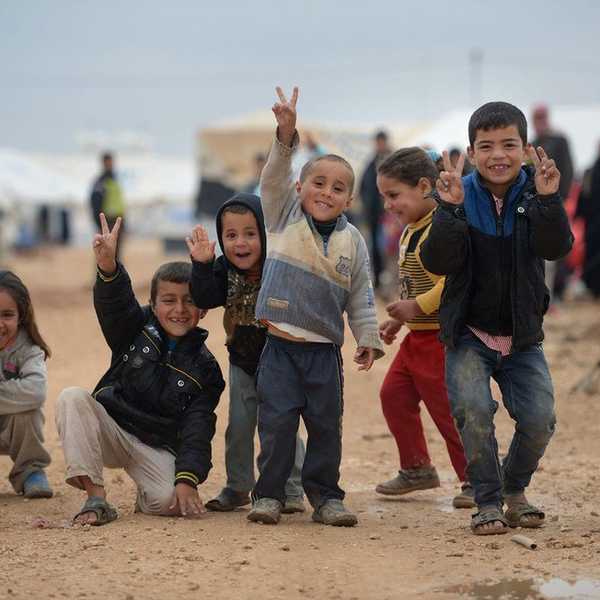
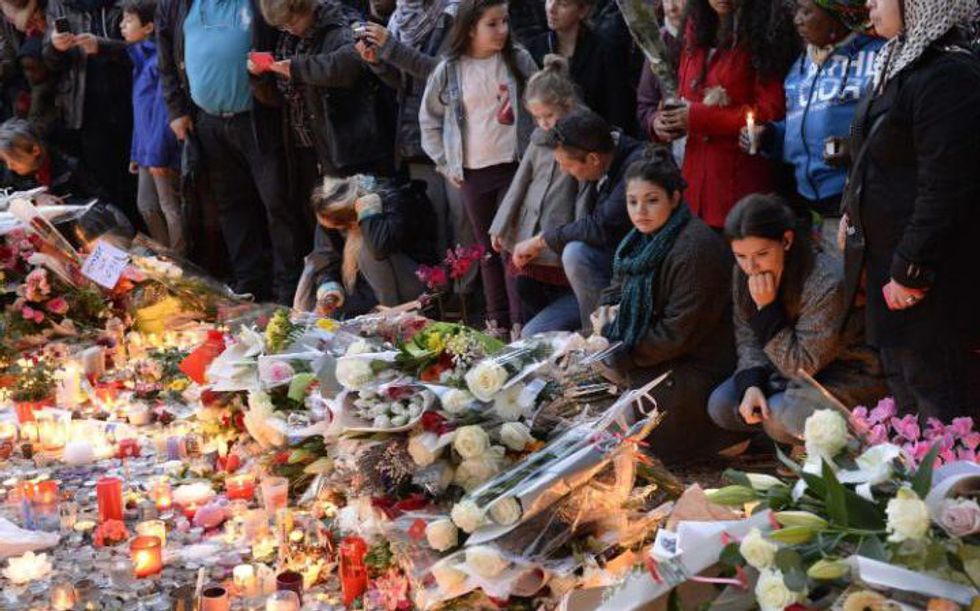
In wake of the recent terror attacks that occurred in Paris, Beirut, and Baghdad this past November, the international community has begun to heavily contemplate foreign policy strategies accompanied with controversial dilemmas in regards to how to approach refugees from Greece, Iraq, and Syria.
Post the September 11 attacks of the United States of America, domestic policy has sharpened and civil liberties have become undone, most notoriously through the U.S.A Patriot Act of 2001. American civil society since then has disclosed every possible border, be it societal, economical, or political. The nature of our attempt to resolve contemporary issues could be described as abstract: a multitude of swings and tries with no resolution.
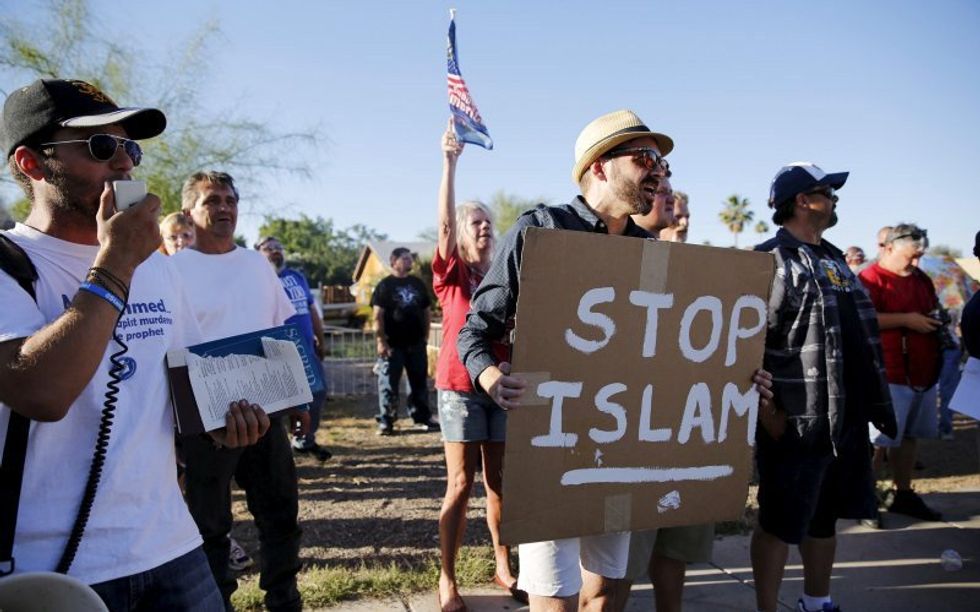
In regards to societal pressures and borders, the Muslim community has endured incessant skepticism and unlawful profiling. Evidently, the recent attacks in the Eastern hemisphere has left the world in trauma and an understanding of world issues through a skeptic lens. U.S politicians have appealed to the terror attacks in order to expand their political discussion and reason with the American people about how their perspective is of the correct kind. Most notably, U.S Presidential candidate Donald Trump has engendered considerable debate in regards of how to deal with the Muslim question and their internal role in U.S politics.

Independent of all other controversial race battle rhetoric Donald Trump has discussed, the remarks of his solution to the skepticism that he has made is the most disturbing. Ascertaining the validity and authenticity of refugees is difficult and without question, a dilemma within the contemporary world. The compassionate nature of an overwhelming fraction of people around the world sympathize with refugees and their glut of struggles they have inherited to enjoy the fruit of goodness.
However, Donald Trump has proposed that instead of furthering plans to welcome Syrian refugees, the United States government is to reject all refugees and supervise Muslims already in U.S borders. Obviously, the statement already proves itself contradictory to the nature of democracy and the expressions of freedom granted by the U.S Constitution. It is unlawful to provide and endow discriminatory sanctions to one specific religion or group(s) of people. It is morally unacceptable to even introduce that proposition. The reason I say morally unacceptable is because it runs contrary to the inherent function of our free society and our internal right to express whatever we may choose.
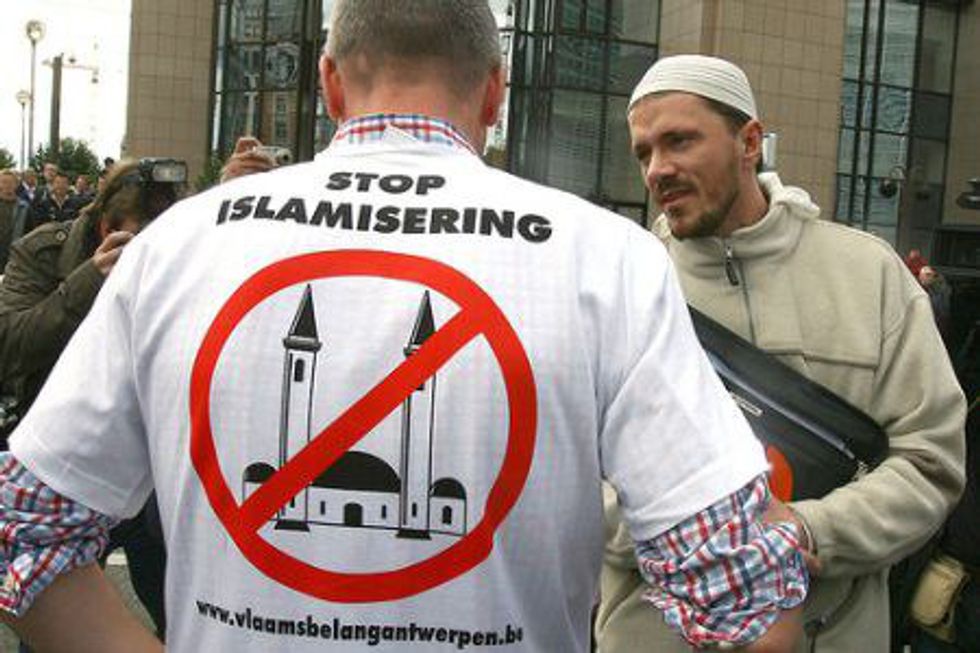
Imagine your entire human experience suddenly sanctioned, limited, and constrained by a government that does not trust you due to your physical appearance; unable to materialize your internal feelings and attitudes. Why, in the name of all that is good, would a government punish a group of people for a tiny fraction of terrorists who are not even remotely familiar with the organic truth of Islam? The demographics of victims that Daesh (ISIL, or ISIS) have terrorized are a majority of Muslims. Yet, westerners are still enshrined in racial skepticism and worried about their security. Little do they understand that Daesh is not an Islamic State, for they are too petty for that. They are after the destruction of human nature and to install a historically and factually false interpretation of moral law (Sharia Law).
Opportunists around the world are using the recent terror attacks to internalize fear into uneducated and close-hearted groups of people. It is unfortunate, because large fractions of people are traumatized and are susceptible to hatred. They are vulnerable, lost, and do not know how to find solace in a world that is slowly imploding from within. Nonetheless, cries from around the world are forming a conglomerate force to express our true function of goodness and reason. After the Paris attacks, French president Hollande announced that France would still receive thousands of refugees. There is no need for evidence of our capacity for goodness in the presence of hate and intolerance. Human beings are more inclined to manifest compassion and kindness if they are taught the truth of love and the love of truth.