[WARNING: This article contains references to sensitive material such as sexual assault and/or violence which may be triggering to survivors.]
There is a movement on the rise, one making huge waves through campuses all across the country. A push for the implementation of “trigger warnings” in academia is gaining momentum and spurring heated debate as we head into 2016. Colleges and universities are finding themselves confronted with student requests that explicit alerts, called “trigger warnings,” be issued by educators in the classroom. They are intended to flag material that might upset students or cause symptoms of post-traumatic stress disorder, both of which could disrupt student learning and cause trauma. They aim at giving students a heads-up, acknowledging the myriad of incoming experiences, and hoping to make classrooms safer spaces. The topics calling for the need of trigger warnings range from discussion or depiction of war, abuse, and self-harming behavior, to anything violent, sexual, or discriminatory.
These requests are being met with firm opposition. The fear is that they will foster an academic environment of vindictive protectiveness and emotional reasoning. Professors and administrators foresee a limiting of the personal and academic growth that is achieved through critical engagement with uncomfortable material. Many feel that treatment of PTSD has no place in the classroom. They not only anticipate trauma in a way that may lead students to experience it due to the simple expectation that they would, but also are likely to lead professors away from including these difficult topics in their curricula in fear of student backlash.
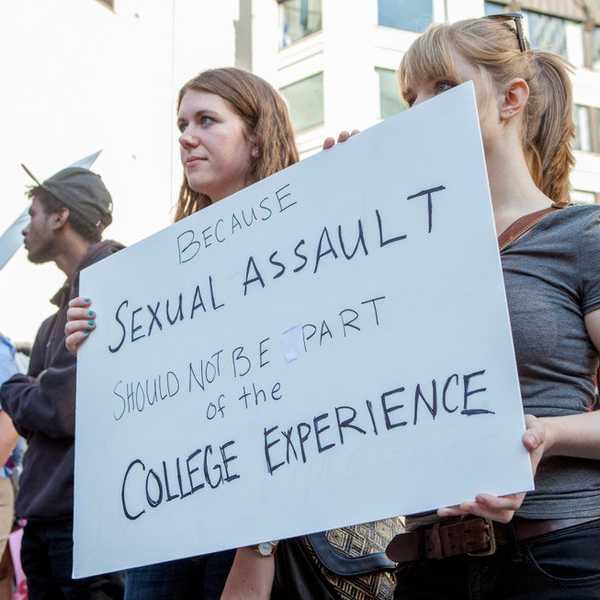
The backlash to the trigger warning movement has not stopped students from continuing to push for them. From the University of Santa Barbara in California to Oberlin College in Ohio, student governments are writing bills, student clubs are holding protests, and campus tensions are escalating from the calls of its young people to the offices of its administration.
So how did we get here? What is it about these last three years, this generation of millennials, that has us drowning amid such heated contention over the idea of appropriate discourse?
Turns out, the roots of this movement go back to the 1980s. The start of the third wave of feminist thought, dubbed “change thought and language,” brought forth the phenomena of "political correctness" that quickly rose to dominance. The focus was on recognizing the great diversity among people of the world, and aimed at greater inclusivity for historically marginalized communities through heightened awareness and sensitivity for discriminatory oppression present in discourse and processes outside of it. Trigger warnings emerged as an alternative to what can be seen as a potentially oppressive element of academia. They call for what can be seen as an amplification of “political correctness.” Trigger warnings are a solution to a perceived inequality, advocating a change of thought and language with the goal of avoiding trauma that could lead to a student’s inability to engage in the classroom.
With roots in the 1980s, the strength of the trigger warning movement has really found momentum with the increased awareness and implementation of mental health issues on campus, especially those relating to issues of sexual assault. Starting around the 2000s, and exponentially increasing into 2015, campuses are more and more frequently acknowledging a responsibility to deal with student mental health seriously, respectfully, and in accordance with some sort of legislative action. Title IX has become a powerful tool of reference for topics such a stereotypes in education, discriminatory violence, and sexual assault. Trigger warnings have risen in parallel to the institutionalization of mental health and sexual assault awareness, responsibility and administrative action.
The term “trigger warning” originates on the internet, specifically from feminist blogs and forums that have been using it for over a decade to flag readers of articles containing sensitive material. Search engine trends indicate that “the phrase broke into mainstream use online around 2011, spiked in 2014, and reached an all-time high in 2015.” It does not come as a surprise then that tech-savvy millennials (college students the first social media natives) picked up on the trending word and adopted it. Through Twitter, Facebook, Tumblr and various blogs, students at colleges across the country are virtually organizing around this movement, sharing ideas, opinions and their plans for action.
It’s safe to say that in 2016, discourse matters. We are living amidst a changing environment, one trending toward increased awareness and heightened sensitivity to words, actions and opinions that have the potential to upset and/or offend. Is this for the better or for the worse? The debate remains contentious. Modern discourse is the modern question, with trigger warnings the current manifestation of a powerful social and cultural phenomenon.