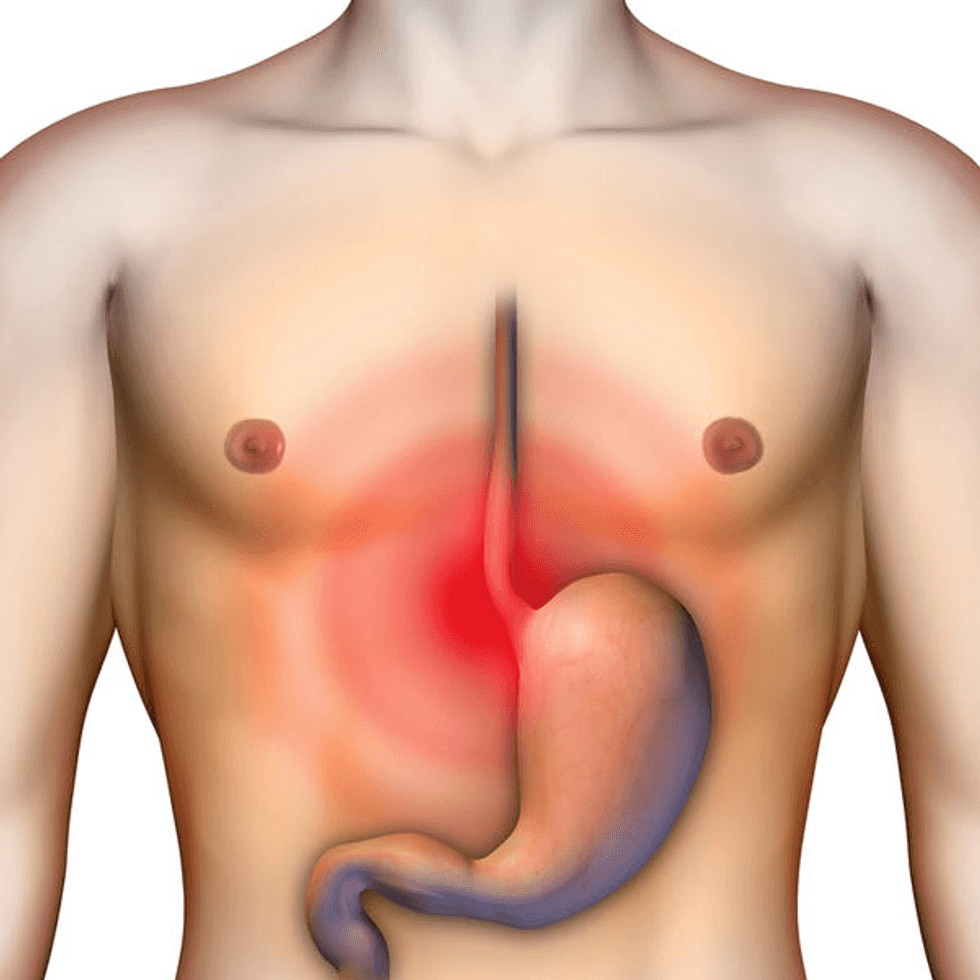
If you suffer from a dull burn in your chest and feel bloated with an odd sensation of back flow from your esophagus and obnoxious burps and gas, then you may have a condition called acid reflux or gastoesophageal reflux disease (GERD).
As someone afflicted with acid reflux symptoms daily, I have done research to help myself better understand this condition and how to manage it. The former is easy. The latter is difficult, especially if you love all kinds of food. Cutting out certain foods from your diet is saddening in the least. I feel your pain. But if acid reflux persists, it’ll affect your health indefinitely. In the course of this article, dear Reader, I aim to help those who have been having a terrible time with these symptoms, and if it sounds similar to what you’re experiencing, pay your doctor a visit to help you identify your condition.
What are the symptoms?
One symptom that many people complain of having is heartburn (WebMD, 2016). For everyone, heartburn is different. I’ve experienced it as a dull, heat or burning in the center of my chest. Often, people can feel heartburn as a pain in their throats from stomach acid bypassing the closing mechanism of your stomach and backtracking up your esophagus. This starts the dominoes falling. However, heartburn is not a heart attack. The difference is heart attack is chest pain and pressure that plays hide and seek, so to speak, in the way that it is there and goes away and comes back. You will be dizzy and lightheaded, and experience pain in your back, arms, shoulders, and jaw.
Heartburn is then followed by what is often gases traveling up your esophagus, or also some of the acid and partially digested food, or regurgitation (WedMD, 2016). You could vomit or have some really wet burps. Either way, the bitter taste is in your mouth.
Hidden illness?
There most certainly can be. According to the WebMD website, “Many people with acid reflux disease also have a syndrome called dyspepsia. Dyspepsia is a general term for stomach discomfort.” (WebMD, 2016). Dyspepsia is very similar to acid reflux in the fact that it shares symptoms, but acid reflux is a symptom of dyspepsia. Other symptoms are burping, nausea after eating, stomach fullness or bloating, and upper abdominal pain or discomfort. Dyspepsia is often a result of an infection in the stomach or an ulcer. As something is causing your battle with acid reflux, something is an underlying cause of your dyspepsia. If you suspect you have this, you must pay your doctor a visit.
Another problem that can be developed that often coincides with acid reflux and dyspepsia is irritable bowel syndrome or IBS. This includes cases of constipation, diarrhea, abdominal pain, bloating, and gas. Again, if you think you have this, meet with your doctor.
Do I have to changing my diet?
Well you should if you want to live in comfort. Often, people have lived with their acid reflux for so long they have done permanent damage to their esophagus. You only get one in your life time. Take care of it along with the rest of your body. How to do that is eating right which is not so hard to do. The actual hard part of eating right is resisting the foods that taste good but do not have any health benefits.
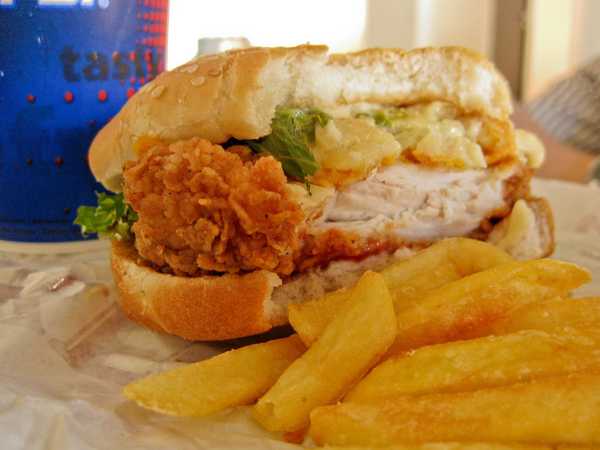
The best foods to eat that benefit your health is raw foods like vegetables and fruits. People with acid reflux problems will have to watch their diet more carefully that some that are just looking to eat right because we have to avoid citrusy fruits. Those fruits can irritate our stomachs. It’s a total bummer for someone who loves all fruit but has acid reflux. They’d also have to avoid chocolate, caffeine, alcohol, garlic, spicy foods, fast food, fatty and fried foods, onions, and tomatoes (WebMD, 2016).
Foods to eat more of while fighting acid reflux are fermented foods like sauerkraut. Chicken is good for you because it is high in protein, and eating smaller portions is easier on your stomach. Also consider snacking more and eating slower to help your stomach adjust.
Eat foods that are low on acid. Like bananas and melons, oatmeal, and some breads. Breads that are low fat and whole grain are best for your stomach. You can enjoy rice, green veggies, lean meats, fish and poultry, and egg whites (WebMD, 2013). Also there are some other herbs that can be beneficial to you like ginger and parsley (WebMD, 2013). Fennel and aloe vera can also be utilized but be very careful with taking aloe vera. If you take too much it can cause your digestive system to be more irritated than before and has its own list of complications.
Sources:
WebMD, LLC. (2013, November 12) Foods That Fight Heartburn Retrieved from http://www.webmd.com/digestive-disorders/features/foods-that-fight-heartburn#1
WebMD, LLC. (2016, February 22) Acid Reflux Symptoms Retrieved from http://www.webmd.com/heartburn-gerd/guide/acid-reflux-symptoms