
For the past 120 years, movies have been a staple art form in world culture and have balanced both the mainstream and art house viewers alike. Over the course of that timeframe, there have been a few years in cinema that caused a dramatic shift in the film landscape from an aesthetic, social, and narrative point of view. For the next five weeks, I'll be counting down the five most important years for cinema that managed to shape how we make and watch movies.
Within each week's article, I'll be showcasing three movies from that year that helped shape and define it for the history of film.
Starting at number 5: 1957.
From European Art Cinema to a more socially conscious America, 1957 was a staple year for cinema. Here are three movies from that year that defined that year and helped progress cinema forward for the future.
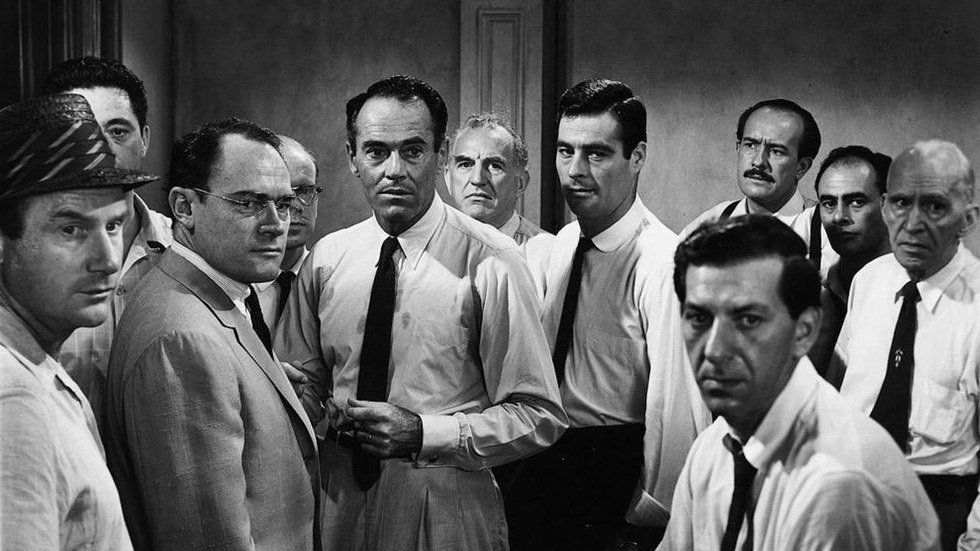
"12 Angry Men" Sidney Lumet
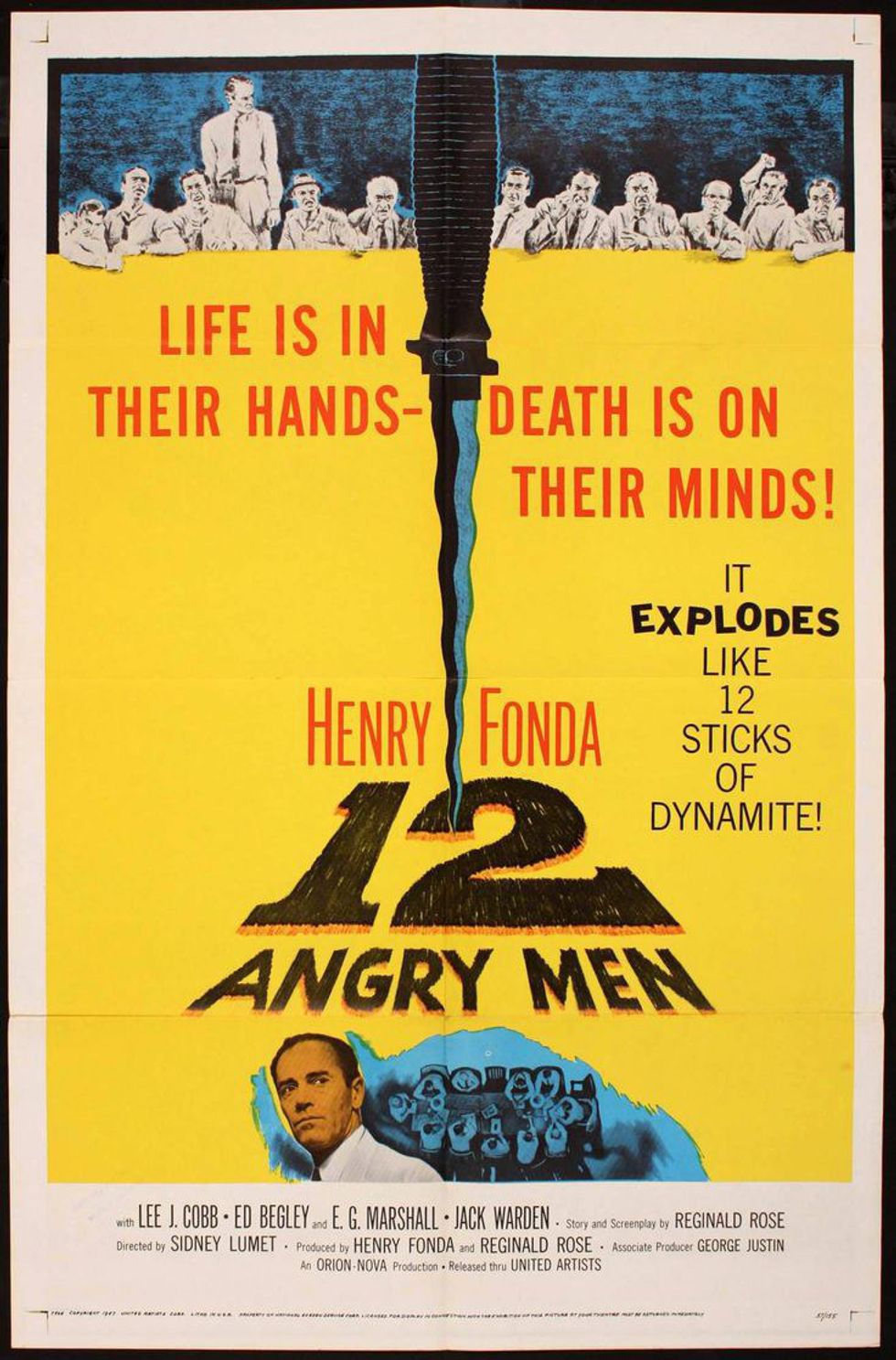
In Sidney Lumet's cinematic debut, Lumet introduces us to twelve jurors trapped in a room trying to decide the fate of an alleged-murderer. With eleven jurors convinced that he is guilty, a lone Henry Fonda must try and convince the rest of the room that he is, in fact, innocent. Lumet's film showcases in all-depths the innermost thoughts of a man, both ugly and good. Lumet would go on to influence many directors after him and his first film is one of his best.
"The Seventh Seal" Ingmar Bergman
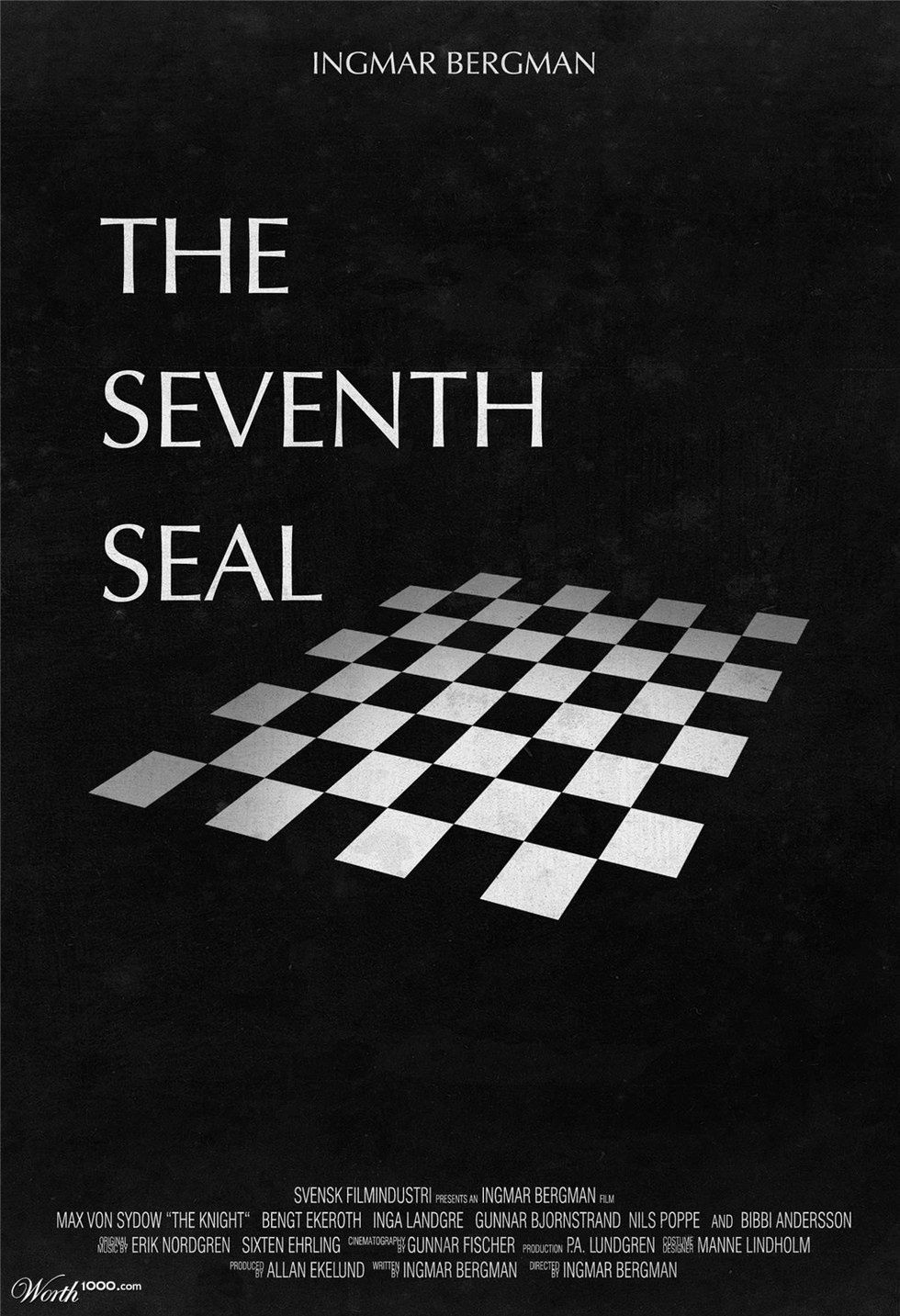
In one of the most prominent Swedish films created, Bergman asks questions about life, God, and everything in between. Bergman's film follows two knights returning from the Crusades only to find out that The Plague has swept through the nation. As they return to shore, Death personified visits the protagonist who challenges Death to a game of chess; if he wins, he gets to live and if he loses, he dies. In one of the films that was a precursor to the European Art Movement, Bergman manages to make a film that broke through to the masses that dealt with philosophical issues. Bergman was extremely influential on directors that followed him, one of the main ones being comedy director Woody Allen.
"The Bridge on the River Kwai" David Lean
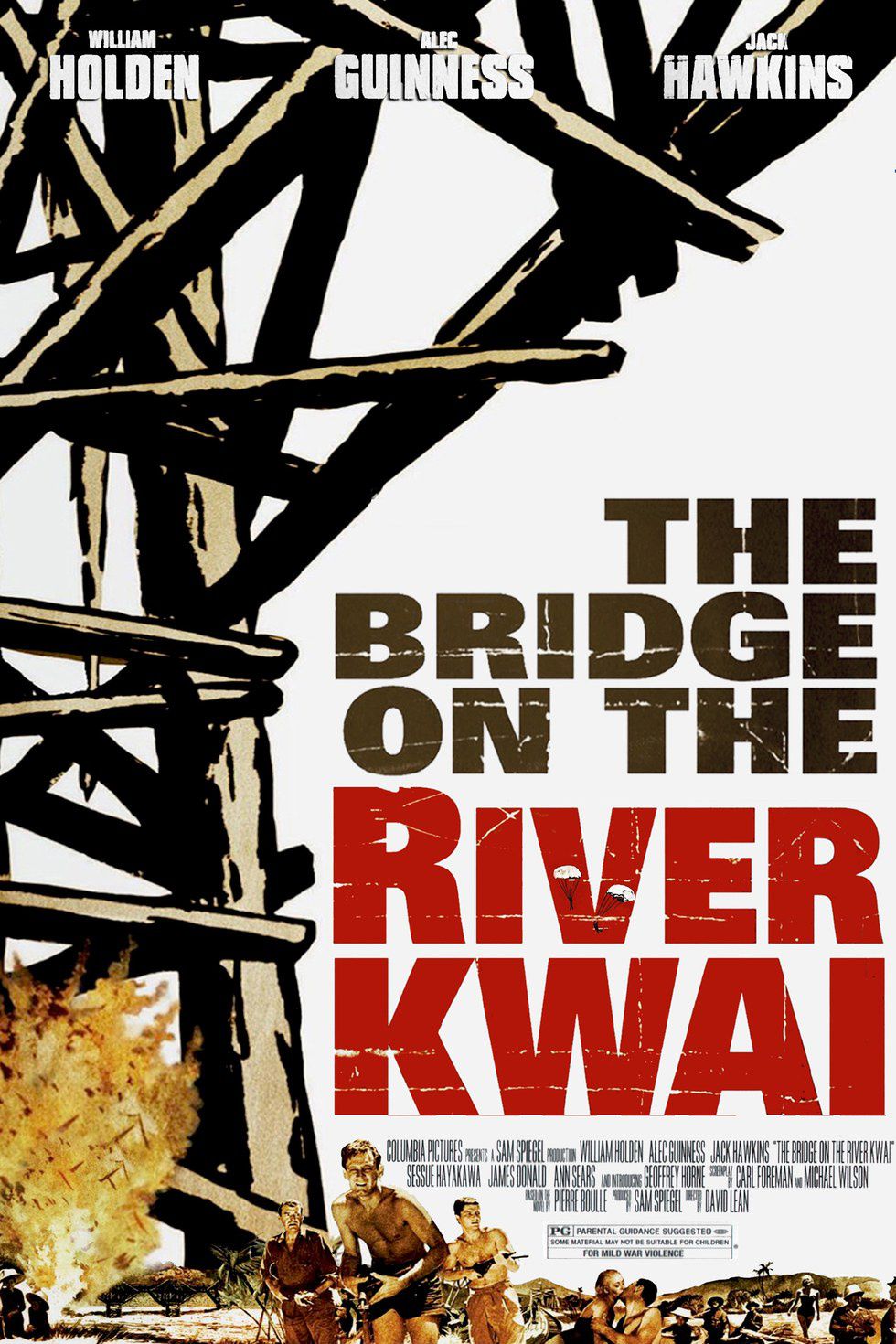
The Best Picture winner from 1957 is one for the ages. In one of Lean's many epics, he tells the story of a British colonel who helps co-operate the construction of a bridge for the Japanese POW camp that is holding them captive. All the while, the colonel doesn't know that the Allies are planning on destroying it. Lean's film opened up the way for films like "Ben-Hur," "Cleopatra," "Lawrence of Arabia" and even musicals like "My Fair Lady" and "The Sound of Music." These epics managed to control the cinema of the early '60s and influenced such gimmicks as Cinerama.
Be on the lookout for the next article coming out next week to showcase the next and fourth best year in cinema's history.