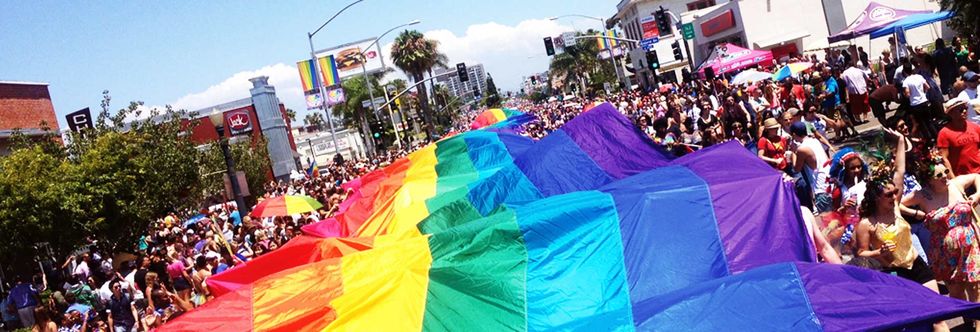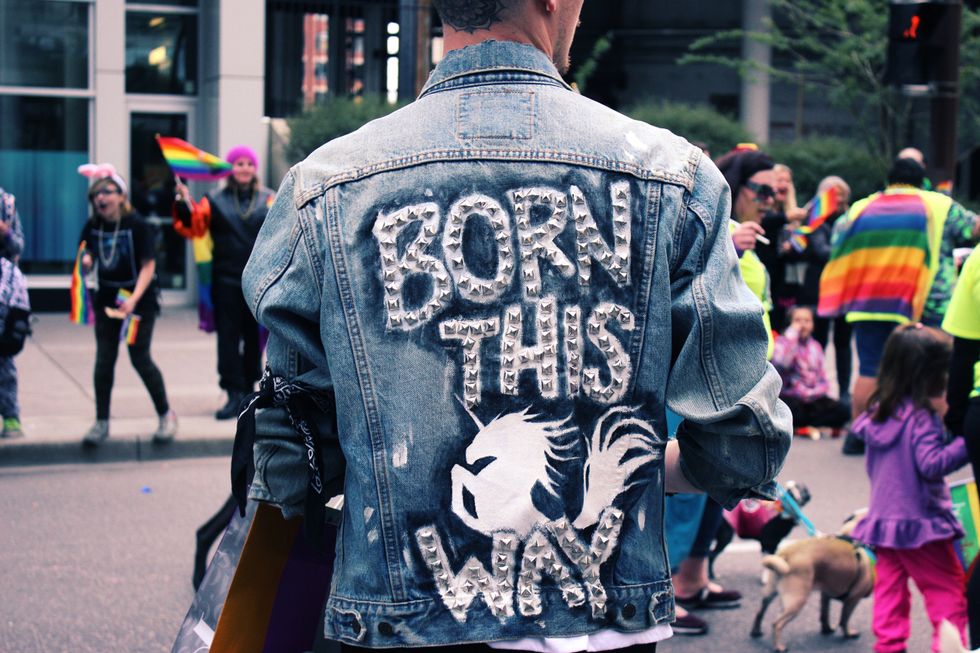
In case you weren't aware already, June is LGBT Pride month. (Yes, that is the reason all of those parades and rainbow flag merch is everywhere this month.) While the United States has made a huge amount of progress in the area of LGBTQ+ rights, it is still a place where stigma and misunderstanding permeate our culture. The stigma surrounding sexuality and gender isn't just perpetrated by straight, cis-gendered people, but by the LGBT community itself because let's face it: no one is perfect and all-knowing. So to celebrate Pride and try to reduce the stigma in our community, I'm busting some of the most popular myths about the LGBTQ+ community!
1. Bi, Bi, Bisexuals...
Are sluts, cheaters, gays-in-progress, fakes, dishonest, crawling with STIs, etc. There are so many myths about bisexuals that they might as well be a mythological creature (I'm looking at you, Unicorns). However, none of these are accurate descriptions of the very large group of humans who identify as bisexual. Think of straight men: are they all cheaters, abusers, rapists, and liars? No, there are plenty who are devoted, caring, respectful, supportive, and honest. The same goes for any other group. Just because there are dishonest people that identify as a certain sexuality does not mean the entire population of that sexuality is the same. This also applies to the "bisexuality is a phase" myth. Just because some very public figures claimed to be bisexual only to come out as gay later does not mean that all bisexuals are confused and are really just straight or gay. In reality, this is just because sexuality is fluid and attraction can change over time. Which leads me to the next myth...
2. Sexuality is a choice.
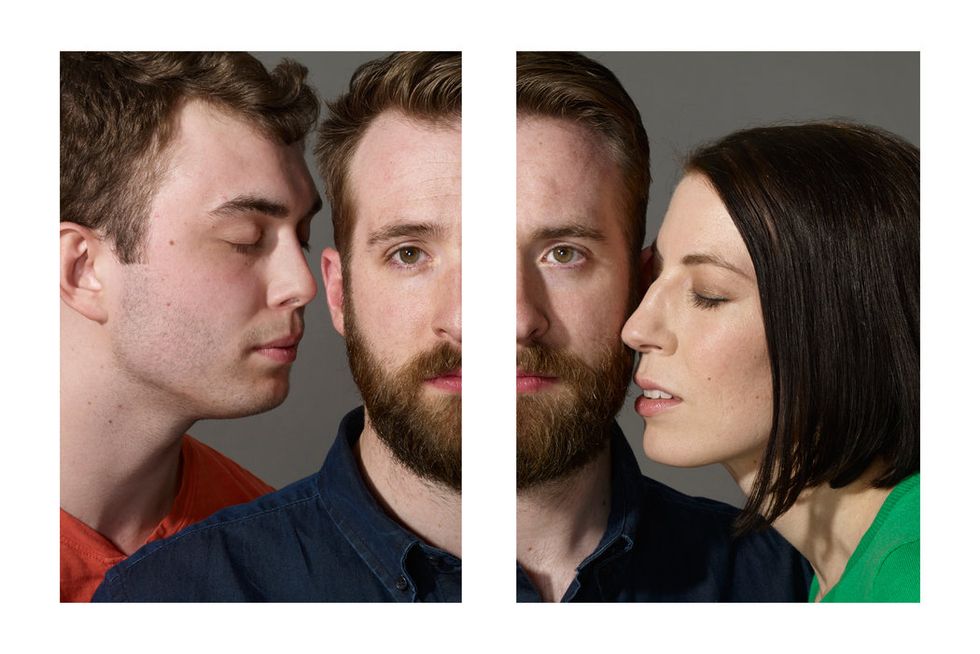
Have you ever dated someone and thought that they were attractive, sweet, sexy, funny, etc. only to look back after breaking up and see that they were none of those things? Love (and lust and infatuation) tends to make us blind to certain things about people we like and we really don't have a choice in that, because at the time we were attracted to them. The basis of sexuality is attraction, and like I stated before, no one can control who they are attracted to because it is rooted in chemicals and hormones beyond our control.
3. Being Trans* is trendy. (Therefore, it's also invalid)
This one is mostly because of the increase in young adults, teens, and celebrities who have come out in the past decade. This one is also possibly the most damaging because teenagers and young adults who identify as Trans* are more likely to be sexually assaulted, attacked, killed, become homeless, and commit suicide (the transgender suicide attempt rate is nearly nine times the national average for the US).

On a more personal note, coming from a Catholic, all-girls high school and knowing many peers who identified as male and suffered greatly because of it, I can't imagine why anyone would put themselves in danger for a fad or trend. I can't imagine my friends (and acquaintances) would attempt to kill themselves, be punished and ridiculed for their appearance, or be left out of their own yearbooks because they wanted to be different. It may be hard to understand for those of us who are cis-gender and comfortable with our assigned sex, but we need to make an effort to try and understand what others are going through.
4. The bathroom debate is pointless or dangerous for our children.
Stop right there. For people who are transitioning, bathrooms can be legitimately dangerous situations. For Trans men, there is the high risk of being sexually assaulted or physically attacked for trying to use the men's restroom. For Trans women, there is a smaller chance of being physically harmed, but they are more likely to be accused of sexual harassment, pedophilia, and face legal trouble for simply trying to use the women's restroom. Before you claim it is dangerous for your children to use the restroom with someone who identifies as the same gender, think about how dangerous it really is for the Trans community to be denied the right to safe restrooms. Everyone is someone's child and we all deserve a safe environment for our basic needs. (Besides, any suspicious activity can be reported to authorities for investigation and young children should never be left alone in a public restroom regardless.)
5. The Supreme Court ended the need for Gay Rights.
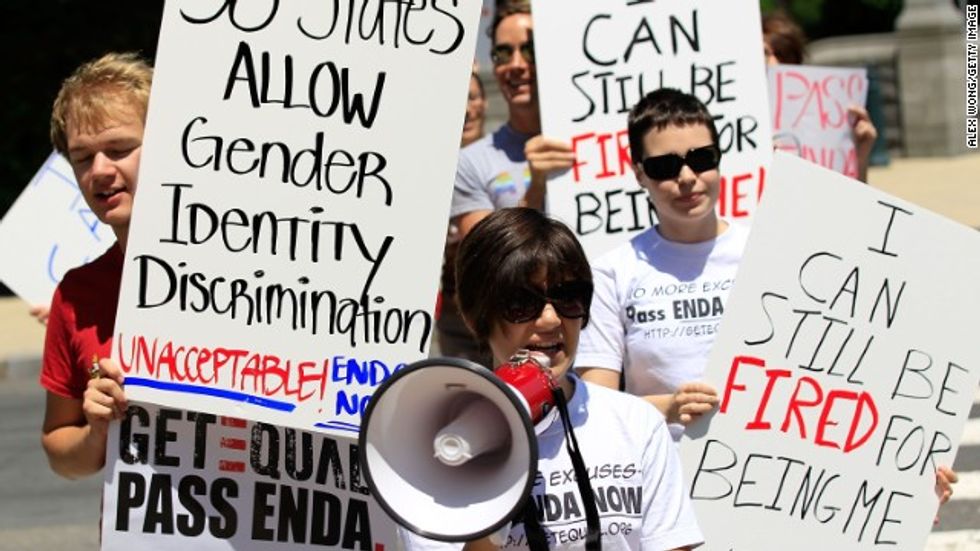
According to data provided by the ACLU and Washington Post, there are still bills that aim to limit the rights of the LGBT community being presented to Congress and signed into law. Most of these are bills that make it legal to discriminate and refuse service or coverage to LGBT individuals based on religious views. This means employers could deny basic healthcare to their employees and cases of discrimination could not be taken to court in civil lawsuits. Imagine being denied healthcare because someone else thought it was wrong for you to marry someone of a different ethnicity or practiced a different religion. More than 250 bills aiming to limit LGBT rights have been introduced nationwide in the past four years alone. This is still an issue that needs to be dealt with if we want to be able to truthfully say we are a nation dedicated to freedom and justice.
6. You can tell someone's sexuality without being told.
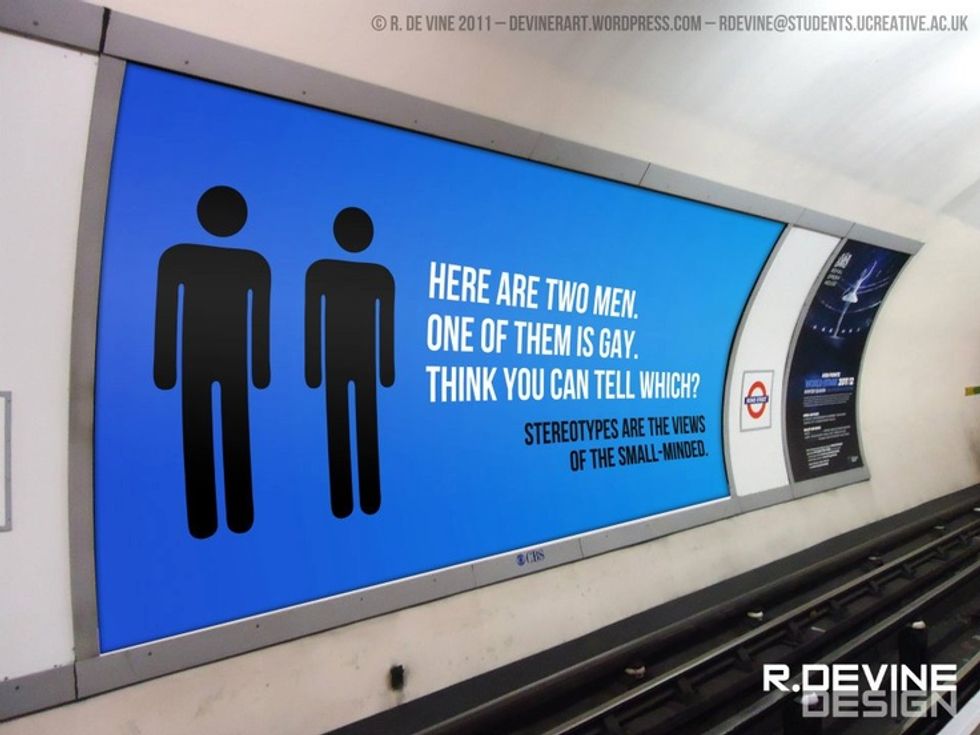
The man who wears skinny jeans and has a high-pitched voice must be gay. The athletic woman with short hair must be a lesbian. Sometimes it's referred to as "gaydar" but it's usually pretty inaccurate and it reinforces stereotypes that gay men are effeminate and lesbians are butch. Style and attitude aren't what makes a person gay, their attraction to the same sex is. Therefore, there is nothing gay about a man wearing pink, trendy clothes, preferring cleanliness, being vegan, not watching sports, or being sensitive. There's also nothing inherently straight about watching or playing sports, hard labor, an aversion to shopping, liking action movies and hating rom-coms, camping, etc. Sure, many people fit the stereotype (that's why it exists), but just remember that just because some people fit the stereotype does not mean the stereotype fits all people.
7. It's damaging for kids to see LGBT characters (both fictional and real).
Okay so maybe it's not a good idea to let your child watch Queer as Folk or The L Word, but that's mostly for the same reason it's not appropriate for your child to watch Desperate Housewives or Game of Thrones. Seeing a gay couple on TV is not going to hurt your child or turn them gay, but it can help your child understand and accept others if it's presented appropriately and in a positive way. (This extends to letting your daughter play with toy trucks and letting your son play with play kitchens, it widens their world and can help them develop motor skills and no it will not cause your child to identify as another gender or sexuality later in life.) Love is love and it is important for children to see examples of healthy, loving couples and a variety of people when they are growing up.
8. Pansexuality vs. Bisexuality. (And that both are bad.)
This is a debate that has been going on for the past few years in the LGBT community. Pansexuality is basically an attraction to people regardless of their gender, while bisexuality is traditionally attraction to men and women, but can also be used to describe an attraction to two sexes or genders. They're both valid and neither are evil or divisive in any way. Bisexuality is not transphobic (I mean come on, are you really accepting if you don't consider a trans man or woman to just be a man or woman?) and pansexuality is not biphobic.
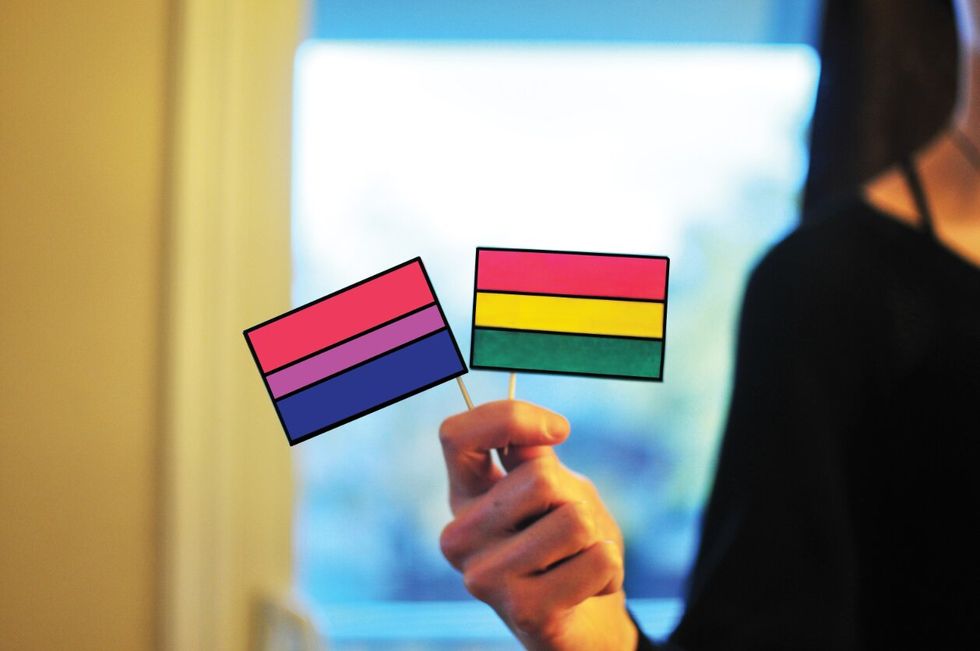
9. It's okay to call someone queer because it's making a comeback.
It's making a comeback as a description of fluid sexuality, not as an insult or slur. If someone says they identify as queer, it is totally okay to refer to their sexuality as they have. If someone says they are literally anything else, calling them queer without permission or valid reason is not okay. (And you might get some dirty looks for it.) In general, it's polite to just refer to someone by their name, not their sexuality or a slur. (And no it is definitely not okay to call anyone a d*ke, f*g, or tr*nny.)
10. The LGBT community is all liberal, atheist, hippie and socialist.
I'm going to repeat something I've said multiple times already: just because someone from the LGBT community fills a certain role does not mean every LGBT individual also fits that role. There are Catholic, Mormon, Jewish, Muslim, etc individuals who also happen to be part of the LGBT community. Same goes for conservatives, pro-lifers, blue collar workers, people living in poverty, and those in every part of the country.