
I've always loved art. The expression of creativity that comes to us in so many amazing varied ways. From comedy to music, paintings to writings, I've been fascinated by the ability to create. When I was a kid, I memorized comedy routines and repeated them, wrote several direct rip offs of Paddington Bear and Winnie the Pooh and basically emulated the arts I loved. Eager to make my own original content I searched for that magic, what drives creativity, what inspires imagination? By ten I thought I had it pinpointed. I thought it was pain. I thought it was misery and hard times and terrible struggle. In fact I was so convinced this was the case I told my mom that I wished she treated me worse so that I could become a great comedian. I spent my teen years being miserable and struggling and evendors when I was suffering greatly there was a small part of me that was satisfied because it meant to me that I was going down the right path for artistry.
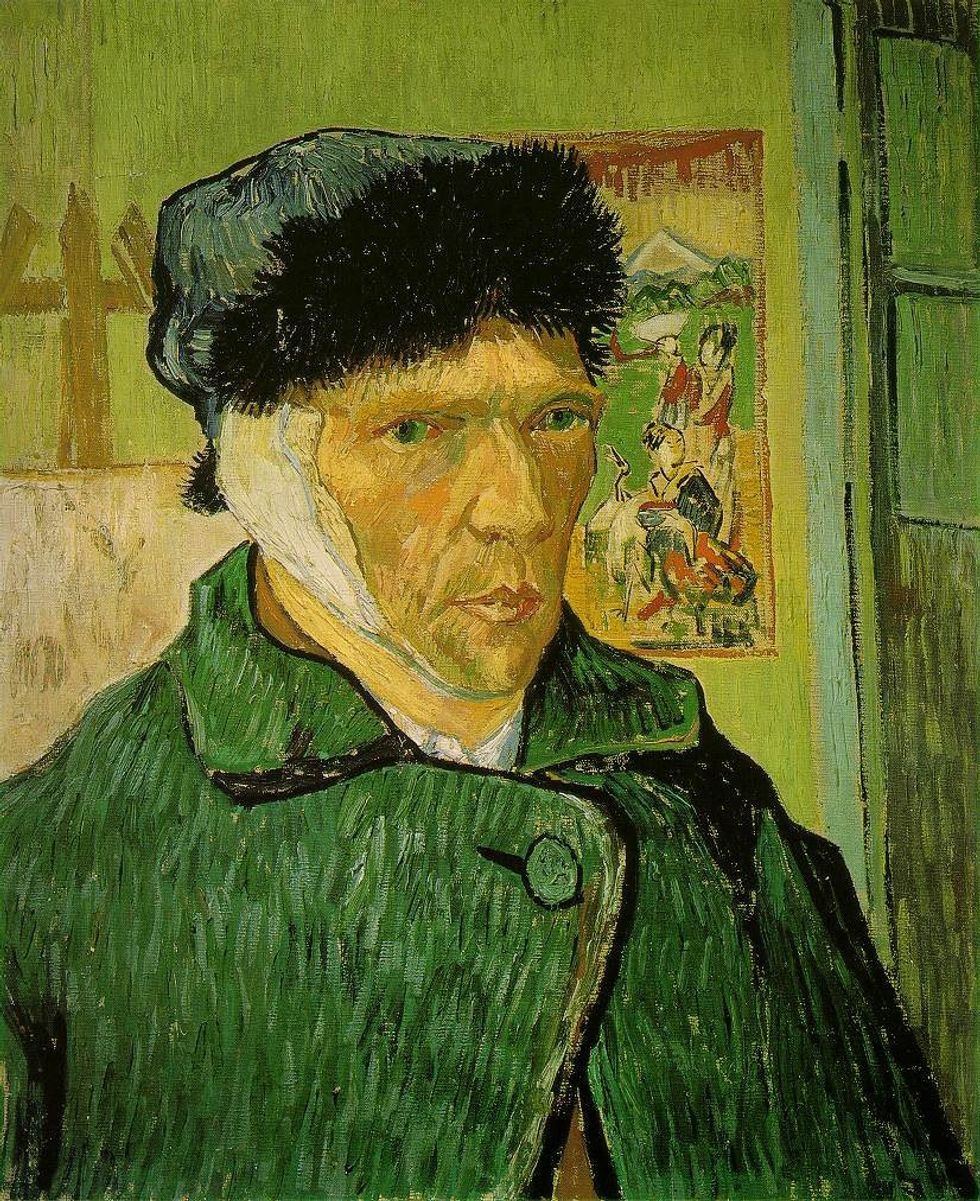
This is the predominate social opinion as well. We tend to value the works of those who have suffered as more profound or authentic. I think it's a load of toxic bullshit. I think that art can be an incredible coping technique for suffering people but this glorification of misery is literally killing artists. How much alcoholism, drug abuse, mental health issues and suicide do we enable in the name of art? Can we really justify it? It's seems wildly unethical, elevating art above the wellbeing of artist, especially considering that art is often received as restorative and healing. That's an incredibly parasitic relationship.
We as a society enable this toxic standard of artistry by romanticizing suffering. We in general tend to romanticize our trials and tribulations because we want to give them meaning. The idea that our suffering is just that is a hard one for us to come to terms with. Sometimes people can have great revelations and learn about themselves and marvel at human endurance but ultimately it comes with trauma. Trauma, both physical and mental, takes extreme tolls on us and this idea that people ought to accept and perhaps seek out trauma for the sake of authenticity is extremely predatory.
We really devalue artists, too. Imagine if someone told a teen who wants to be a lawyer that half the people who take the bar exam fail, and if you fail you're in debt with nothing to show for it. We do that to artists. We often tell them the risk is far greater than any potential reward. That society doesn't really value it. It's perpetual, instilling the societal idea that it's not a worthwhile pursuit, and accept diminishing artists while enjoying and consuming art nonetheless. It fosters an unnecessary hostile environment which in turn perpetuates the idea of the suffering artist.Why isn't happiness considered as profound as misery? It's certainly more elusive and desirable.
Now, the creation of the long suffering artist certainly has artists contributing as well. There is this really rooted idea that this suffering is internal because as artists, we are grappling with creativity. Why are we wrestling with it? Because inspiration is a fickle, fickle creature. It's only recently however that we begin considering inspiration as internal. Many cultures and religions believed inspiration to be external, and often divine. I use this philosophy with myself and I've found it honestly offers great relief. This doesn't mean I shrug my shoulders and don't create until I have inspiration. Art is about consistently showing up to work with it, as an artist, because you love it. Inspiration is individual flair for that work.
Life is pain, as Rhe Princess Bride taught us. I'm not trying to sell you anything, I promise. There is a lot in life we can't control. However, social issues are within our ability to change. And the continued acceptance of excess misery or the ignoring of mental and physical health for ‘the sake of art’ (or any other reason) is one I'd like to have changed.