


Our generation has progressed since the era of sex, drugs, and rock and roll. We have glamorized drug use and seen an increase in the amount off users. Over 50 percent of young adults between the ages of 16-25 admit to using the many drugs (excluding marijuana), without knowing their possible side effects. Here is a list of the most popular drugs used today:
Drug: LSD
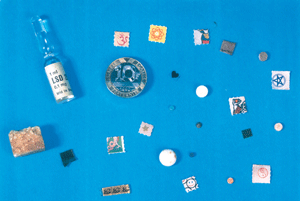
LSD, otherwise known as "acid," allows the user to step into new dimensions by opening up the receptors in the brain. LSD interferes with the way the brain's serotonin receptors work. It also affects the way that the retinas process information and transfer that information to the brain. This change in receptor function allows users to think about everything they are experiencing around them deeply and quickly. Many users come to deep philosophical conclusions about the universe through use of the drug.
Forms of LSD:
Tabs of paper, liquid, gelatin, or sugar cubes.
Things you should know:
LSD remains in the body forever. It stays in the brain and spinal fluid in minuscule amounts and many people claim that they experience acid flashbacks where the brain holds and may release molecules of LSD over time.
The short term affects:
- Extreme changes in behavior and mood;
- A trance or dream-like state of mind
- Altered perception of time
- Chills, irregular breathing, sweating
- Changes in sense of light, hearing, touch, smell
- Nausea and lack of appetite especially in the first two hours
- Increase in blood pressure, heart rate and blood sugar
- Fatigue the next day
The long-term affects:
Problems associated with chronic or heavy LSD use are:
- Rapidly changing feelings and emotions, immediately and long after use.
- Chronic use may cause persistent problems, depression, violent behavior, anxiety or a distorted perception of time.
Drug: MDMA
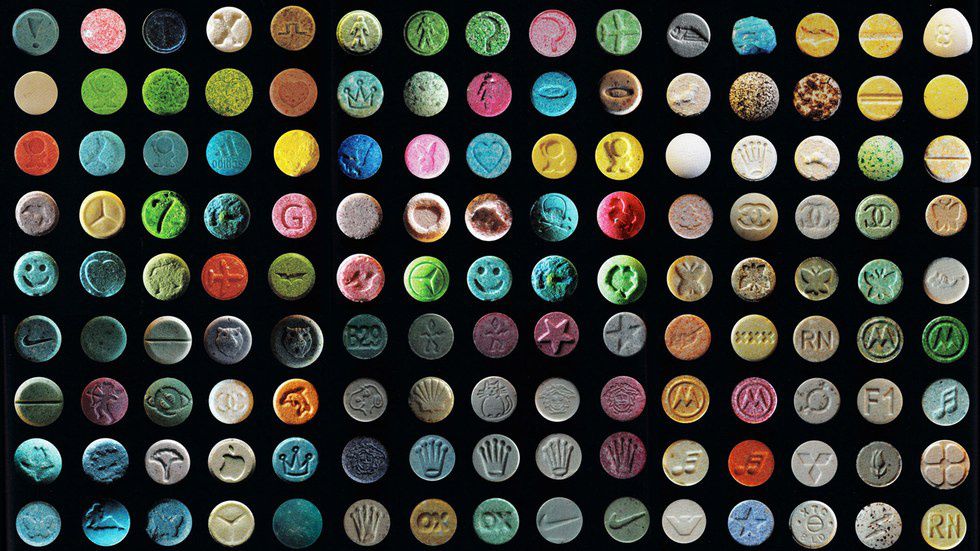
MDMD comes in many forms and has become a popular drug in rave culture. The drug has seen a major increase in usage in the 2000s and comes in many sizes and colors.
Forms of MDMA:
Pills stamped with symbols, or "Molly" in clear capsules.
Psychological Affects:
MDMA's psychological effects include entactogenesis and empathogenesis and enhancement of the senses.
Entactogenesis means touching within. Its a generalized feeling that makes the user feel happy and at peace. Common feelings are heightened and the world and any kind of visuals in front of the user seem more beautiful than usual.
Empathogenesis is a feeling of emotion closeness to others and ones self that breaks down personal communication barriers.
Enhancement of the senses refers to the user's body feeling more intensely and experiencing euphoria. Normal sensory feelings are heightened and the user experiences heightened energy levels.
Things you should know:
The use of MDMA makes it extremely easy for a user to become dehydrated and develop hyperthermia (heat stroke/over-heating).
The short term affects:
- Feeling of euphoria
- Increased energy
- Blurred vision
- Faintness
- Chills
- Sweating
- Teeth clenching
- Day-after depression
The long-term affects:
- Memory loss
- Reduced levels of seratonin in the brain
- Needing more of the drug to get the same effect
Drug: Psilocybin (Mushrooms)
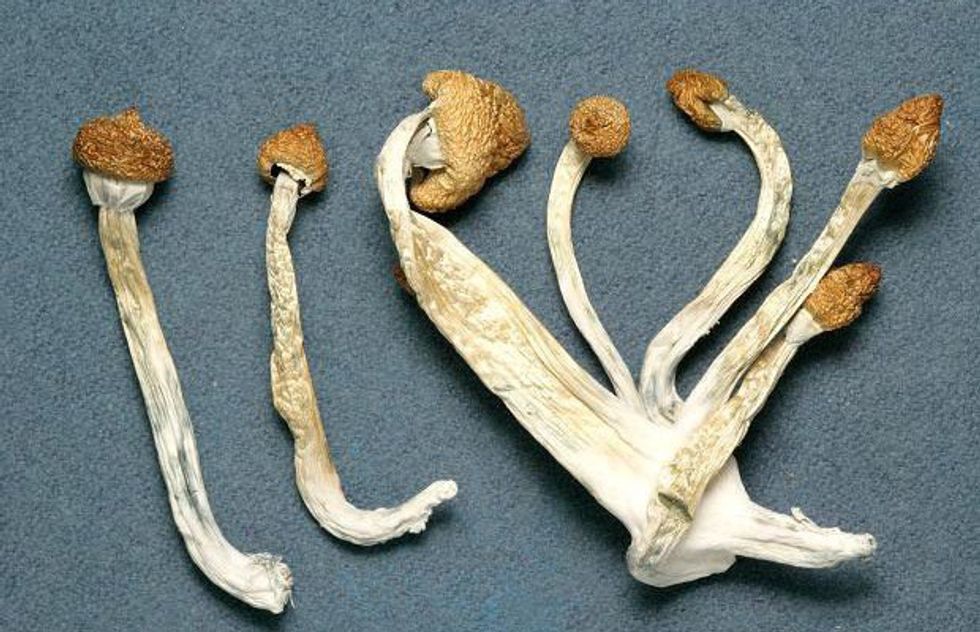
Also known as "shrooms" or "magic mushrooms," this natural drug is a special form of mushrooms that is chemically related to LSD. Small doses of these mushrooms produce effects that occur within half an hour of consumption.
Forms of Psilocybin:
Dried mushrooms.
Things you should know:
Users can experience "bad trips" very easily if they are in an environment they are uncomfortable in or surrounded by people they do not trust.
The short term affects:
- Lightheartedness or dizziness
- Numbness of the tongue, lips, or mouth
- Shivering or sweating
- Nausea
- Anxiety
- Distorted perception of reality
- Mood swings
The long term affects:
- Extremely unpleasant hallucinations that the fear of that experience remains with them for life.
Drug: Cocaine

Cocaine hydrochloride is a central nervous system stimulant that hinders the re-absorption of dopamine in the brain. Among the drugs on this list, cocaine is undoubtedly the worst for you.
Forms of cocaine:
White powder that can be snorted, or clear crystals that can be smoked, or injected.
Things you should know:
Cocaine is highly addictive and repeated use can cause agitated behavior, mood swings, and heart attacks.
The short term affects:
- Nasal pain
- False sense of power
- Violent behavior
- Raised blood pressure, heart rate, and respiration
The long term affects:
- Cardiovascular problems, including irregular heartbeat, heart attack, and heart failure
- Sleeplessness or sexual dysfunction
- Diminished sense of smell or perforated nasal septum
- Nausea, and headaches
- Strokes, seizures, fungal brain infections, and hemorrhaging in tissue surrounding the brain
- Fluid in the lungs
- Aggravation of asthma
- Psychiatric complications such as: psychosis, paranoia, depression, anxiety disorders, and delusions