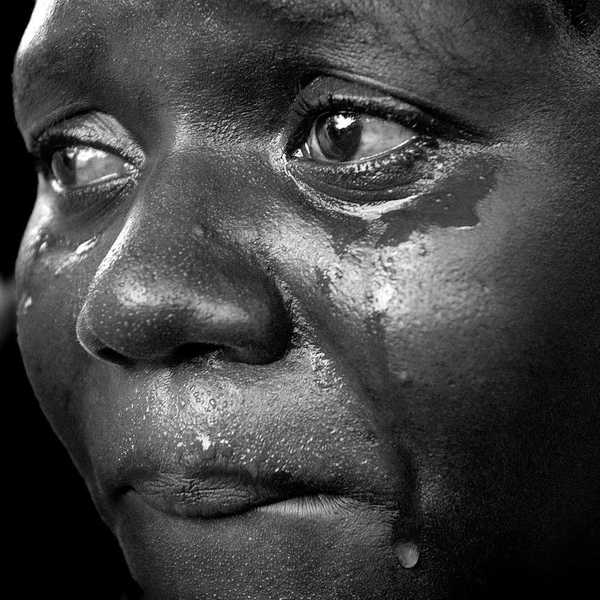


1) Climate Change
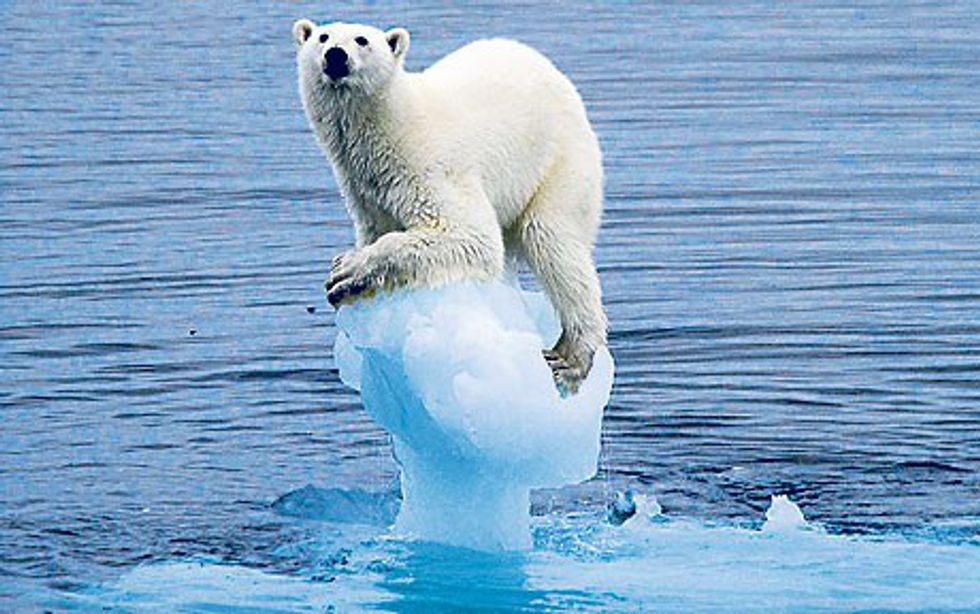
Between rising global temperatures, shrinking polar ice caps, and increasingly frequent and more extreme weather events, there is no doubt that the ongoing threat of climate change is one of, if not the, biggest threat to the world as a whole. While many advanced nations have, historically, taken significant action to address their respective and collective contributions, such as the Kyoto Protocol of 1997, the danger has by no means subsided. Action continues to be taken, however, as the United States and China announced in the fall of 2014 their mutual ambition to formulate a binding bilateral deal that will get both world leaders on the same team in expressively combating the growing threat of climate change, hoping additionally to set an example for other developed nations across the globe.
While global leaders form initiatives and establish protocol, we the people must do more to address what could very well be the greatest threat we face in our lifetime. We must continue to advocate for clean, renewable, and non-environmentally damaging energy sources such as solar, wind, or hydroelectric power.
We must continue to support efforts that limit carbon emissions both globally and domestically, and support regulations that responsibly and appropriately limit the amount of pollution emitted by existing coal and oil plants. We have only ourselves to blame should the growing threat of climate change go unchecked and harm future generations, and we have only ourselves to rely on to address what could be the greatest threat to our planet.
2) Child Labor
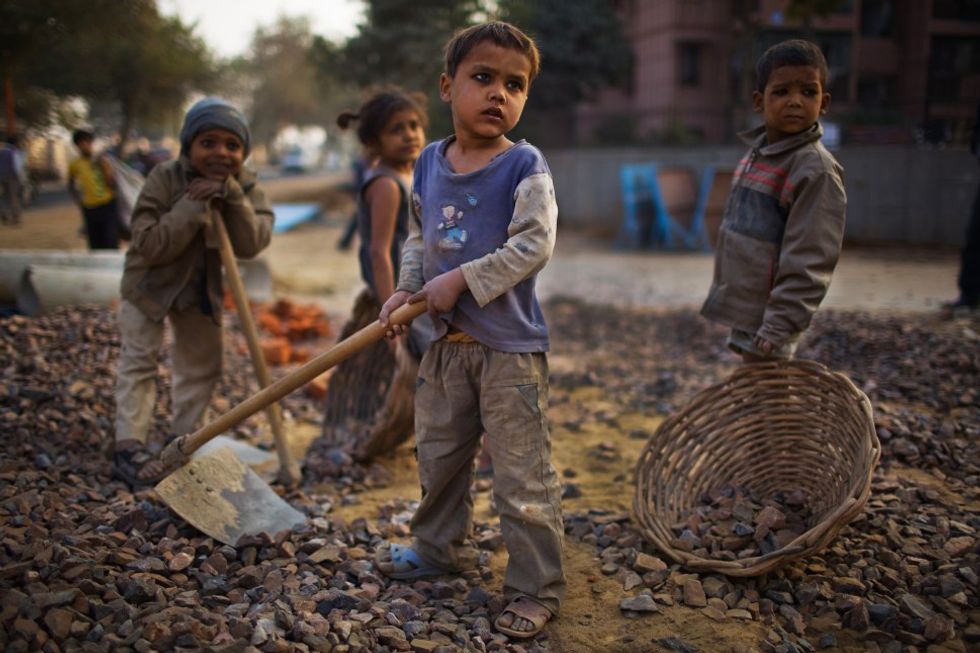
An issue not commonly discussed, but unquestionably prevalent in the modern era, is that of child labor. While legislation in various sovereign nations and international organizations expressly prohibit the use and manipulation of child labor, such as the United States’ Fair Labor Standards Act of 1938, it remains alive and well. Developing nations with stubbornly high poverty rates and very limited educational opportunities are the main offenders, with sub-Saharan Africa boasting the highest incidence of child labor in the world. In the most egregious cases, several African nations experience over 50% of children ages 5-14 involved in some form of labor.
Agriculture is the largest employer of child labor globally, with the vast majority of these cases found in strongly rural settings and deeply impoverished communities. Notably, and with a tragic irony, most children involved with any form of illegal child labor find themselves employed predominantly by their parents or guardians, rather than factories or industry itself.
While worldwide incidence of child labor has decreased from 25% when observed in 1960 to 10% during the early 2000’s, there are still roughly 170 million children ages 5-17 worldwide that are involved in some form of child labor. In more poverty-stricken areas of sovereign nations like India, Bangladesh, or Kenya for example, children can make up a very large slice of the total workforce pie. Allowing the continued use and manipulation of child labor on a large scale is contradictory to the very essence of our collective humanity, and is a practice that we the people ought to end with all due haste.
3) World Hunger
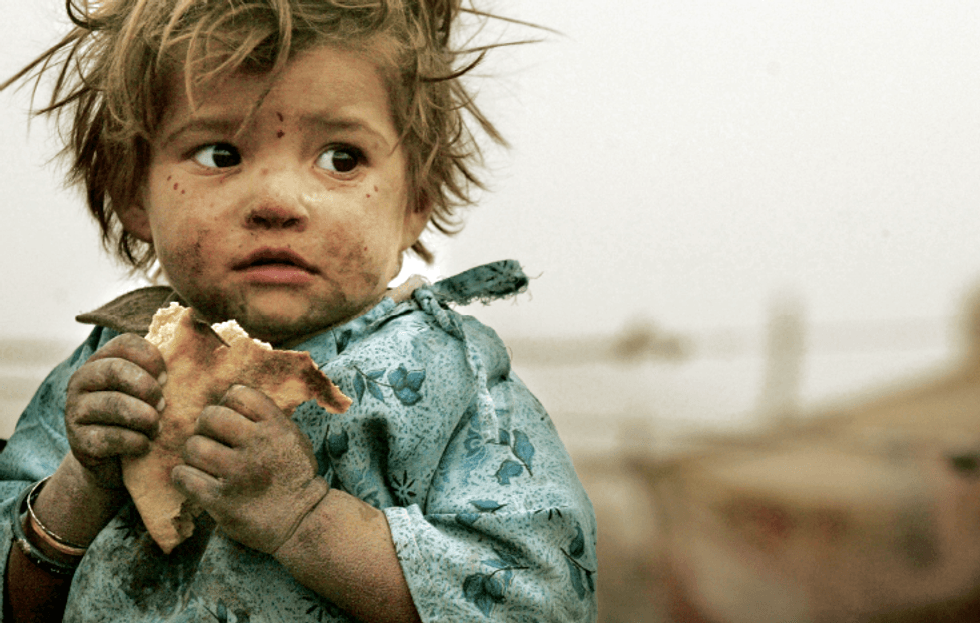
Last but certainly not least in this series of three big bads is the ongoing pandemic of worldwide hunger and undernourishment. The United Nations Food and Agriculture Organization estimates that about 805 million people out of the 7.3 billion people in the world, or approximately one in nine, were suffering from chronic undernourishment from 2012 to 2014. Almost all of these people, roughly 790 million, live in developing countries, representing about 13.5 percent of the aggregate population of those countries.
Much like child labor, sub-Saharan Africa is the worst offender of undernourishment. Two-thirds of the global count of undernourished people live in the sub-Saharan area, representing about 25% of the total population of the region, the highest incidence of undernourishment of any region in the entire world. Not to hog all the glory, across the Arabian Sea lies Southern Asia boasting the highest rates of hunger in the world, with approximately 275 million people chronically underfed throughout the region.
While there are several international organizations formed to stem the tide of global world hunger, such as UNICEF or the World Food Programme, we must continue personal and united efforts to combat this tragic and far too prevalent problem. In the 21st century, with all of our accomplishments, technological advancements, and unprecedented capabilities, no one should go hungry. No parent should watch their child suffer or potentially starve due to factors simply beyond their control. The present rates of undernourishment and hunger across the world are frankly unacceptable, and we cannot stand to allow this heartbreaking trend to continue under our watch.