

As an art student, I look at tutorials to give me an in-depth understanding of the fundamentals, beyond what I learn in the classroom. There are times when video tutorials are not enough, so book research comes in handy. If you want to perfect your craft, I suggest looking at older ways of learning from back in the day when the video medium was not relied on. Here are 11 examples of art books that can help boost your skills.
1. "Drawing The Head & Figure," by Jack Hamm
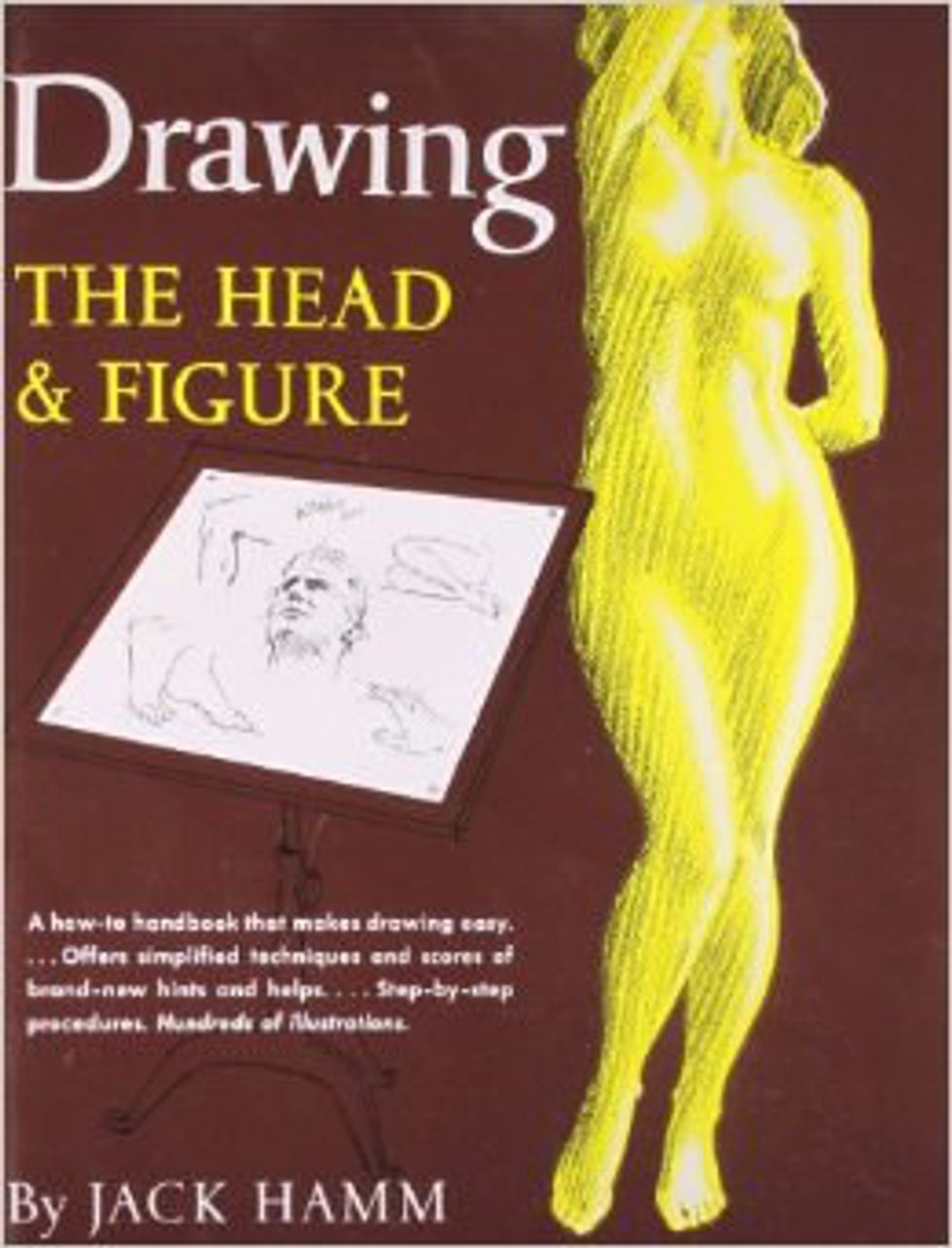
Jack Hamm is an author of many art books, such as "How to Draw Animals," and "How to Draw Cartoons." He gives descriptive information on the human figure with side angles, back angles, feet, and hands while using various methods of measurement and scale. There are anatomical studies of the human skeleton form, and where each joint, muscle, bone fragment is located to give the reader a sense of where to draw.
2. "Color and Light," by James Gurney
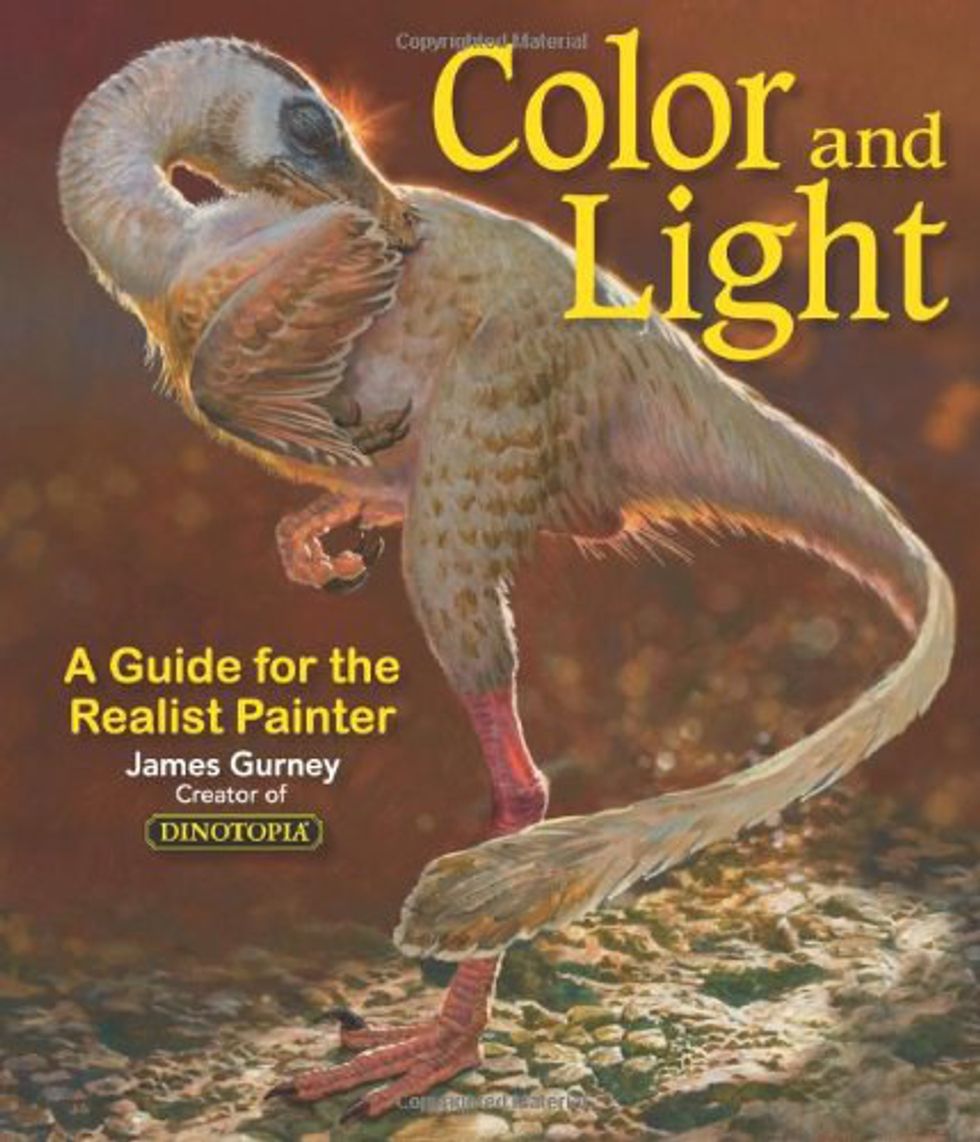
For the realistic painter, "Color and Light" is a book that gets down to the details of formulating. It talks about where and how to place lighting within a composition and how to enhance the smallest details to emphasize realism. The guide uses numerous examples of painting deconstructions and elaborate descriptions to convey the color of your painting composition.
3. "Drawing Scenery: Landscapes and Seascapes," by Jack Hamm
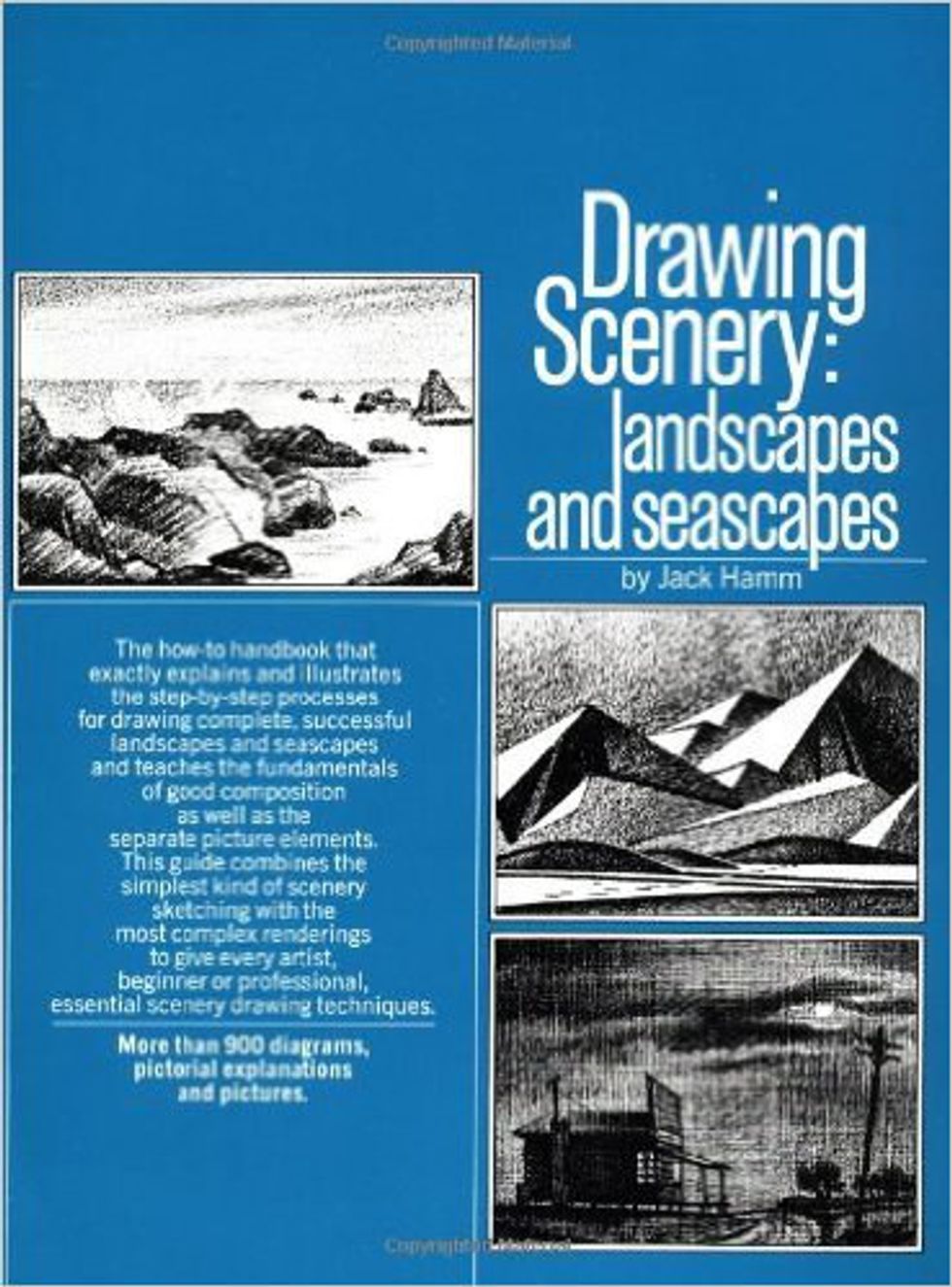
This book presents various drawing techniques to guide you on how to render your landscapes and seascapes. It has detailed step by step instructions alongside thumbnails. It describes in depth, how to produce a drawing that replicates actual texture done with a pencil.
These are a few examples of art books that can help to guide you in learning the fundamentals. There are many individuals on the internet that teach art by video, but there is nothing better than to educate yourself from professionals the traditional way.
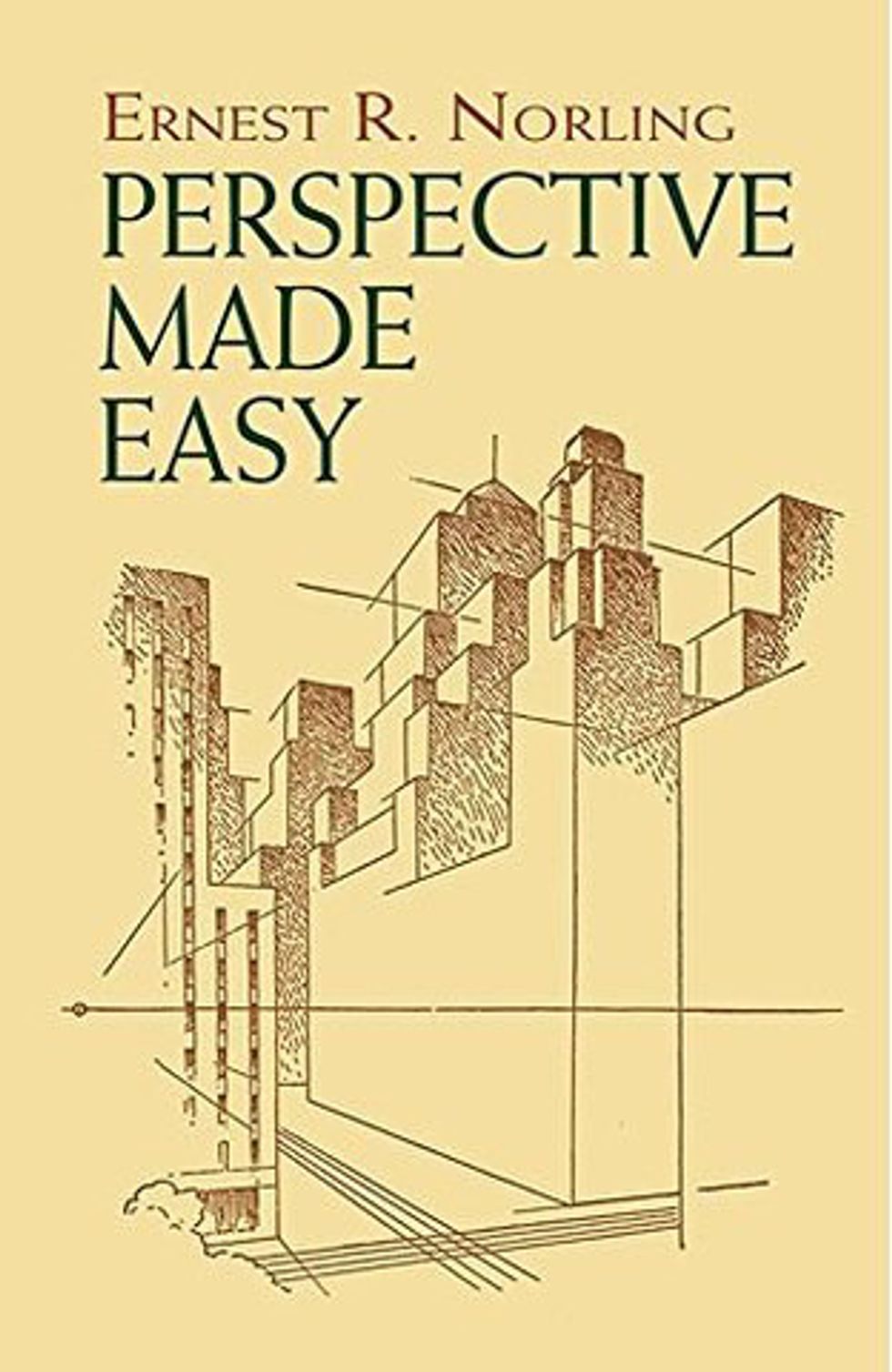
4.Perspective Made Easy (Dover Art Instruction)
Amazon.com
There will be times where an art student or professional artist will face difficulty in presenting perspective in a way that presents a realistic complexity that is portrayed correctly. This book shows step by step examples of perspective made easy for the target audience to catch on to easier, then it would be to glance at a building and hold a pencil up.
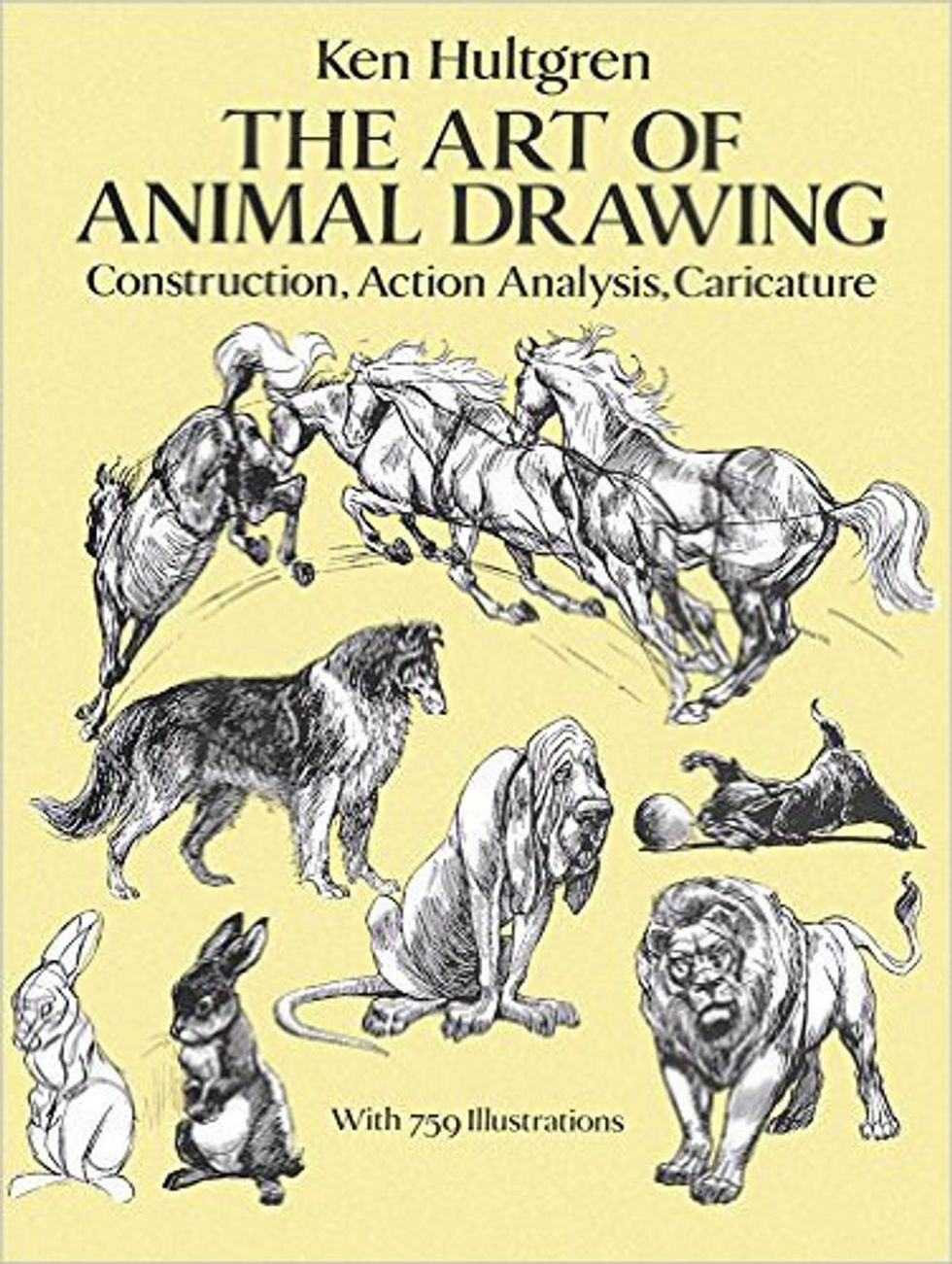
5. The Art Of Animal Drawing by Ken Hultgren
Amazon.com
Besides drawing people, the anatomy of drawing animals and drawing them to convey action
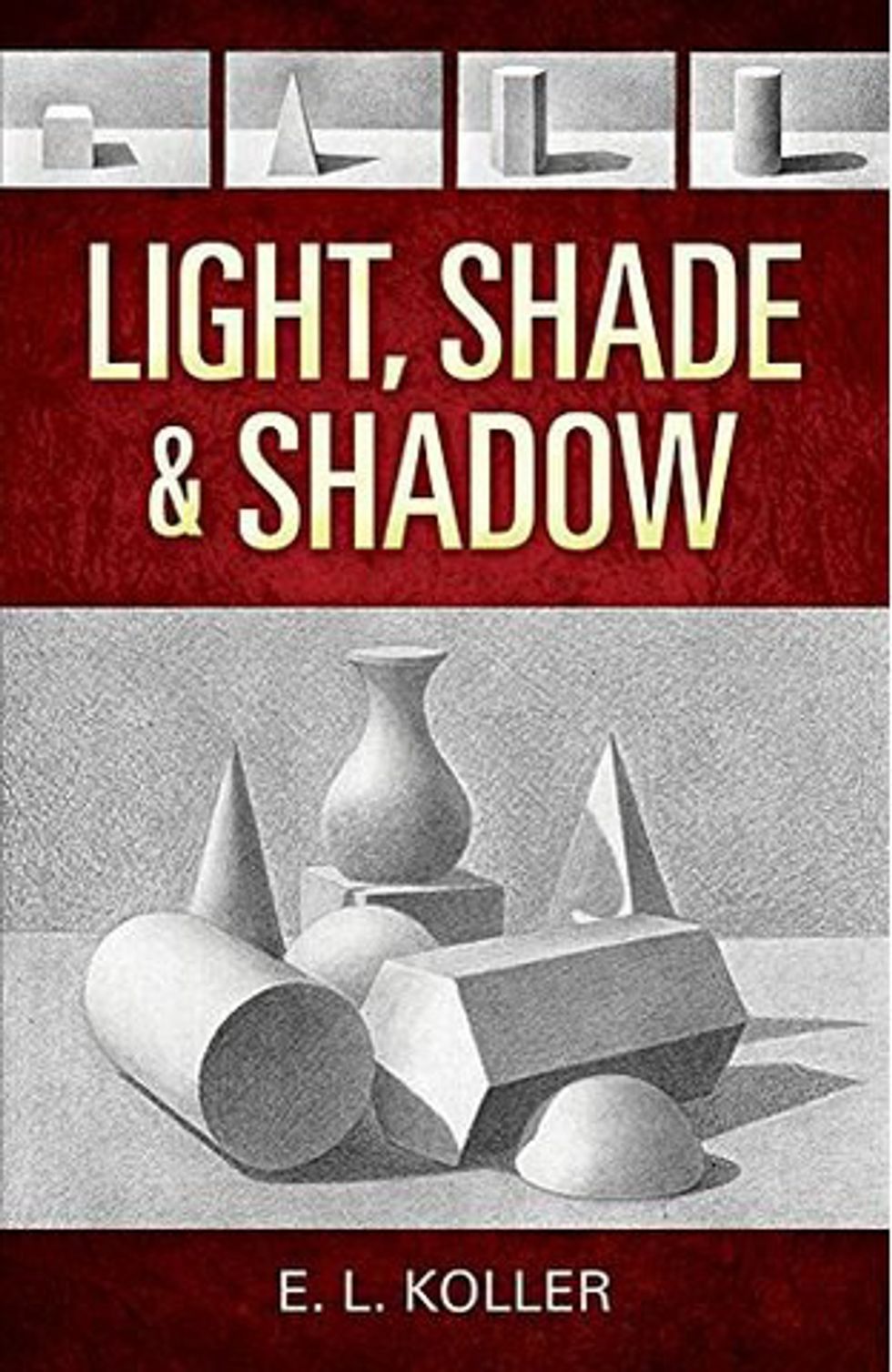
6. Light, Shade & Shadow by E.L. Koller
Amazon.com
This book is resourceful for understanding the different tonal values found in artwork, and how to implement them into your work.
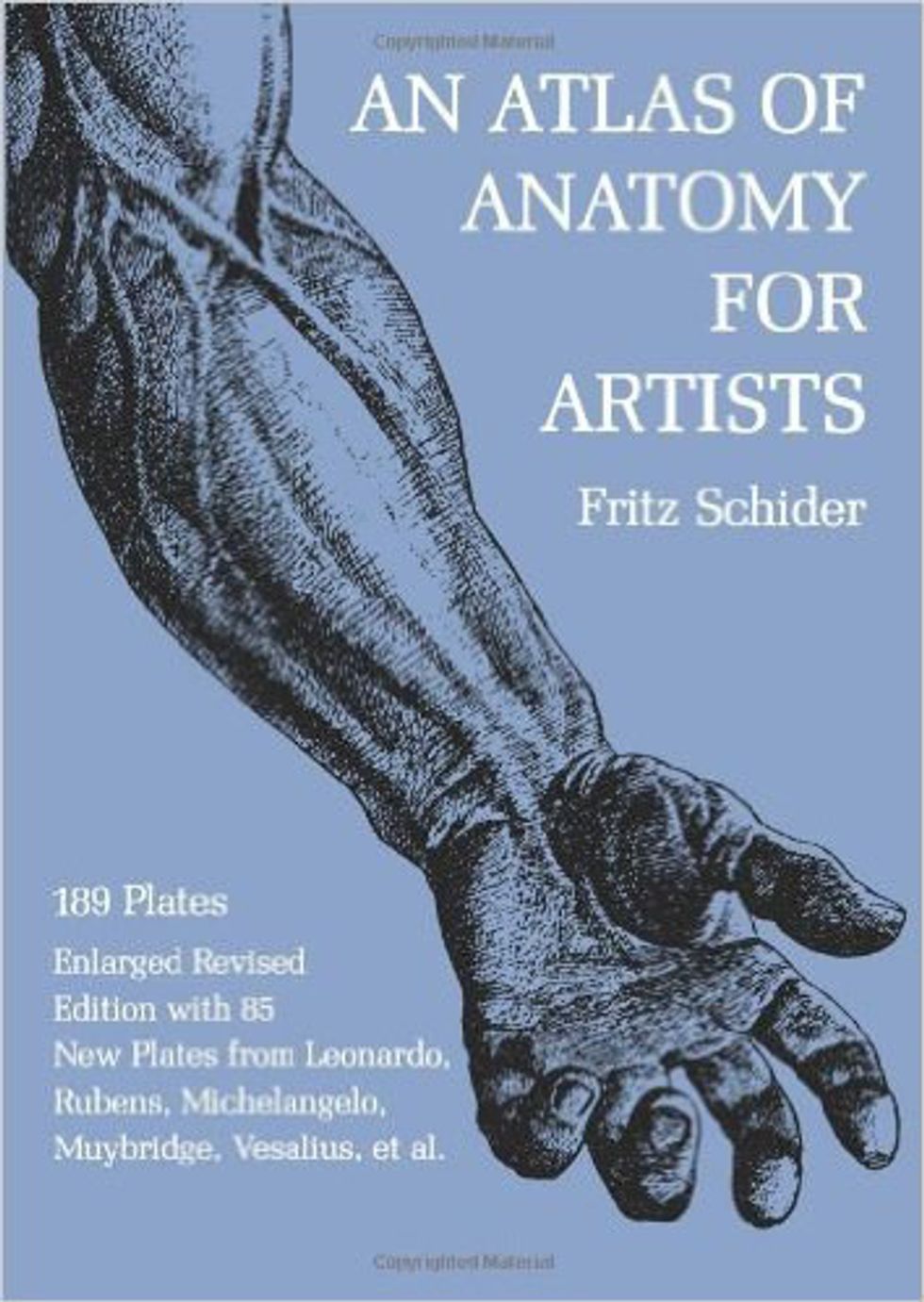
7. An Atlas of Anatomy for Artists by Fritz Schider
Amazon.com
An atlas of anatomy for artists, gives a conductive study on the human form through in depth research using skeletal, flesh, and muscle studies. This is one of the few books that goes beyond the basic shapes of drawing the human figure.
8. Cartooning The Head & Figure by Jack Hamm
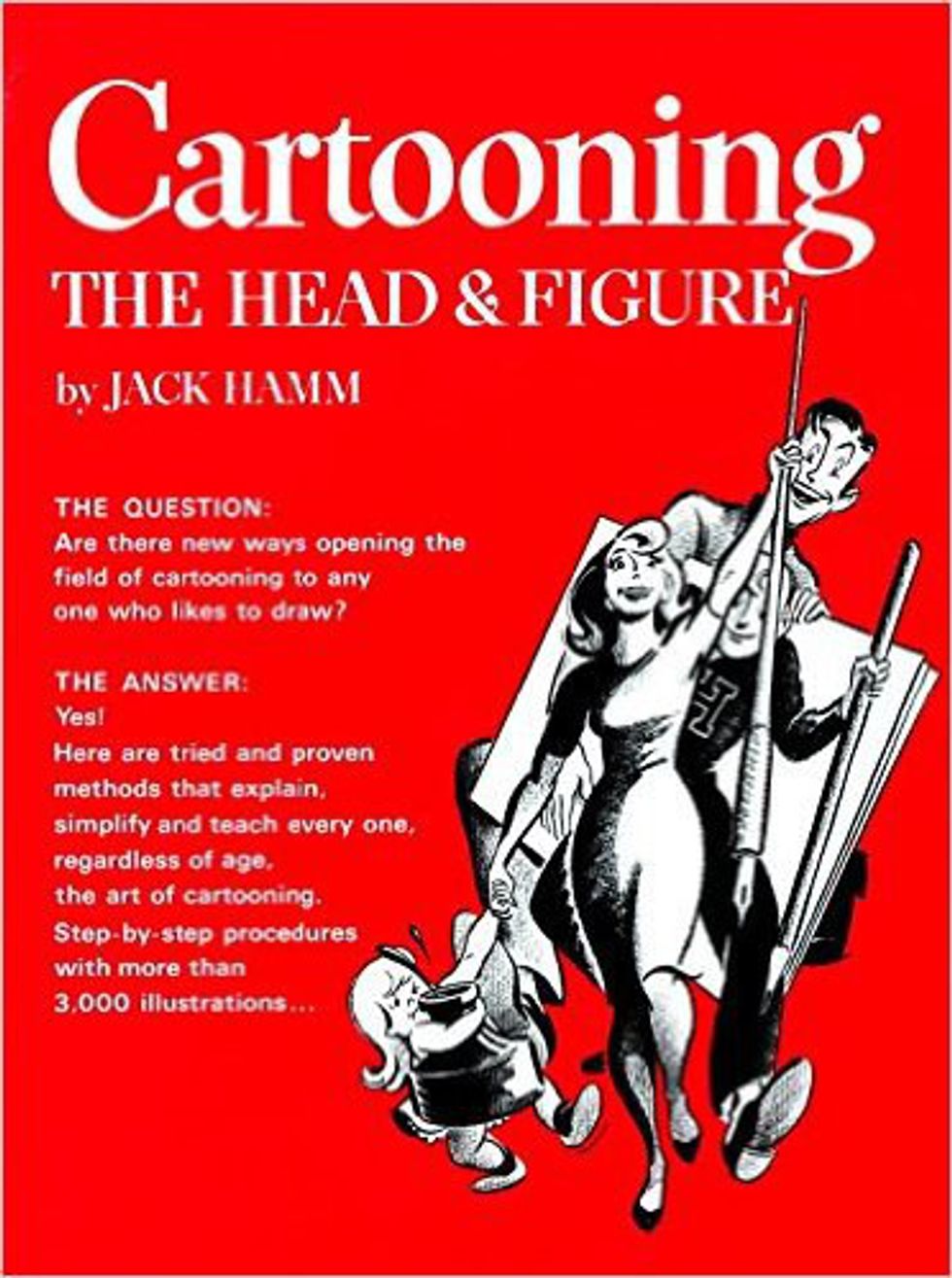
For the cartoonist, Jack Hamm uses a step by step approach to applying various techniques to caricature certain character traits, from the observation of life.
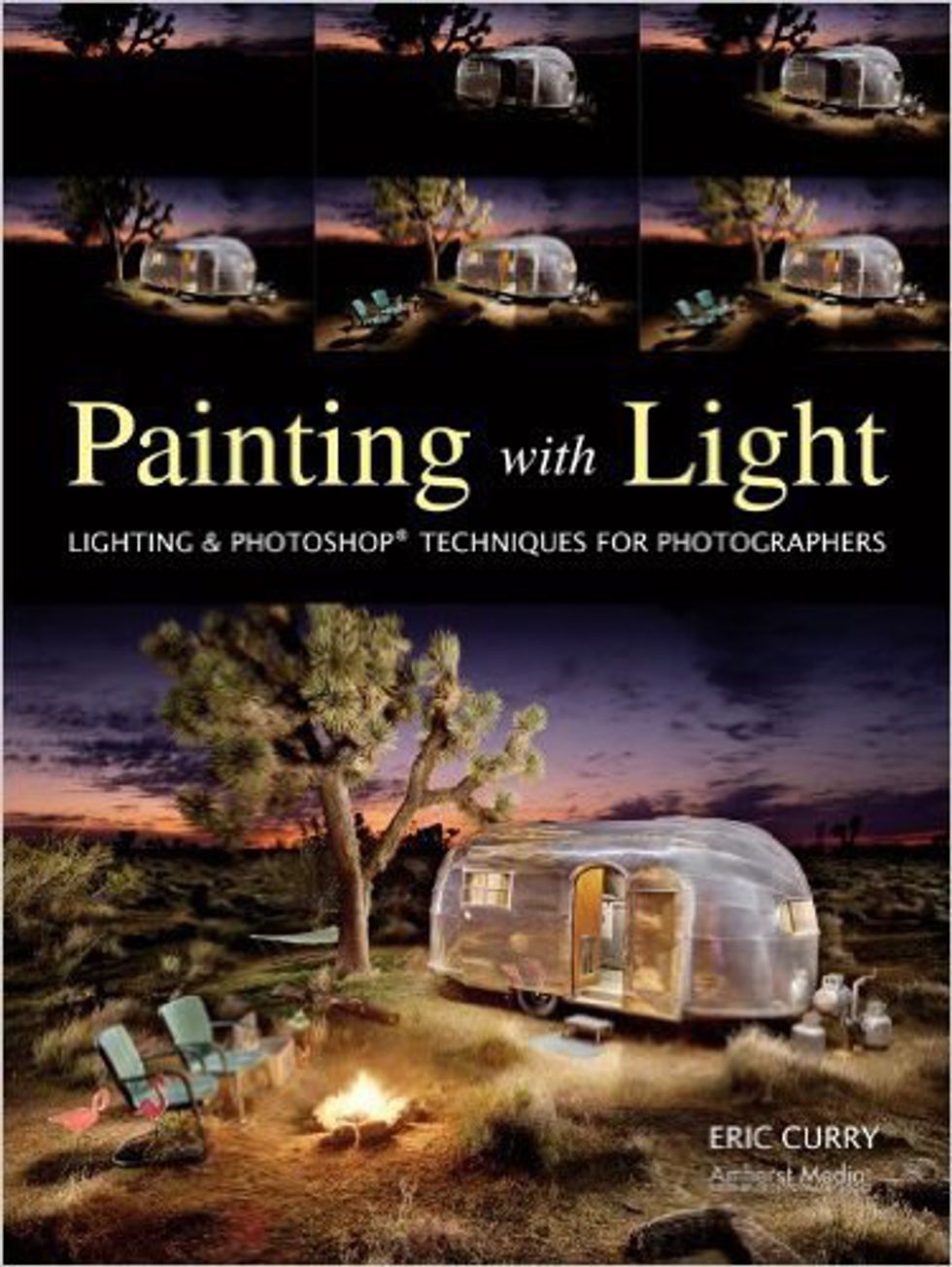
9. Painting with Light by Eric Curry
Amazon.com
For the photographer, Painting with Light uses approaches in using digital software to enhance photographs under different lighting conditions
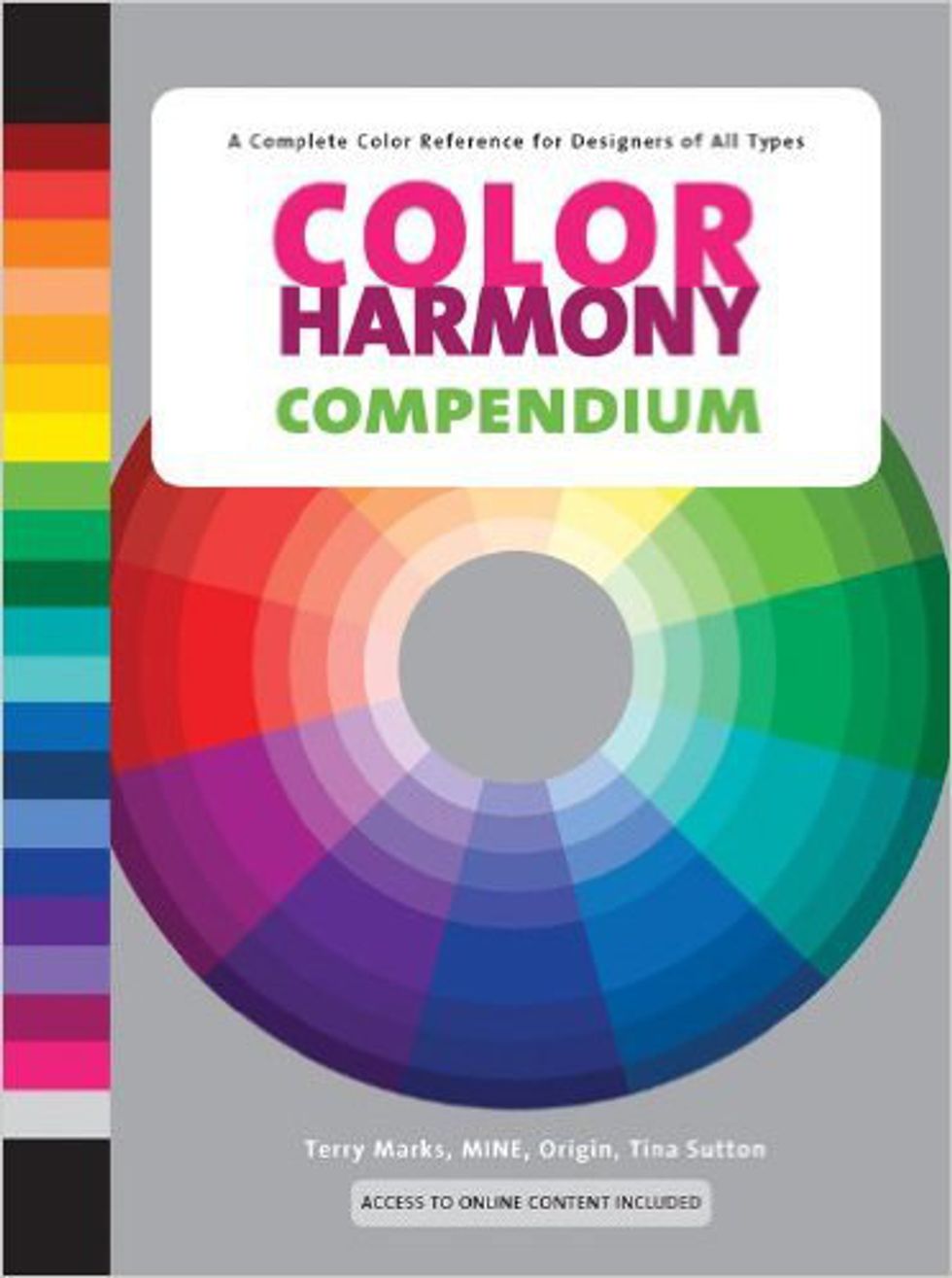
10. Color Harmony Compendium by Terry Marks & MINE
Amazon.com
Color Harmony Compendium displays the relationship between the primary, secondary, and territory colors of the color wheel. This book is resourceful for the graphic designer, however this can apply to many different art forms to be used with.
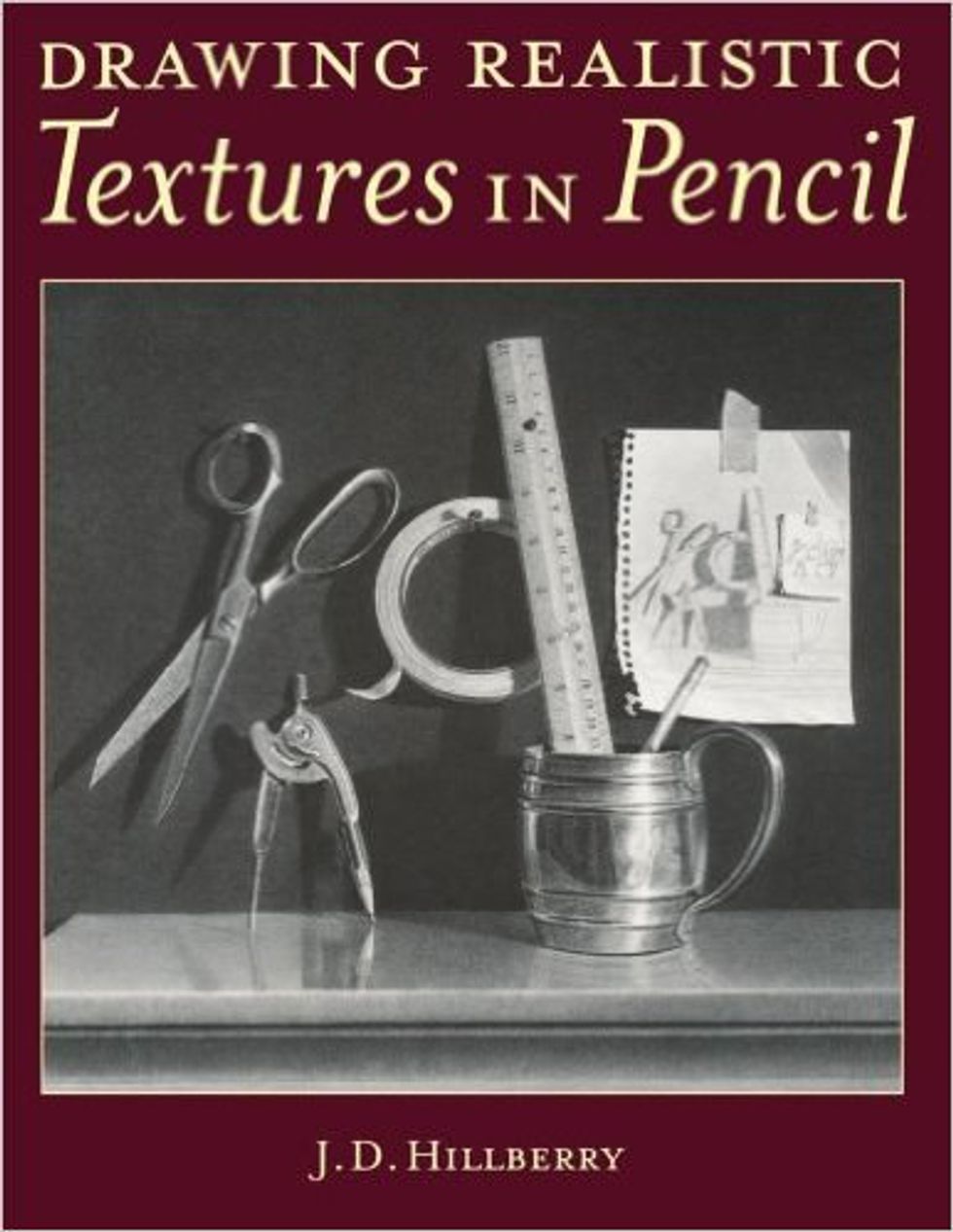
11. Drawing Realistic Textures in Pencil by J.D. Hill berry
Amazon.com
Conveying detail in a visual image is one of the most important ways of adding realism to your work. Drawing realistic textures in pencil informs the artist on how to replicate textures found in cloth, metal, wood and much more.















