
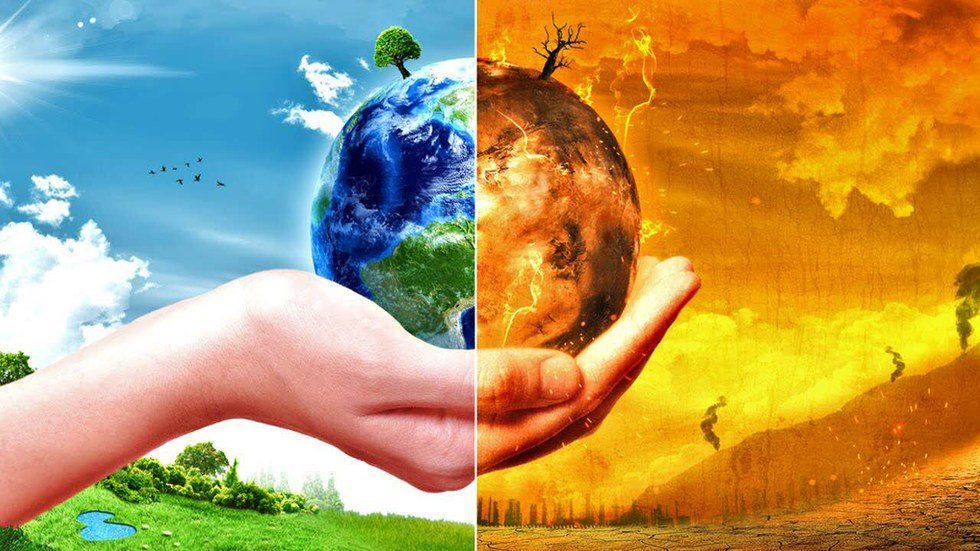
In light of the recent Thanksgiving holiday, I decided to write about something I’m incredibly thankful for. However, when I got to thinking about the many items on my list of gratitude, one thing stuck out: the planet. I am thankful for Earth and all of its creatures, biomes, cultures, and landscapes. This planet is a fascinating and beautiful place to call home. But, many of us don’t really show our appreciation, do we? We have been given one planet, a diverse place to call home, and we are not at all doing our jobs to protect it.
This article isn’t a list of things you can do in order to save the planet or even to just reduce your carbon footprint, unfortunately, I am not naive enough to think that would work. (But if interested there are tons of articles on how to make simple changes to reduce your footprint, here’s a great one http://cotap.org/reduce-carbon-footprint/) My goal is simply to share the questions I have about why we as people have created cultures and societies that have promoted the destruction of our planet, and more importantly perhaps, why we refuse to care. Many scientists, ethicists, and other experts have called this issue the most important of our time, so why don’t people care about climate change? Why are there still people who deny climate change is real, and that humans are responsible for the damage?
Another important question I have thought about is: who should care about climate the most? Scientists, professionals in the humanities, and the government, of course, should be the major forces behind analyzing the changing environment and making steps to prolong our time here on Earth. However, what about the average citizen? Is there anyone, other than the environmentalists, who should care about climate change more than others?
Yes, there are. To put things quite simply, the Earth is going to become inhabitable for humans long before the Earth itself is destroyed. So, humanists should care about climate change. Those who think humans are at the center of existence (in ethics we call this belief anthropocentric) should care, because even if all the animals and plants die off first, humans will still make their exit before the planet, so there’s obvious cause for concern here. People who have or want to have kids should care about climate change. If you have children or grandchildren, I will assume that you hope they have lives worth living, that they get to laugh and grow and experience the world around them. Well, a few generations down the line the world around them is going to look less like playgrounds and more like fires, floods, and inevitable death. So, if you have kids, you should care about climate change.
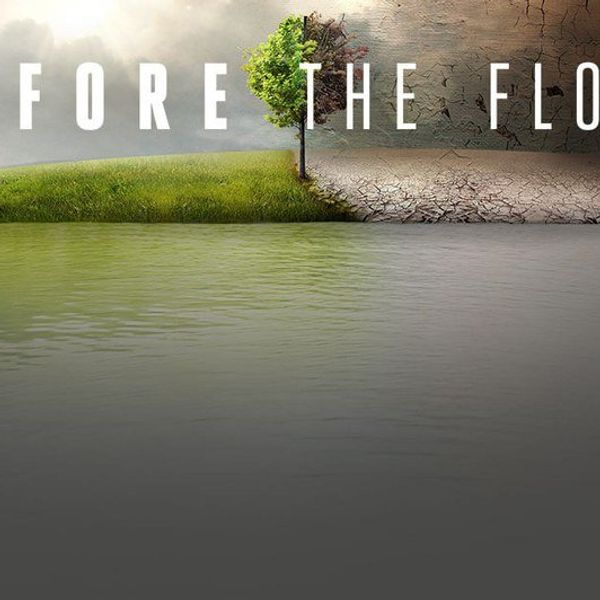
As depressing as it is to think about, it really is necessary that we all start thinking about this issue, and further, doing as much as we can to mitigate the harm we cause. There are people who still deny climate change is real --which is a topic for another day-- but if you can trust scientists that gravity is real, you can trust scientists that climate change is real. The internet is a useful tool, of course, use reputable sources and cross-check to ensure there is a consensus on so-called “facts.” I also recommend checking out films like Merchants of Doubt, which analyzes the roots of climate change deniers and the business behind it, as well as Before the Flood, a recent documentary featuring Leonardo DiCaprio who travels the world talking to experts in the field and experienced first hand the effects that climate change is having on our planet. The research is available, so to deny that this is real any longer would be irresponsible at best.
So, in thinking about the importance of individual responsibility, I have decided to pledge my week to the environment. In order to show my gratitude, I will mitigate my harms as much as possible, which will consist of things like walking rather than driving whenever I can, recycling whatever I can, eating consciously, or in other words, eating vegan, and limiting my use of energy as much as possible. After committing myself to this project, I will write about what I found to be the most difficult, the most eye-opening, etc., in next week’s article. Until then, wish me luck!